The episode’s climax centers on Ser Duncan the Tall’s (Peter Claffey) desperate fight in the Trial of Seven at Ashford Meadow.
🚨 HOLY SH*T – The Major Death in A Knight of the Seven Kingdoms Episode 5 Just Changed EVERYTHING in Westeros! 😱💀
You thought the Trial of Seven was brutal? Wait until you see how it ENDS.
Show creator just explained it: “He’s already a dead man, he just doesn’t realize it yet… the most brutal type of death.”
Click the link NOW before spoilers ruin it for you. The Seven Kingdoms will never be the same. 🐉⚔️
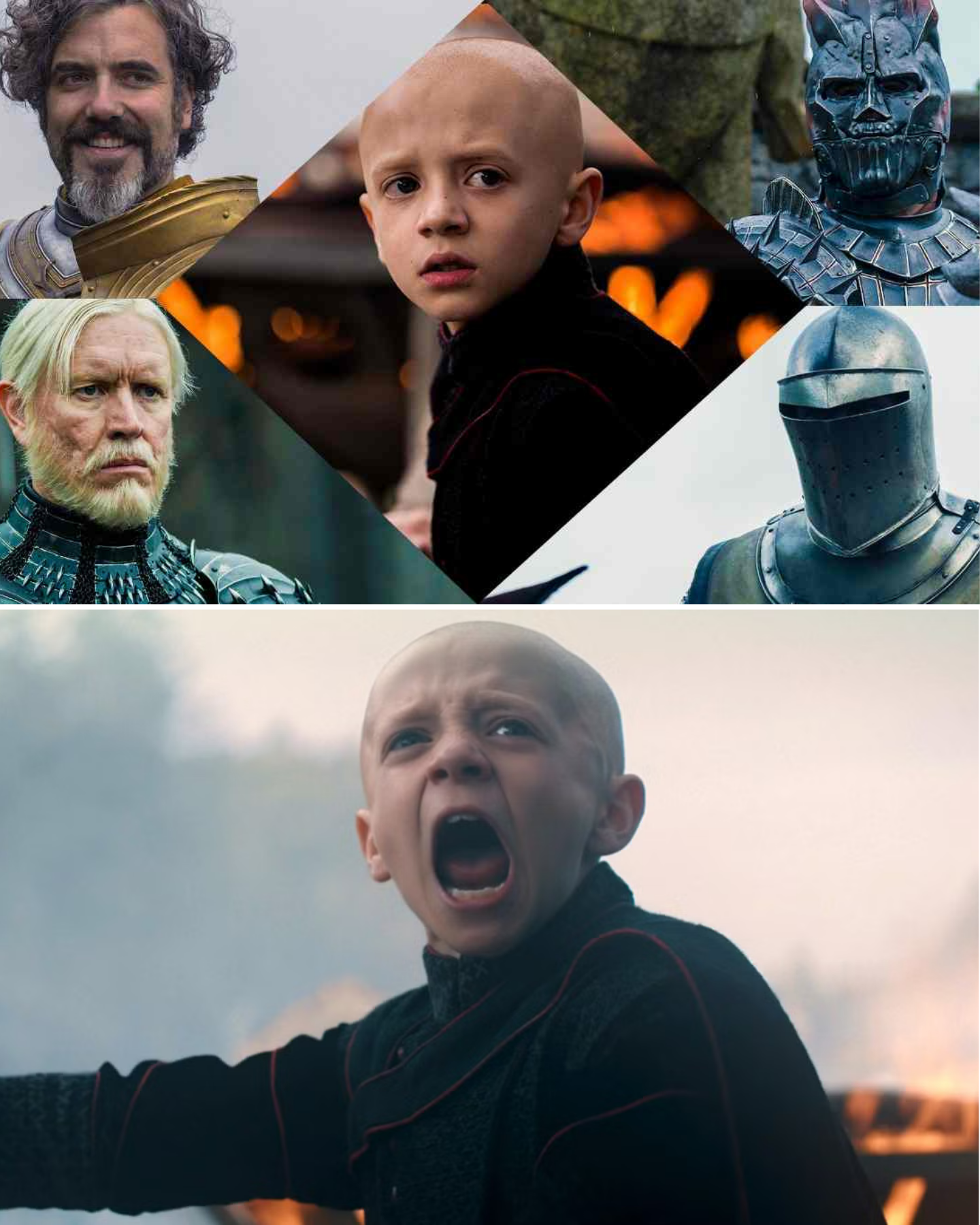
HBO’s A Knight of the Seven Kingdoms delivered one of its most devastating moments yet in Episode 5, “In the Name of the Mother,” with the shocking on-screen death of Prince Baelor Targaryen. The heir to the Iron Throne, portrayed by Bertie Carvel, survived the brutal Trial of Seven only to succumb to a catastrophic head injury moments later—his skull crushed by what appears to be a blow from his own brother, Prince Maekar Targaryen. Showrunner Ira Parker has now opened up about the scene, calling it “the most brutal type of death” and explaining how the tragedy was designed to feel inevitable and heartbreaking.
The episode’s climax centers on Ser Duncan the Tall’s (Peter Claffey) desperate fight in the Trial of Seven at Ashford Meadow. Dunk, defending himself against Prince Aerion Targaryen’s (Finn Bennett) accusations, assembles a ragtag team of champions—including the noble Baelor, who steps in to fight against members of his own family. The battle is chaotic and bloody, with multiple knights falling. Dunk ultimately forces Aerion to yield, securing victory and sparing his life and limb.
But victory comes at a steep price. As Dunk recovers from his wounds, Baelor approaches, offering words of encouragement and expressing a need for “good men” like the hedge knight. Baelor complains of numb fingers and a cracked visor, asking for help removing his helm. When the helmet is taken off, the back of his skull—caved in by a mace blow—comes away with it, exposing the horrific injury. Baelor staggers, turns in confusion, and collapses into Dunk’s arms, dead before he hits the ground.
Parker, speaking to outlets including the New York Post, described the moment’s grim logic: “Basically, the situation that we have with Baelor is that his life is being held together by the fact that he has his helmet on. He’s already a dead man, he just doesn’t realize it yet. And so, when that helmet comes off and he dies right there, man, it’s the most brutal type of death.”
The injury is attributed to Maekar (Sam Spruell), Baelor’s younger brother and father to young Aegon—Egg—who fought on the opposing side. Whether the blow was accidental in the heat of battle or carried darker intent remains a point of speculation among fans, echoing the sibling rivalries that have defined Targaryen history. In George R.R. Martin’s source material, the novellas, Baelor’s death is a known event that reshapes the royal succession: his passing clears the path for Maekar to eventually claim the throne, setting off a chain of events that leads to Aegon V’s (Egg’s) reign and the long-term decline of House Targaryen.
This tragedy mirrors some of the most iconic deaths in the broader Game of Thrones universe. Observers have drawn parallels to Ned Stark’s execution in the original series—both honorable men undone by their commitment to justice in a world that punishes it. Baelor, often called “Breakspear” for his prowess, represented the best of the Targaryens: chivalrous, fair-minded, and dedicated to the realm’s stability. His sudden loss in Episode 5 leaves a void that foreshadows the instability to come.
The episode interweaves the present-day trial with a poignant flashback to Dunk’s childhood in Flea Bottom. Young Dunk witnesses injustice and violence firsthand, including the death of his friend Rafe during a street altercation. These scenes underscore Dunk’s moral code—the same code that draws him into conflicts like the one at Ashford—and explain why he earns the respect of figures like Baelor.
Other casualties during the Trial of Seven include Ser Humfrey Beesbury, slain early in the fray, and Ser Humfrey Hardyng, who succumbs to grievous wounds. The battle itself was filmed with a deliberate Western shootout style, per Parker’s comments in interviews, emphasizing Dunk’s inexperience and the raw, unpredictable nature of medieval combat. The perspective stays largely with Dunk, heightening the tension and disorientation.
Baelor’s death carries massive implications for the larger timeline. In Martin’s books, it contributes to the “Great Spring Sickness” era’s turmoil and influences the events leading to the Blackfyre Rebellions and beyond. For show viewers, it ties directly into prophecies glimpsed earlier—such as Daeron’s dream of a dead dragon falling on Dunk, symbolizing Baelor’s collapse into the hedge knight’s arms.
Actor Bertie Carvel has spoken positively about filming the death scene, describing the act of “pretending to die” as profoundly moving. The moment’s gore—half the skull exposed—was executed with practical effects to maximize impact without veering into gratuitous territory.
As A Knight of the Seven Kingdoms heads into its finale, the fallout from Baelor’s demise looms large. Dunk’s bond with Egg deepens amid grief, and questions swirl about Maekar’s role. Was it a tragic accident in the melee, or did resentment toward his more beloved brother play a part? The show has stayed faithful to Martin’s tone: honor rarely survives unscathed in Westeros.
Parker and the team have emphasized grounding the series in character-driven drama rather than spectacle alone. The Trial of Seven, while action-packed, serves the story’s themes of loyalty, justice, and the cost of chivalry. Baelor’s exit reinforces that even the mightiest can fall in an instant—especially when family turns against family.
Fans have flooded social media with reactions, many calling it one of the franchise’s most shocking deaths in years. The episode’s blend of high-stakes combat, emotional flashbacks, and a game-changing twist has kept A Knight of the Seven Kingdoms among HBO’s most discussed series.
With potential for multiple seasons based on Martin’s additional Dunk and Egg outlines, the ripple effects of Episode 5 could echo for years. For now, Westeros mourns a prince who embodied what the realm could have been—had fate, and perhaps a brother’s mace, not intervened.