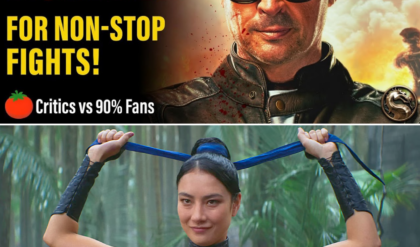
STOP LISTENING TO THE CRITICS! MORTAL KOMBAT 2 IS GETTING “REVIEW BOMBED” FOR THE DUMBEST REASON EVER! 🤮🥊
The war has officially begun, and it’s not just in Outworld—it’s on Rotten Tomatoes. Critics are calling it a “tacky migraine,” but the fans are screaming “Flawless Victory.”
Why are professional reviewers actually mad that a Mortal Kombat movie has… too much fighting? There is a bizarre “allergy” in Hollywood right now to anything made “For the Fans,” and the reasons they’re giving will make your blood boil. What is the “hidden agenda” behind the low critic scores, and why is the 90% audience score the only number that matters for the future of the franchise?
If you want Shakespeare, go to a theater. If you want “Toasty!” catchphrases and non-stop fatalities, you need to see this now.
Find out why the “Critics vs. Fans” divide is reaching a breaking point here:👇
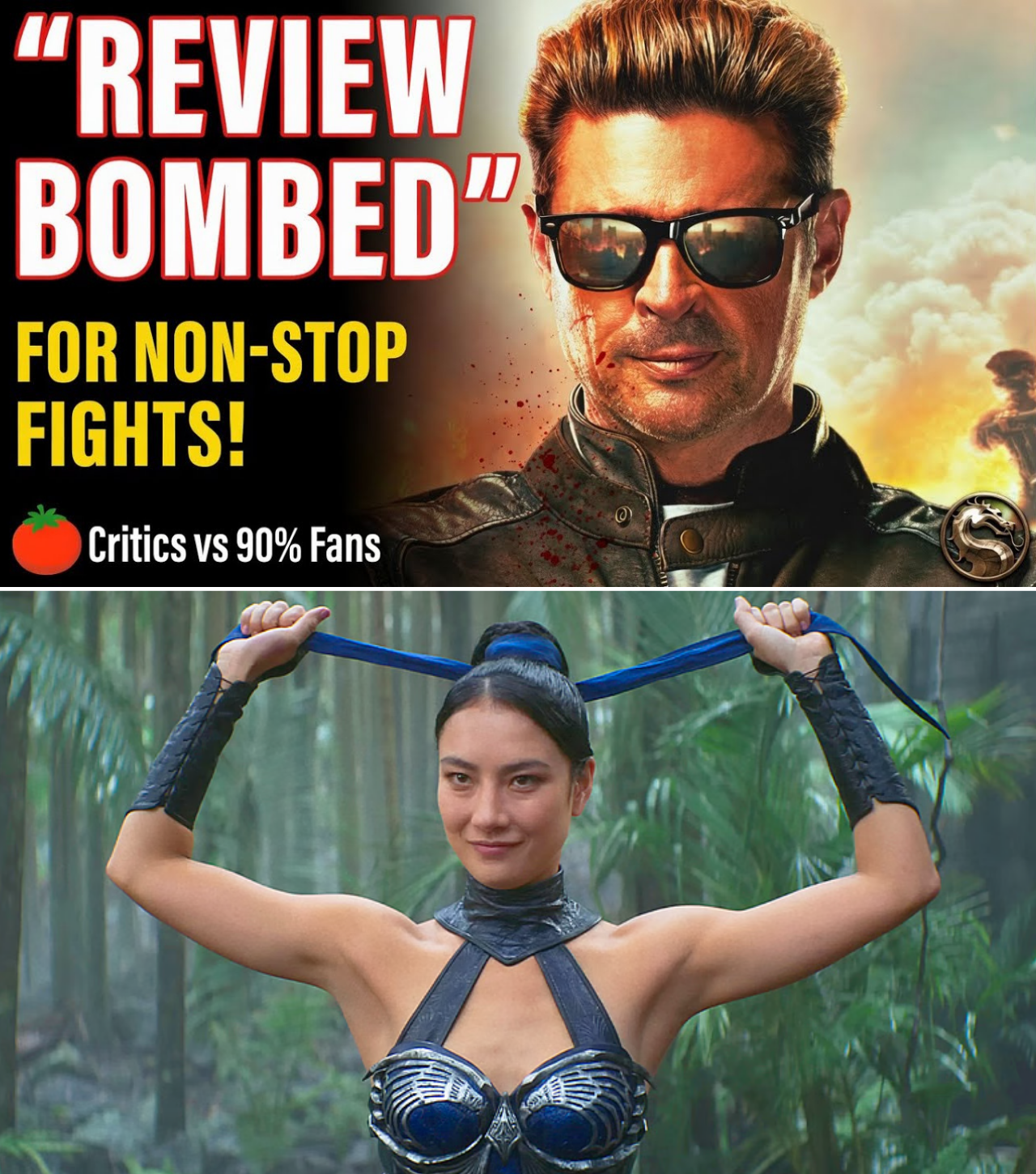
History is repeating itself. In a scenario strikingly similar to the release of The Super Mario Bros. Movie, Warner Bros.’ Mortal Kombat 2 has ignited a fierce ideological battle between professional film critics and the hardcore gaming community. At the center of the controversy is a critique so surreal it has become a meme within hours: the movie apparently has “too much fighting.”
As of May 9, 2026, the film holds a starkly divided rating on Rotten Tomatoes: a lukewarm 68% from critics contrasted against a blistering 90% audience score.
“A Migraine of Non-Stop Fights”
The mainstream media’s assault on the sequel has been led by heavy hitters. The New York Post famously described the film as a “migraine of non-stop fights and idiot characters,” while The Hollywood Reporter dismissed it as a “tacky sequel strictly for the fans.”
The core of the critics’ grievance appears to be the film’s unapologetic embrace of its source material. Reviewers from outlets like Disgusting Film argue that the sequel chooses “fan service over satisfying action,” claiming the movie hides behind “sloppy CGI blood” and “empty characters” to pander to game devotees.
However, for the Mortal Kombat community, these “negative” traits are exactly what they paid for. “I’m not looking for Shakespeare,” noted one prominent YouTube commentator, YellowFlash 2. “I’m looking for people to fight and get killed brutally. That’s what Mortal Kombat has always been.”
The “For the Fans” Allergy
The divide has sparked a broader conversation about “gatekeeping” in Hollywood criticism. On platforms like X (formerly Twitter) and Reddit, fans are accusing professional critics of having a literal “allergy” to movies designed to please a specific, built-in audience.
Critics like Grace Randolph have historically faced backlash for finding fan-centric movies “inaccessible,” but for the Mortal Kombat faithful, the sequel’s heavy use of game lore, iconic catchphrases, and 1-to-1 fatality recreations is a feature, not a bug. The presence of Karl Urban as Johnny Cage has been a particular highlight, with even negative reviews admitting his performance captures the “cheesy, arrogant charm” required for the role.
The Box Office Doesn’t Lie
Despite the critical “review bombing,” the financial reality tells a different story. Mortal Kombat 2 is currently tracking toward an impressive $80 million worldwide opening weekend. With a relatively modest production budget of $68 million to $80 million, the film is on a fast track to profitability.
Industry analysts suggest that the “fan-first” model—pioneered by films like Mario and Five Nights at Freddy’s—is proving to be a more stable winning formula than chasing broad “general audience” appeal. HBO Max (now Max) data also supports this, noting that the 2021 Mortal Kombat remains one of their most-watched titles of all time, largely due to repeat viewings from the core fanbase.
Technical Prowess or Cheap Pandering?
While critics pan the “messy” CGI, fans are praising the technical choreography of the fight scenes. The “Deadpool” acid pit sequence and the final Edenian showdown are being hailed as some of the best martial arts work in recent blockbuster history.
“The games never had deep storytelling,” argues the pro-fan camp. “You play for the combos and the violence. The movie delivers exactly that.”
Conclusion: Who Is the Movie For?
The Mortal Kombat 2 controversy raises a fundamental question about the role of the modern critic. Should a movie be judged on its ability to appeal to everyone, or on how well it fulfills its promise to its target demographic?
As the audience score continues to climb and the box office numbers roll in, it appears the fans have already delivered their verdict. For them, Mortal Kombat 2 isn’t a “migraine”—it’s a long-overdue “Flawless Victory” that treats the source material with the bloody respect it deserves.
News
Mortal Kombat 2’s ‘Genius’ Gamble: Why the Brutal Erasure of Cole Young Saved the Franchise
THEY ACTUALLY DID IT! MORTAL KOMBAT 2 JUST FIXED THE FRANCHISE’S BIGGEST MISTAKE IN THE MOST BRUTAL WAY POSSIBLE! 🔨🩸 Is this the most “disrespectful” yet genius sequel writing in history? The fans asked for it, and the director delivered…
Mortal Kombat 2 Ending Explained: Why [SPOILER] Had to Die and How the Netherrealm Sets Up a Bloody Trilogy
COLE YOUNG IS DEAD? THE MORTAL KOMBAT 2 ENDING JUST CHANGED EVERYTHING! 😱🩸 The tournament is over, but the bloodbath has only just begun. If you thought you knew who was safe, you weren’t prepared for that final massacre in…
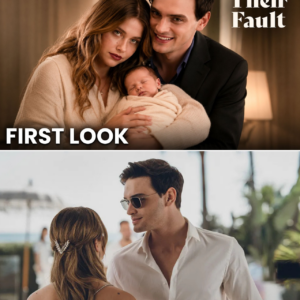
BEYOND THE TRILOGY: Inside the Secret Production of ‘Their Fault’ and the Return of Nick & Noah
THEY’RE BACK: NICK & NOAH JUST BROKE THE INTERNET! 🚨🔥 The cycle of blame isn’t over—it’s just getting started. 😱 The first official trailer for Their Fault (Culpa Suya) just dropped, and it’s darker, steamier, and more toxic than we…
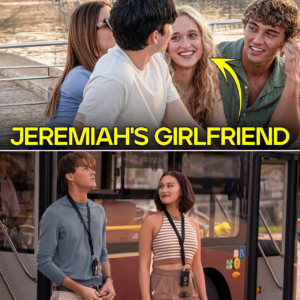
BEYOND THE TRIANGLE: Leaked Scenes and ‘Bonrad’ Wedding Details Reveal a New Era for ‘The Summer I Turned Pretty’ Movie
IS THE LOVE TRIANGLE FINALLY OVER?! THE BONRAD WEDDING IS HAPPENING! 💍🏖️ Hold onto your hearts, Team Conrad! 😱 The first major leaks for The Summer I Turned Pretty movie just hit the internet, and it’s officially the end of…
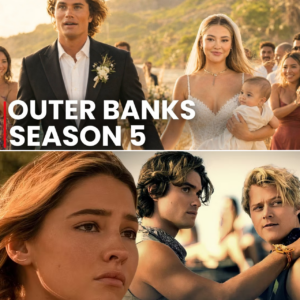
POGUES IN PORTUGAL: Everything We Know About the ‘Outer Banks’ Season 5 Finale and the Revenge for JJ Maybank
THE FINAL RIDE: JJ IS GONE, AND THE POGUES WANT BLOOD! 🌊💀 The Pogue for Life (P4L) era is coming to a devastating end! 😱 Netflix has finally pulled back the curtain on Outer Banks Season 5, and it’s not…
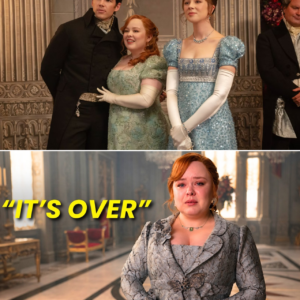
THE TON IN TURMOIL: Nicola Coughlan Confirms Reduced Role as ‘Bridgerton’ Season 5 Cast Shake-Up Begins
🚨 THE END OF AN ERA: IS PENELOPE LEAVING BRIDGERTON?! 🚨🐝 The ton is in absolute shambles! 😱 Rumors are flying that our beloved Nicola Coughlan (Penelope Featherington) might be saying her final goodbyes sooner than we thought. Fans noticed…
End of content
No more pages to load