Stranger Things Season 5 Faces Growing Criticism That Vecna Has Become the Weakest Link in the Franchise’s Final Chapter
🚨 It’s Official: Fans Are Turning on Vecna HARD in Stranger Things Season 5 – Calling Him the Absolute WORST Part of the Entire Finale Run… 😱🤡
He was supposed to be the ultimate terrifying Big Bad – cursing victims, snapping bones, ending the world…
But now everyone’s screaming: “Boring monologues!” “Generic evil guy!” “Ruined the mystery – where’s the real cosmic horror?!”
The complaints are exploding: Vecna feels overused, underwhelming, and straight-up disappointing after all the buildup…
Is this villain flop quietly killing the epic ending we waited years for?
The truth is brutal – and it’s got the fandom completely divided…
Read more:
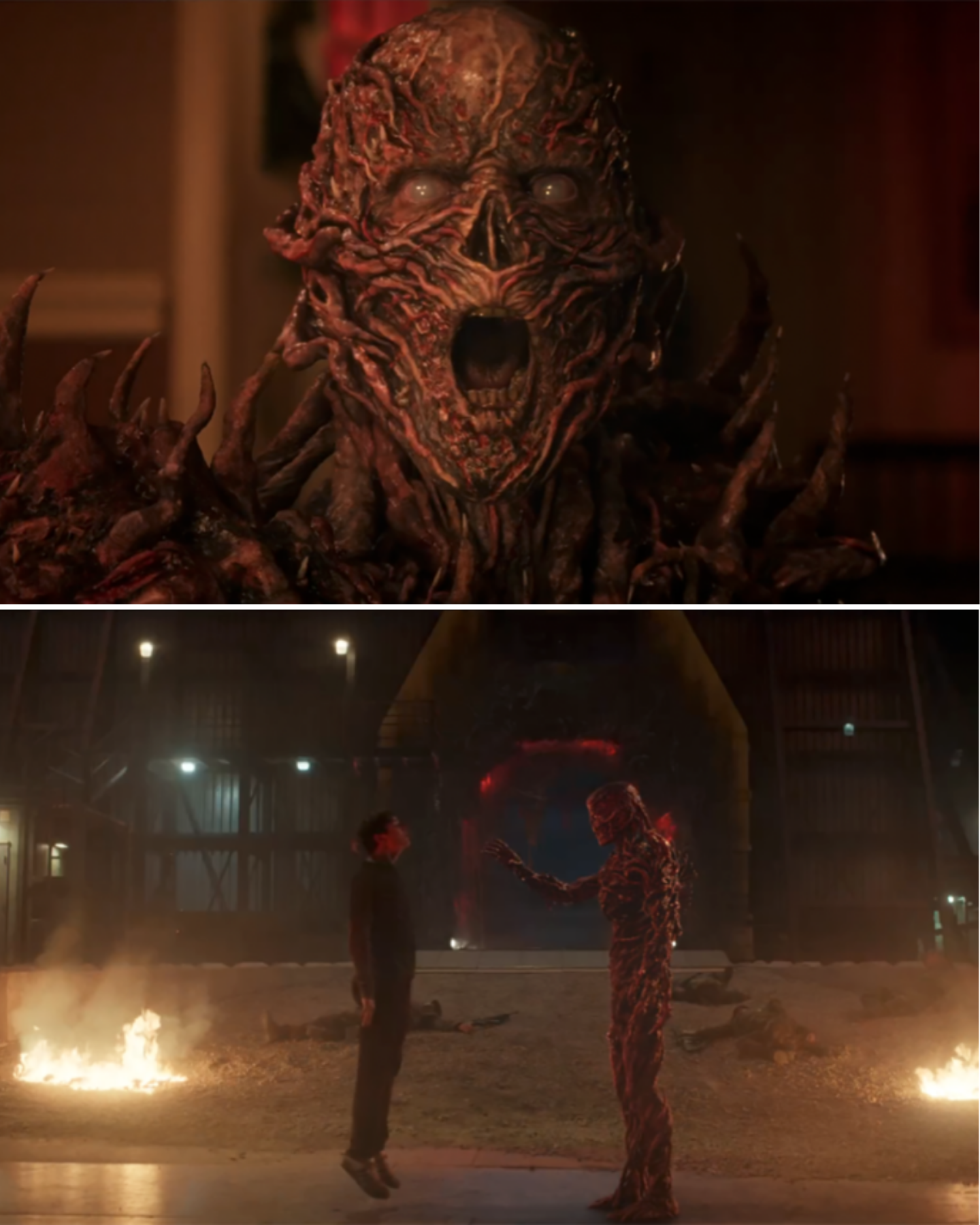
With the series finale of Stranger Things streaming tonight on New Year’s Eve 2025, the show’s ultimate antagonist, Vecna, has unexpectedly emerged as a focal point of fan discontent. What began as isolated complaints after Volume 1 has snowballed into widespread accusations that the character – once hailed as a terrifying highlight of Season 4 – now feels overexposed, underwhelming, and detrimental to the overall story.
Introduced in Season 4 as Henry Creel/One (Jamie Campbell Bower), Vecna quickly became a standout villain, blending psychological horror with visceral kills. His curses, floating victims, and bone-snapping executions drew comparisons to classic slasher icons like Freddy Krueger. Critics and fans alike praised the human element: a former Hawkins Lab subject turned dimensional conqueror, with motivations rooted in hatred for humanity’s conformity.
Yet in Season 5, released in phases – Volume 1 on November 26, Volume 2 on Christmas Day, and the super-sized finale “The Rightside Up” tonight – Vecna’s expanded role has drawn fire. Online forums and social media brim with sentiments that the character has been “ruined” by retcons, repetitive threats, and a shift away from the impersonal cosmic horror of earlier threats like the Mind Flayer and Demogorgon.
A key grievance: Vecna’s late introduction and retroactive centrality. Revelations tying him to the Upside Down’s origins – reframed as a wormhole to the even darker Abyss dimension – have led some to argue the show has overwritten its Lovecraftian mystery. “Everything boils down to one guy,” one common complaint reads, diminishing the unknowable dread of Seasons 1-3. Stage play Stranger Things: The First Shadow provided additional backstory, but not all viewers have access, fueling frustration over essential lore locked behind theater walls.
Visual and performance critiques abound too. While Bower’s portrayal earned acclaim initially, Season 5’s heavier CGI integration for Vecna’s form has been called “Marvel-like” or “Resident Evil tyrant,” stripping away practical effects’ grit. Monologues explaining plans – merging dimensions via kidnapped child “vessels” – feel expository and generic to detractors, lacking the subtle menace of prior seasons.
Pacing issues exacerbate the problem. With episodes running movie-length, Vecna’s scenes often involve prolonged taunts or mind-palace sequences, which some view as stalling amid the ensemble’s sprawl. His plan, teased since Season 4’s gate openings scarring Hawkins, reportedly culminates tonight in a séance-like ritual with brainwashed kids, including Holly Wheeler. Yet buildup has left viewers feeling the threat is repetitive rather than escalating.
Not all feedback is negative. Defenders praise Vecna’s evolution into a more personal foe, allowing emotional confrontations – particularly with Eleven (Millie Bobby Brown) and Will (Noah Schnapp). Revelations about power origins (Vecna’s blood granting abilities) and Dimension X ties enrich lore for many. Bower’s nuanced shifts between human Henry and monstrous Vecna have earned praise in select scenes.
The discourse intersects with broader Season 5 backlash, including review-bombing over character moments and perceived writing dips. IMDb ratings for episodes featuring heavy Vecna focus hover lower than series averages, though viewership remains massive – Netflix touting record hours and theatrical finale screenings.
The Duffer Brothers have addressed villain choices in interviews, noting Vecna provided a “voice” for the evil, contrasting the silent Mind Flayer. They teased finale payoffs resolving ambiguities, like Vecna’s full motivations beyond world-merging and his dynamic with ancient entities.
Industry parallels exist: late-series villains often polarize when humanizing impersonal horrors (e.g., Palpatine’s returns in Star Wars). Stranger Things risks similar fate, with some arguing Vecna’s arc mirrors over-reliance on one antagonist, sidelining group dynamics that defined early success.
Tonight’s finale – over two hours, promising sacrifices, Abyss battles, and closures – holds potential to redeem perceptions. Trailers show Eleven’s powered-up confrontation, group assaults, and dimensional chaos. Whether spectacle and resolutions elevate Vecna or cement criticisms remains the night’s biggest question.
The series revolutionized TV with ’80s nostalgia, heartfelt friendships, and escalating threats. Its legacy – spin-offs, merchandise, cultural revivals – is assured. But Vecna’s reception underscores ending challenges: balancing ambition with roots.
As fans tune in for Hawkins’ fate, one debate rages: masterstroke or misstep? Vecna may not curse viewers, but he’s certainly haunted the conversation.