🔥 Hollywood’s under FIRE!?
Activists are raging. They say the silver screen isn’t shining bright enough for everyone.
What’s really going on behind the scenes?
Something’s missing… and it’s sparking a movement.
👉 Tap to uncover the truth!
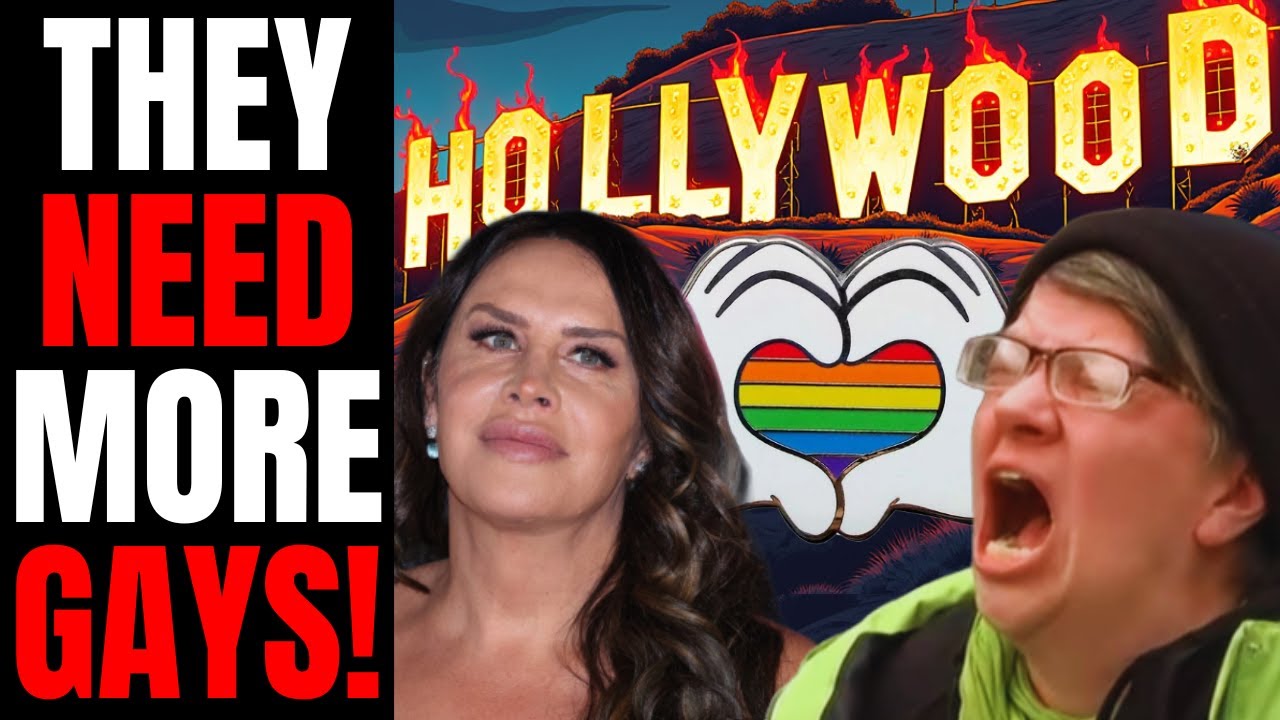
In recent years, Hollywood has faced mounting pressure to reflect the diversity of its global audience. From race to gender to sexual orientation, advocacy groups like GLAAD have pushed for authentic representation, arguing that media shapes culture and inclusion is a moral and economic imperative. However, a wave of backlash has emerged, with activists claiming Hollywood is backsliding on its promises. Reports, such as GLAAD’s 2024 Studio Responsibility Index, reveal a decline in LGBTQ+ characters in major films and TV shows, sparking outrage among advocates who feel the industry is prioritizing profit over progress. This article explores the state of queer representation in Hollywood, the reasons behind the decline, the broader cultural implications, and whether the industry can balance creative freedom with societal demands.
The Current Landscape
GLAAD’s 2024 report paints a sobering picture: only 28.6% of major studio films in 2023 featured LGBTQ+ characters, down from 30.1% in 2022. On television, the numbers are starker, with 36% of queer characters not returning for the next season. This decline comes after years of progress, where shows like Pose and films like Moonlight were celebrated for centering marginalized voices. Activists argue this regression reflects a deliberate choice by studios to cater to conservative audiences or avoid polarizing content in a fragmented market.
Yet, the issue isn’t just numbers. Quality matters too. Many LGBTQ+ characters in recent media are relegated to background roles or stereotypes, lacking the depth of earlier trailblazers. For example, while Marvel’s Eternals (2021) featured a gay superhero, critics noted the character’s limited screen time. GLAAD has also called for 50% of queer characters to be people of color, highlighting intersectional gaps. The data suggests Hollywood is struggling to meet these expectations, but why?
Why the Decline?
Several factors contribute to the reduction in queer representation. First, economic pressures play a significant role. The film industry is recovering from pandemic-related losses and facing competition from streaming platforms. Studios are increasingly risk-averse, favoring franchises and reboots over original stories that might include diverse characters. A studio executive, speaking anonymously, told Variety that “controversial” content—often code for diverse narratives—can alienate certain markets, especially in countries with conservative censorship laws.
Second, there’s the “woke backlash” phenomenon. Some audiences and commentators, particularly on platforms like X, argue that Hollywood’s focus on diversity feels forced or pandering. This sentiment has fueled a counter-movement, with studios caught in the crossfire. For instance, Disney’s inclusion of queer characters in Lightyear (2022) sparked boycotts from some groups, while others criticized the representation as tokenistic. Studios, wary of losing any audience segment, may be dialing back to avoid controversy.
Third, creative fatigue could be at play. Writers and producers, under pressure to meet diversity quotas, may struggle to craft authentic stories without falling into clichés. This is compounded by a lack of diverse voices in writers’ rooms and executive suites. Despite initiatives to hire more LGBTQ+ creators, progress is slow. A 2023 USC Annenberg study found that only 2.4% of top-grossing film directors identified as LGBTQ+, limiting the pipeline for authentic storytelling.
The Cultural Stakes
Representation in media isn’t just about visibility—it’s about power. For marginalized communities, seeing themselves on screen validates their existence and shapes public perception. Studies, like one from the Williams Institute (2021), show that positive media portrayals of LGBTQ+ individuals correlate with reduced prejudice and increased acceptance. Conversely, erasure or negative stereotypes can reinforce harm. When Hollywood reduces queer representation, it sends a signal that these stories are less valuable, potentially emboldening discriminatory attitudes.
The backlash from activists is thus understandable. On X, sentiments range from frustration to fury, with users accusing Hollywood of betraying its progressive promises. GLAAD’s demands for increased representation, particularly for queer people of color, reflect a broader push for equity in an industry historically dominated by white, heterosexual narratives. Yet, the intensity of these demands has sparked debate. Some argue that mandating specific quotas risks stifling creativity, while others see it as a necessary corrective to decades of exclusion.
The Other Side: Creative Freedom vs. Responsibility
Not everyone agrees that Hollywood is failing. Some industry insiders argue that the focus on representation can feel like a checklist, undermining artistic integrity. A prominent screenwriter, quoted in The Hollywood Reporter, lamented that studios often demand diverse characters without investing in the storytelling to support them. This can lead to hollow representation—characters included to appease critics rather than to serve the narrative.
There’s also the question of audience demand. While urban and younger demographics embrace diverse content, broader audiences may not prioritize it. Box office data shows mixed results: films like Bros (2022), a gay romantic comedy, underperformed despite critical praise, while others, like Everything Everywhere All At Once (2022), succeeded with diverse casts. This inconsistency makes studios hesitant to take risks.
On X, some users mock the activist outcry, suggesting that Hollywood is simply responding to market realities. They argue that forcing inclusivity ignores the preferences of the majority. However, this view overlooks the growing diversity of global audiences. By 2030, Gen Z and Millennials—both more accepting of queer identities—will dominate media consumption, suggesting that inclusivity isn’t just ethical but profitable.
Can Hollywood Find Balance?
The path forward requires compromise. Studios must invest in diverse creators who can tell authentic stories without being constrained by rigid mandates. Training programs, like those from Sundance and Outfest, are already nurturing LGBTQ+ filmmakers, but scaling these efforts is crucial. Additionally, studios could leverage streaming platforms, where niche content can thrive without the pressure of theatrical releases.
Audiences also have a role. Supporting diverse films—through ticket sales, streaming views, or social media buzz—sends a signal to studios. Grassroots campaigns, like those that boosted Moonlight to Oscar glory, show the power of collective action. Meanwhile, activists could focus on constructive dialogue, praising studios that get it right while holding others accountable.
Finally, Hollywood must rethink its global strategy. While international markets pose challenges, creative solutions—like tailored edits or region-specific marketing—can preserve inclusivity without sacrificing revenue. Netflix’s success with localized queer content, such as Heartstopper, offers a model.
Conclusion
Hollywood’s representation crisis reflects deeper tensions between art, commerce, and social change. The decline in LGBTQ+ characters is a setback, but it’s also an opportunity for the industry to reassess its priorities. By amplifying diverse voices, balancing creative freedom with responsibility, and responding to evolving audiences, Hollywood can reclaim its role as a cultural leader. Activists, creators, and viewers must work together to ensure that the stories on screen reflect the world we live in—not just for the sake of representation, but for the sake of a richer, more inclusive narrative landscape.
The outrage on X and beyond is a wake-up call. Hollywood has the talent and resources to meet this moment—it just needs the courage to act. As the industry navigates these choppy waters, one thing is clear: representation isn’t a trend; it’s a responsibility that can’t be ignored
News
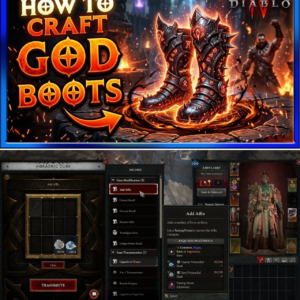
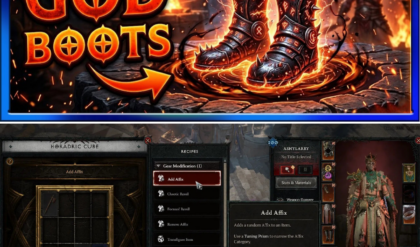
The Architecture of Perfection: Mastering the Horadric Cube for Endgame Footwear
STOP WASTING GOLD! The 100% Guaranteed “Godly Boots” Crafting Method! 👟💎 Tired of bricking your best gear at the Occultist? The Horadric Cube has officially changed the game. Forget “RNG” – players have perfected a step-by-step crafting loop to create…
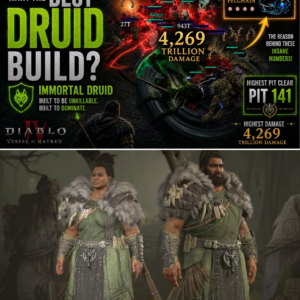
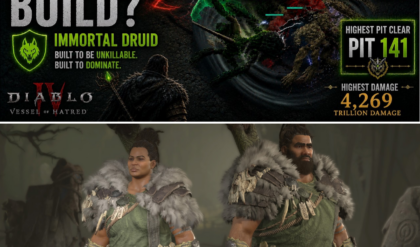
The 4,269 Trillion Damage Threshold: How the “Top Ladder” Druid is Redefining Season 13
4,269 TRILLION DAMAGE: The Druid Build That Broke the Leaderboards! 🤯🔥 Forget everything you know about “Meta” Druid builds. A new setup has officially shattered the damage ceiling, hitting an absurd 4.269 Trillion damage per hit! This isn’t just a…
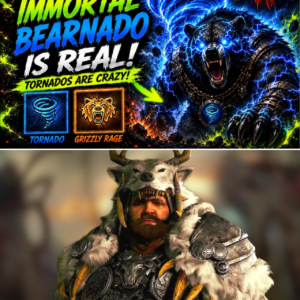
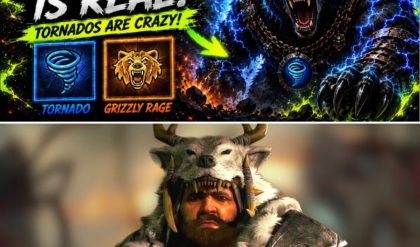
Hurricane of the Ursine: Decoding the Bearnado Build’s Rise to Pit 125+
THE “BEARNADO” IS REAL: This Druid Build Just Shredded Pit 125+! 🌪️🐻 Think the Druid was dead in Season 13? Think again. The “Bearnado” build has officially arrived, and it’s arguably the most insane, tanky, and high-damage setup the class…

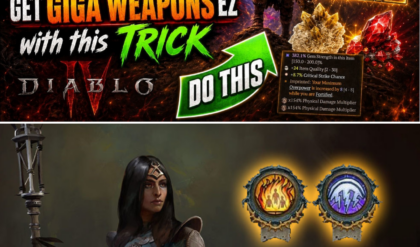
The Scosglen Gold Rush: How “Root Farming” is Resetting the Diablo 4 Economy Byline: Staff Reporter
BROKEN FARMING META: Get Infinite “Giga Weapons” & Materials in Seconds! ⚔️🔥 Stop wasting your time on slow boss grinds. A new “Root Farming” meta has been discovered in Diablo 4: Lord of Hatred that allows you to flood your…
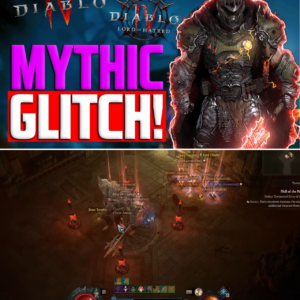
The Infinite Mythic Loop: Anatomy of Season 13’s Most Damaging Exploit Byline: Staff Reporter
BROKEN! Infinite Mythics Are Now Possible—But Hurry! 🚨✨ Stop farming bosses the “intended” way. A new, game-breaking glitch has surfaced in Diablo 4: Lord of Hatred that allows you to farm Mythic Uniques infinitely in a single session. While the…
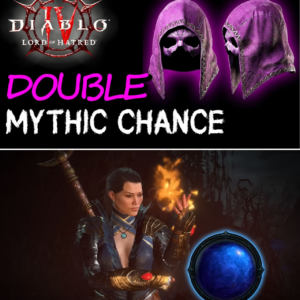
The Loot Doubling Phenomenon: Optimization or Exploitation in Sanctuary? Byline: Staff Reporter
THE “DOUBLE DROP” GLITCH: How Pros are Farming Mythics 2x Faster! 🛡️✨ Forget single boss runs—the endgame meta has officially shifted. Players have cracked the code to forcing double loot drops from Lair Bosses in Diablo 4: Lord of Hatred,…
End of content
No more pages to load