Why ‘A Knight of the Seven Kingdoms’ Finally Plays the Game of Thrones Theme Song in Episode 4, Explained
🚨 CHILLS ALERT: A Knight of the Seven Kingdoms FINALLY Unleashes the FULL Game of Thrones Theme in Episode 4 – And It Hits DIFFERENT! 😱🎶🐉
Is this Dunk’s true “call to greatness”? A signal that this humble story is tied to the larger saga? Or heartbreaking foreshadowing for what’s coming?
Read more:
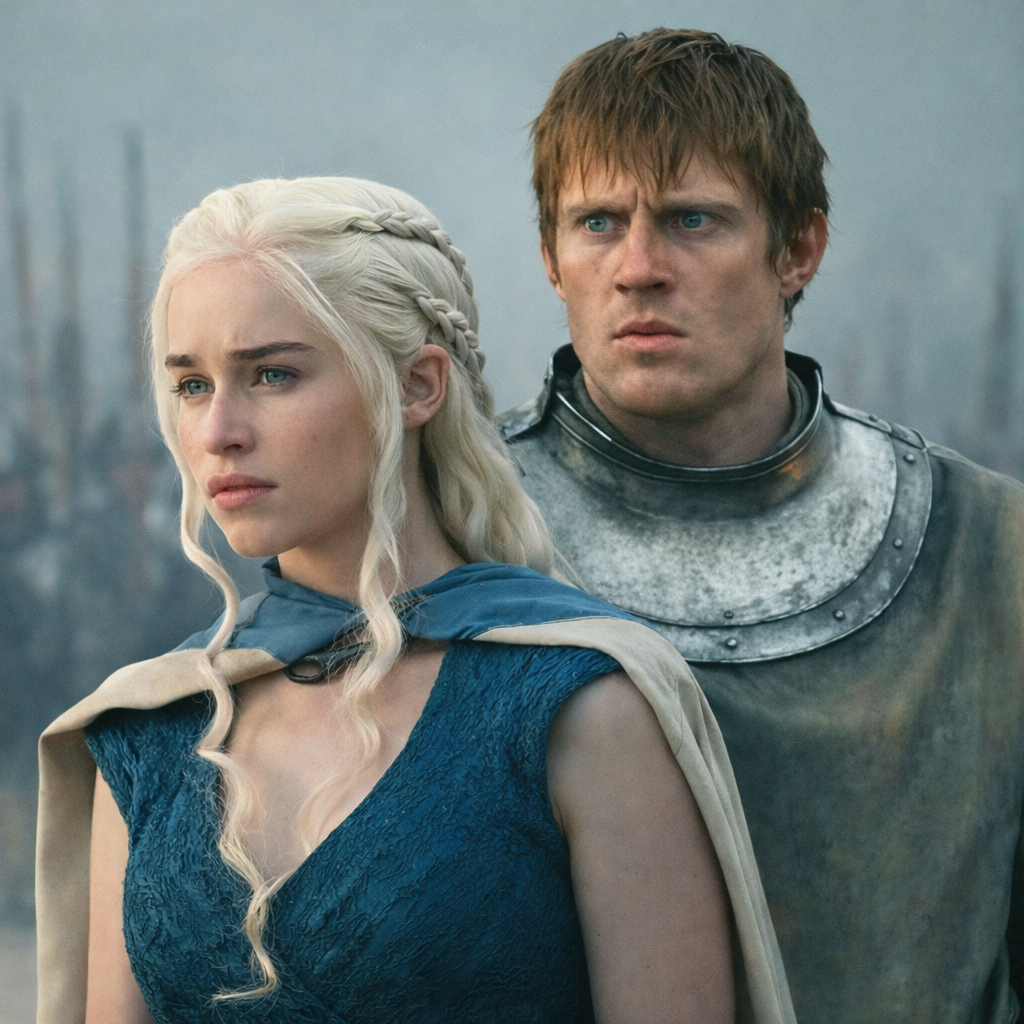
HBO’s “A Knight of the Seven Kingdoms” has carved its own path in the sprawling “Game of Thrones” universe. Set nearly a century before the main series, the show follows the adventures of the lowborn hedge knight Ser Duncan the Tall and his squire Egg – who fans know will one day become King Aegon V. Unlike the grand political machinations of King’s Landing or the dragon-fueled wars of “House of the Dragon,” this prequel leans into smaller stakes, humor, and grounded chivalry. It even starts without a sweeping title sequence or the iconic opening credits theme that defined its predecessors.
That choice paid off in Episode 4, titled “Seven,” with one of the series’ most talked-about moments. As Dunk desperately rallies support for his Trial of Seven – a rare seven-on-seven combat to prove his innocence after clashing with Prince Aerion Targaryen – the episode delivers a payoff fans didn’t see coming: the full, unmistakable “Game of Thrones” theme by composer Ramin Djawadi plays unironically for the first time.
The buildup is classic. Dunk, standing in the rain-soaked arena at Ashford Meadow, shouts to the assembled nobles and smallfolk: “Are there no true knights among you?” The crowd jeers or stays silent. Just as despair sets in, the massive doors open. Prince Baelor Targaryen – heir to the Iron Throne, Hand of the King, and dubbed “Breakspear” for his prowess – rides forward on horseback. Removing his helm, he declares, “I will take Ser Duncan’s side.” Against protests from his brother Maekar and nephews, Baelor commits to fighting alongside the hedge knight, even facing family in battle.
As the words land, Djawadi’s legendary theme swells. It starts subtle, then builds to its full, soaring glory – the same motif that once heralded battles, betrayals, and throne room drama in the original series. This time, there’s no cutaway, no punchline. The music plays out over Baelor’s heroic entrance, Dunk’s stunned expression, and the crowd’s awe, marking a turning point.
Showrunner Ira Parker explained the deliberate restraint in interviews. The series uses a quieter, original score by Dan Romer to reflect Dunk’s humble perspective – a lowborn fighter with modest ambitions. No bombastic intro credits suit the tone. Yet Parker saved the “Game of Thrones” theme for specific “calls to greatness.” In Episode 1, it briefly plays as Dunk imagines heroic deeds, only to be interrupted by him relieving himself – a cheeky signal that this story subverts epic expectations.
By Episode 4, the moment earns its weight. Dunk has faced mockery, prison, and doubt. His plea for champions exposes the hypocrisy of many “true knights.” Baelor’s arrival validates Dunk’s honor, elevates the stakes, and ties the tale to the larger Westerosi saga. As Parker noted, “The reason the song is revisited in episode four is because ‘the call’ is there. This is the moment.” Director Sarah Adina Smith called it “the birth of a true knight,” underscoring how the music signals Dunk’s transition from outsider to figure of destiny.
Fans erupted online. Social media lit up with reactions: goosebumps, tears, and declarations that the episode felt like classic “Game of Thrones.” Some praised the restraint – holding back the theme made its deployment hit harder. Others noted the blend: Romer’s Dunk-and-Egg motif weaves into Djawadi’s classic, symbolizing how a small story intersects with epic history.
The choice also carries narrative weight. In George R.R. Martin’s “The Hedge Knight,” Baelor’s decision foreshadows tragedy. He dies from wounds sustained in the Trial of Seven, crushing hopes for a just Targaryen reign and contributing to future instability. The theme’s triumphant swell hints at this bittersweet arc – heroism comes at a cost.
Production-wise, the sequence stands out. Filmed with sweeping camera work, dramatic rain, and precise timing, it maximizes emotional impact. Bertie Carvel’s portrayal of Baelor – calm, resolute, noble – pairs perfectly with the music’s rise. It’s a rare unironic heroic beat in a show full of ribald humor and grounded realism.
Critics and viewers agree Episode 4 marks a high point. With an IMDb rating climbing into the 9s after airing, it’s hailed as the series’ strongest installment yet. The theme’s use bridges the prequel to its parent show without overshadowing its unique voice.
As the Trial of Seven looms in upcoming episodes, this musical cue raises expectations. Dunk now fights with royal legitimacy on his side, but the gods – and swords – will decide. Whether the theme returns remains unclear, but its Episode 4 appearance cements a pivotal shift: from humble hedge knight tale to something that echoes the grandeur of Westeros’ greatest conflicts.
In a franchise known for surprises, “A Knight of the Seven Kingdoms” proved that sometimes the biggest moments come from holding back – until the exact right second.