The Crone of the Seven: Westeros’ Goddess of Wisdom, Foresight, and Ominous Prophecies
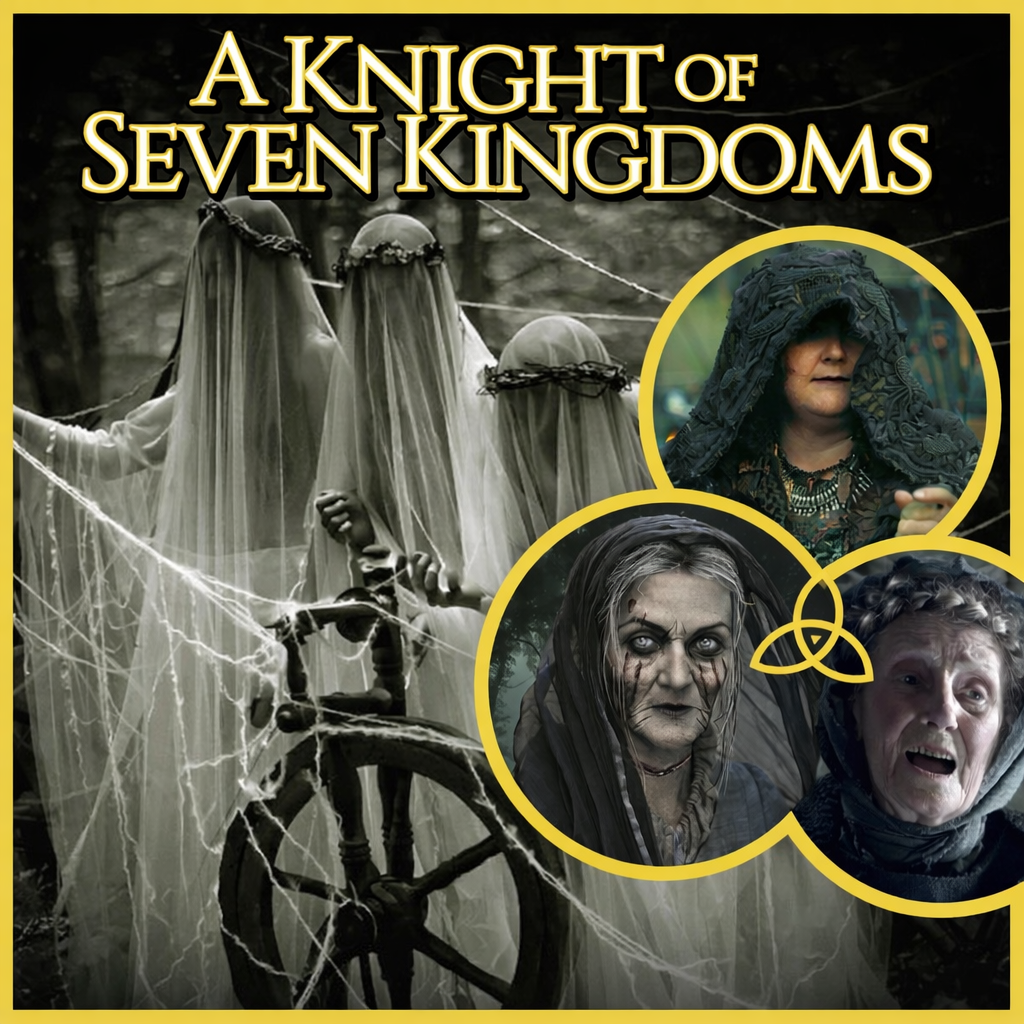
🚨 You think you know the Seven… but what if the Crone has been walking among us ALL ALONG? 😱
From shadowy fortune-tellers whispering doom at royal tourneys… to ancient hags cursing queens with iron crowns and valonqar… to the withered hands that could end dynasties in flame…
She’s not just a statue with a lantern. She’s prophecy incarnate. Wisdom that cuts like a blade. And in the latest twist from A Knight of the Seven Kingdoms, one Crone avatar just dropped a bombshell on young Egg that will HAUNT House Targaryen forever: king… death in hot fire… worms feasting on ashes… and EVERYONE who knows him rejoicing at his end. 🔥💀
Is this the key to Summerhall’s nightmare? Or proof the Crone’s gaze sees the fall of dragons before it even begins?
You won’t sleep after this. Click the link below NOW to uncover the full terrifying explanation of the Crone goddess, her real-world inspirations (Hecate? The Norns?), and every prophecy she’s tied to in ASOIAF. Trust me… the lantern’s light reveals horrors you weren’t ready for. 👀
n the Faith of the Seven, the dominant religion across most of the Seven Kingdoms, worship centers on a single deity with seven distinct aspects. Among them stands the Crone — the elderly figure embodying wisdom, guidance, and the piercing light of truth. While the Warrior inspires knights in battle and the Mother offers mercy to the afflicted, the Crone is called upon when the path ahead grows dark and uncertain. Her statues, common in septs from the Reach to the Crownlands, typically show a hooded old woman clutching a lantern, its flame said to banish ignorance and reveal what lies hidden.
The Crone’s role extends beyond simple prayer. Ancient texts within the Faith, including passages from The Seven-Pointed Star, credit her with pivotal acts of foresight. One legend claims the Crone peered through the door of death itself and released the first raven into the world, forever linking her to omens carried on black wings. Another foretold that a girl presented by the Maiden would bear the legendary king Hugor of the Hill four-and-forty mighty sons, shaping the mythic foundations of Andal heritage.
Yet the Crone’s influence feels most potent — and unsettling — through prophecy. In George R.R. Martin’s A Song of Ice and Fire saga, characters resembling the Crone archetype repeatedly deliver visions that alter the course of history. These women, often marginalized or overlooked, speak truths that the powerful would prefer to ignore.
Consider Maggy the Frog, the woods witch who prophesied to a teenage Cersei Lannister in A Feast for Crows. The old woman predicted Cersei would wed a king but not the prince she desired, that she would be queen until a younger, more beautiful rival cast her down, and that the valonqar — a term meaning “little brother” in High Valyrian — would strangle her life away. Cersei’s paranoia over these words drives much of her later actions, from her obsession with Margaery Tyrell to her mistrust of Tyrion. Whether coincidence or divine insight, the prophecy unfolds with chilling accuracy in the unfolding story.
Similar figures appear throughout the books. Old Nan at Winterfell spins tales of long winters and white walkers, preserving knowledge from the Age of Heroes. The various woods witches and fortune-tellers encountered by characters like Arya Stark or Brienne of Tarth offer cryptic warnings tied to larger fates. Even Lady Stoneheart, the resurrected Catelyn Stark, evokes a vengeful crone-like presence, her judgments harsh and unrelenting.
The HBO adaptation A Knight of the Seven Kingdoms, based on Martin’s Dunk and Egg novellas set roughly a century before the main series, brings the Crone archetype into sharper focus. In one episode, a cloaked fortune-teller at a tourney approaches Ser Duncan the Tall and his squire Egg. Dismissing Dunk’s future with vague promises of success and wealth greater than a Lannister’s, she turns to the boy and delivers a stark warning: he shall be king, die in hot fire, worms shall feed upon his ashes, and all who know him shall rejoice in his dying.
Readers familiar with the lore recognize Egg as Aegon V Targaryen — “Aegon the Unlikely” — who unexpectedly ascends the Iron Throne after a series of untimely deaths among his kin. His reign focuses on reforms favoring the smallfolk, but it ends in the tragedy at Summerhall, where a fire consumes the royal family during an attempt to hatch dragon eggs. Aegon V perishes in the blaze alongside many others. The prophecy’s final clause — rejoicing in his death — has sparked debate among fans. Some interpret it as evidence that Aegon’s dragon obsession turned tyrannical, alienating allies and family alike. Others see it as bitter irony: the realm, weary of Targaryen instability, welcomed the end of a well-intentioned but doomed king.
The Crone’s real-world inspirations add depth to her portrayal. Martin draws from mythological traditions where crone figures hold dominion over fate and hidden knowledge. The Greek goddess Hecate, queen of witches and crossroads, guards thresholds between worlds and commands prophecy. The Norse Norns — Urd, Verdandi, and Skuld — weave the threads of destiny at the base of Yggdrasil, determining the lifespans of gods and men alike. These triple-goddess motifs (maiden, mother, crone) echo in pagan traditions, and Martin adapts them into the Faith’s framework, blending Andal monotheism with older, earthier elements.
In Westeros, prophecy remains treacherous. Red priests of R’hllor see flames revealing Azor Ahai’s rebirth, while greenseers glimpse truths through weirwood trees. Yet the Crone’s guidance often arrives unbidden, through human vessels rather than divine fire or ancient roots. Her lantern illuminates uncomfortable realities: power corrupts, legacies burn, and even well-meaning rulers can doom their houses.
As A Song of Ice and Fire continues unresolved and A Knight of the Seven Kingdoms explores earlier eras, the Crone’s shadow looms larger. Her aspect reminds readers that wisdom comes at a cost — often the bitter knowledge of what must come to pass. In a world where dragons once ruled the skies and winters threaten to last forever, the Crone stands as a quiet but persistent force: not a savior, but a harbinger, lantern raised to show the path ahead, however dark it may be.
Whether she truly exists as part of the Seven or merely represents the human capacity for foresight amid chaos, her presence underscores a core truth in Martin’s universe: knowing the future rarely changes it. It only makes the fall harder to bear.