🚨 That quiet finale moment with Egg… the one everyone glossed over? It just explained why he might end up as the most tragic Targaryen of all 😱🐉🔥
Dunk thinks he’s saving the kid—taking him on the road, away from princes and poison. Egg smiles, shaves his head, rides off free…
But rewind: the knife. The rage. The lie to his own father. And that look when he almost crossed the line no boy should.
Daeron warned it—madness isn’t born, it’s made. What if the road with Dunk delays it… but can’t stop it forever? What if that “hot fire” prophecy isn’t just words?
Book fans know Summerhall’s end. The show just slipped in the first real crack. Is Egg running toward freedom… or straight into the flames? 👇
FULL hidden breakdown of how the ending quietly sets up Egg’s dark destiny… (this one hurts when you connect the dots 😤)
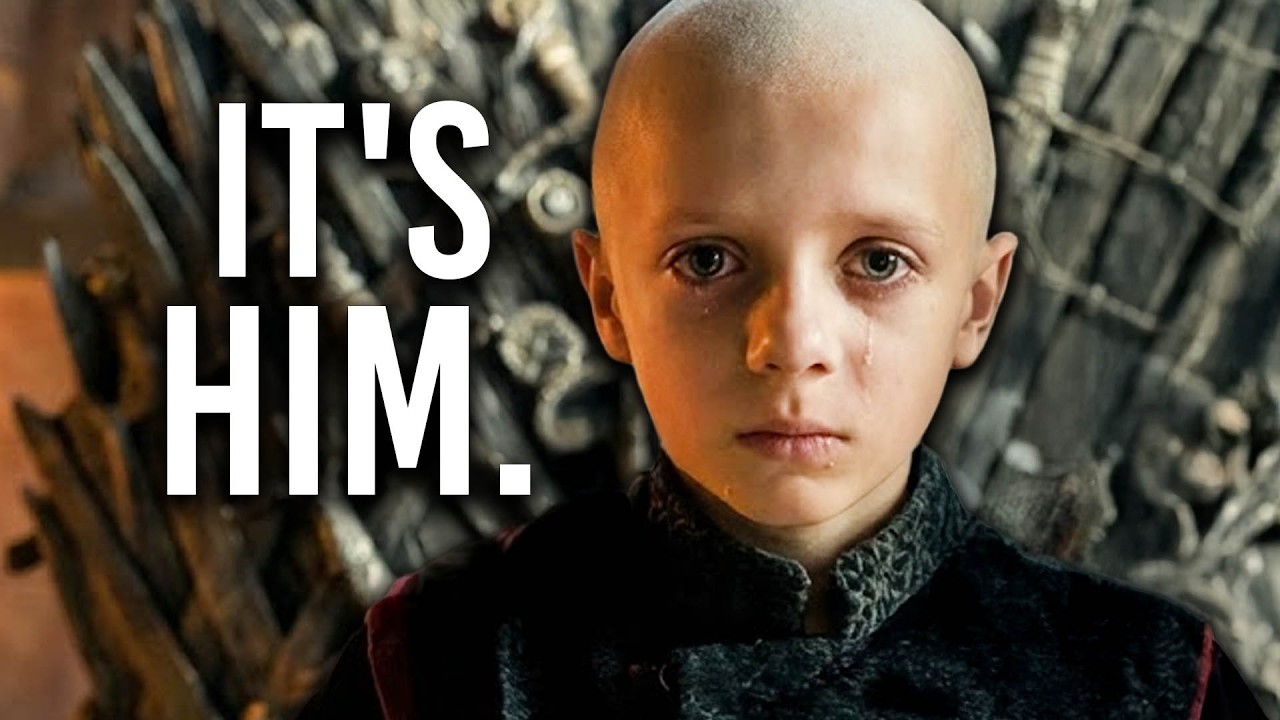
The Season 1 finale of A Knight of the Seven Kingdoms wraps the Ashford Meadow saga with reflection and road-bound hope: Ser Duncan the Tall declines royal offers, grapples with guilt over Prince Baelor Breakspear’s death, and rides off with young Aegon Targaryen—better known as Egg—as his squire. Yet the episode’s closing beats, including a show-only post-credits twist where Prince Maekar frantically searches for his runaway son, carry understated weight. Far from mere setup for Season 2, these moments subtly foreshadow Egg’s complex, ultimately tragic arc as King Aegon V Targaryen.
In George R.R. Martin’s broader canon, Aegon V—fourth son of Prince Maekar—ascends unexpectedly after family deaths, earning the moniker “the Unlikely.” He rules as a progressive king (233–259 AC), championing smallfolk rights against noble resistance. Reforms include limiting lordly power, improving peasant conditions, and attempting to revive dragons—efforts that culminate in the Tragedy at Summerhall. The blaze claims Egg, Dunk (by then Lord Commander of the Kingsguard), Prince Duncan the Small, and others. Details remain mysterious: wildfire accident, sorcery, or deliberate ritual to hatch eggs? Some theories suggest desperation pushed Egg toward extreme measures, possibly endangering family (like Rhaella Targaryen during labor with Rhaegar).
“Targaryen madness”—the family’s recurring instability from incest and power—often gets blamed. Aerion Brightflame drank wildfire; Aerys II burned people alive. Egg’s case is debated: Was he mad, or a well-intentioned ruler whose dragon obsession went fatally wrong?
The finale doesn’t declare Egg mad but layers hints through added scenes. Daeron Targaryen’s conversation with Dunk reframes “madness” as nurture over nature: Aerion was once a “glad child” who loved fishing, twisted by court life into cruelty. Daeron urges Dunk to guide Egg away from that fate, implying isolation breeds monsters. Dunk’s acceptance—training Egg humbly on the road—positions him as antidote to Targaryen toxicity.
Yet the runaway twist complicates this. In Martin’s The Hedge Knight, Maekar reluctantly consents; the show makes Egg lie, fleeing without permission. This echoes Egg’s earlier runaway (pre-series) and shows impulsivity, defiance, and willingness to deceive for freedom. Combined with his near-murder of Aerion (knife drawn in rage over Baelor’s death, halted by Maekar), it reveals volatility: a boy capable of lethal impulse when family wounds run deep.
Egg’s head-shaving reflection—defiantly reclaiming “Egg” over prince—feels empowering, but contrasts future identity struggles. As king, Aegon V sheds Targaryen pomp for accessibility, yet dragon fixation suggests lingering obsession with heritage. The Episode 3 prophecy (“king… die in a hot fire… worms shall feed upon your ashes… all who know you shall rejoice”) gains menace: not just death, but scorn from those who once loved him.
Show additions amplify this: Egg’s internal conflict (dark thoughts about family legacy), guilt by proxy (Baelor’s death tied to Targaryen infighting), and rebellion against Maekar’s control. Dunk’s influence tempers him—teaching honor, humility, protection of the weak—but can’t erase bloodline pressures. The road adventures (leading to The Sworn Sword and The Mystery Knight) build Egg’s character toward compassion, yet canon ends in fire.
Critics note the subtlety: No overt “mad” signs, just cracks—rage, lies, prophecy echoes. Showrunner Ira Parker has teased potential extension beyond three seasons, possibly to Aegon V’s reign. If so, the finale’s quiet unease sets up tragedy: a boy saved from one darkness might court another in pursuit of legacy.
Egg’s “inevitable” madness isn’t confirmed—Martin leaves ambiguity—but the ending whispers it: freedom with Dunk delays the fall, but Targaryen fire may burn anyway. In Westeros, even the kindest kings carry shadows.
News

Beauty in Black Season 3: The End of an Empire and the Rise of a New Order
THE BELLERY EMPIRE IS OFFICIALLY CRUMBLING! 😱 Is Season 3 the Final Stand? If you thought the Season 2 finale was “wild,” you clearly weren’t ready for the absolute CHAOS of that boardroom coup! ♟️ The Belleries are in cuffs,…

The Future of ‘Nemesis’: Will the High-Stakes Crime Thriller Return for Season 2?
IS NEMESIS SEASON 2 FINALLY HAPPENING? The Truth Behind the Netflix Cliffhanger! 🚨 The cat-and-mouse game between Isaiah Styles and Culin Wilder left us ALL in shock—and the internet is officially LOSING IT. 📉 While Netflix is playing coy with…

The Outlander Conundrum: Does the Season 8 Finale Secretly Tease a Feature Film?
IS THIS THE END OF JAMIE AND CLAIRE? The Outlander Finale Secret You Missed! 😱 The credits rolled on Outlander Season 8, but the internet is absolutely SCREAMING. 🗣️ While everyone is debating that “dead or alive” cliffhanger, a massive…

Why ‘The Night Manager’ Remains the Gold Standard of Modern Espionage Thrillers
🚨 THE SPY THRILLER EVERYONE IS OBSESSED WITH IS BACK FROM THE DEAD! 🚨 Forget the flashy gadgets—this is the most “dangerously addictive” game of cat-and-mouse ever filmed, and it’s officially sweeping the charts again! 🌎 Tom Hiddleston and Olivia…
Nate Bargatze and Mandy Moore’s ‘Solo Act’ Hits Home: Why Parents Can’t Stop Watching This New Comedy
🚨 PARENTING LEVEL: CATASTROPHIC! 🚨 We’ve all seen the “super-dad” tropes, but this is the first time a show has dared to show what actually happens when the “Perfect Dad” is left home alone for 72 hours. 😱 Nate Bargatze…
The ‘Man on Fire’ Phenomenon: Why Netflix’s Newest Crime Saga Is Keeping Millions Awake
🚨 FORGET EVERYTHING YOU’RE WATCHING. THE DARKEST THRILLER ON NETFLIX JUST DROPPED AND THE INTERNET IS LOSING ITS MIND! 🚨 If you think you know “revenge,” you’ve seen nothing yet. This isn’t just a crime drama—it’s a psychological descent into…
End of content
No more pages to load