🚨 BREAKING: Rachel Zegler just DROPPED the mic on her Snow White haters… and REFUSES to say sorry! 😱
She’s calling out the backlash, the threats to her safety, the endless online hate — and instead of backing down, she’s doubling down hard: “I REFUSE to assimilate for anybody else’s comfort!”
Full details:
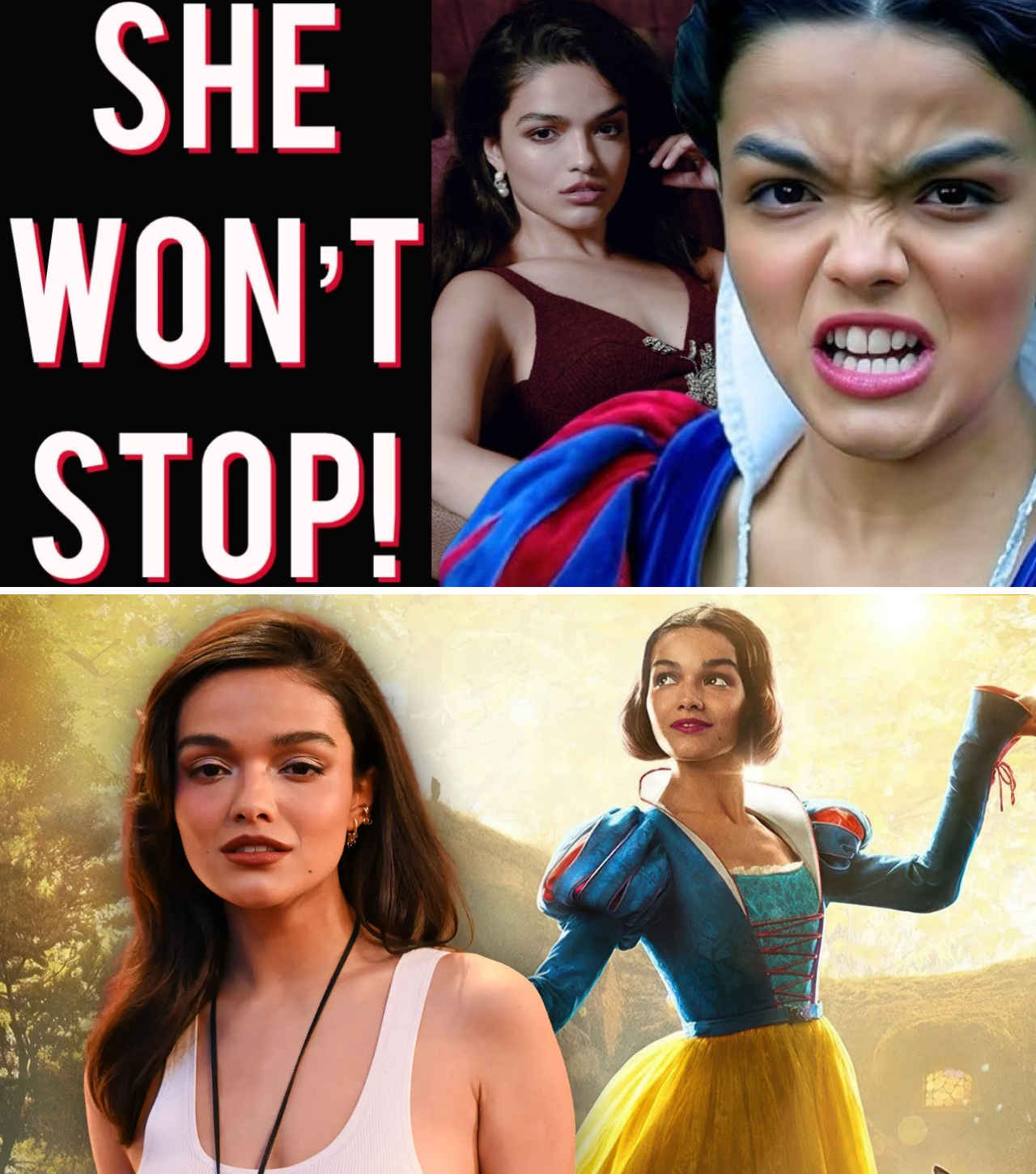
Rachel Zegler, the actress who starred as the titular princess in Disney’s live-action remake of Snow White, is once again addressing the firestorm that surrounded the film — and she’s not backing down.
In a candid new interview with Harper’s Bazaar UK, published this week, Zegler reflected on the intense criticism she faced following her 2021 casting announcement. The backlash stemmed from multiple angles: her Colombian-Polish heritage clashing with expectations for a character famously described as having “skin as white as snow,” her comments reimagining the classic 1937 tale as more modern and less dependent on romance, and her vocal support for Palestinians amid geopolitical tensions.
The 2025 release of Snow White — which paired Zegler with Gal Gadot as the Evil Queen — became one of the most talked-about box-office disappointments of the year. With a reported production budget exceeding $269 million, the film grossed around $205 million worldwide, falling short of expectations and fueling debates over “woke” remakes, star power, and cultural sensitivities.
Zegler described the experience as “really confusing,” especially given the contradictions in public reactions to her identity. “I was told I wasn’t enough of one thing for ‘West Side Story’ and too much of another for ‘Snow White,’” she said, referencing her breakout role as Maria in Steven Spielberg’s 2021 musical remake. In that film, some critics questioned her casting due to her father’s Polish background, arguing it diluted the character’s Puerto Rican heritage.
For Snow White, the criticism flipped. Conservative commentators and online voices argued that a Latina actress couldn’t authentically portray the fairy-tale figure traditionally depicted with porcelain skin. Zegler, who has proudly embraced her Colombian roots, called the scrutiny a harsh lesson in navigating mixed heritage in the spotlight.
“But I refuse to assimilate for anybody else’s comfort,” she declared, emphasizing her commitment to staying true to herself. The statement has reignited discussions, with supporters praising her resilience and detractors accusing her of deflecting responsibility for the film’s struggles.
The controversy didn’t stop at casting. Early promotional interviews saw Zegler describe the original animated film as “dated” in parts, noting that the new version would portray Snow White as a leader rather than someone waiting for rescue by a prince who, in her words, “literally stalks” her. Those remarks went viral, drawing accusations that she disrespected a beloved classic and pushed a feminist agenda that alienated core Disney audiences.
Tensions escalated further when Zegler used social media to express support for Palestinians during the film’s press cycle. Her co-star Gal Gadot, a former Israel Defense Forces member, had publicly supported Israel in past conflicts, leading to speculation about on-set friction — though both actresses have denied any personal animosity. The political posts amplified the backlash, with some fans blaming Zegler’s outspokenness for contributing to the movie’s poor performance.
Zegler acknowledged receiving “threats to my safety” during the ordeal. Looking back, she admitted the volume of hostility caught her off guard. “If I’d been able to predict everything that would come my way… I would have just thrown my phone into the ocean,” she said. “I think any sane person would have.”
She also reflected on the broader lesson: “The temptation to speak doesn’t always mean that it must be done.” While standing by her beliefs — “I’ve said what I feel, and that will always be a testament to my core beliefs as a human” — Zegler suggested more effective avenues for advocacy exist beyond tweets. She described the saga as “a complete study in intent versus impact,” hinting at regret over how her words landed without retracting them.
Critics of Zegler, particularly in conservative media circles, have portrayed her stance as playing the victim rather than owning accountability. YouTube commentators and online pundits have accused her of blaming “haters” and fans instead of addressing how her comments may have damaged the film’s prospects. One viral clip titled “Rachel Zegler REFUSES to Apologize: Plays Victim, Blames Fans & Haters for Hollywood Backlash!” has circulated widely, framing her interview as defiant rather than reflective.
Disney itself scaled back promotion for Snow White in its later stages, reportedly wary of further controversy. The film’s underperformance joined a string of 2025 disappointments for major studios, raising questions about audience fatigue with live-action remakes and the risks of updating classic IP.
Zegler has not issued a formal apology for her earlier statements on the original film or her political posts. In past instances, she has expressed regret for letting emotions drive certain social media outbursts — including a deleted post related to political discourse — but she maintains she has nothing to “redeem” in this context. “You have to have actually done something wrong in order to be redeemed,” she told the outlet.
The actress, who rose to fame with West Side Story and appeared in The Hunger Games: The Ballad of Songbirds & Snakes, continues to build her career amid the noise. Recent projects and her unapologetic posture suggest she’s leaning into authenticity over conformity.
For Disney, the Snow White saga serves as a cautionary tale. The studio has faced similar pushback with other remakes, from gender-swapped roles to diversified casting. Whether the backlash was rooted in genuine fan concern, cultural gatekeeping, or political tribalism remains debated.
Zegler’s refusal to “assimilate” has polarized opinions further. Supporters see it as a stand against racism and misogyny; detractors view it as arrogance that ignored audience expectations. As Hollywood grapples with inclusivity versus tradition, her words echo beyond one film.
In the end, the fairy tale didn’t end with a happily ever after at the box office — but Rachel Zegler isn’t waiting for a prince, or an apology demand, to define her story.
News
The Art of Discovery – Why Ulzok’s Cave Rewards the “Unrushed” Player
Think you’ve cleared the map? You’re missing the secret gear hidden in Ulzok’s Cave. 🕵️♂️🔥 Exploration in Crimson Desert is all about those “Aha!” moments, but some secrets are buried so deep the community is still hunting for them. We’re…
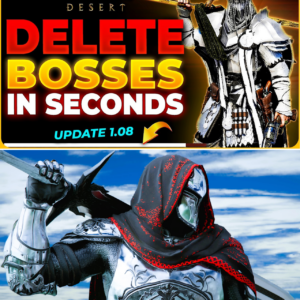
The Gold Rush – Maximizing Wealth in the Current Crimson Desert Meta
21 Gold Bars in ONE run? Stop wasting your time with outdated gold farms. 💰🔥 If you’re still grinding low-yield trade routes, you are falling behind. We’ve discovered a “golden” method that turns your inventory into a gold mine in…
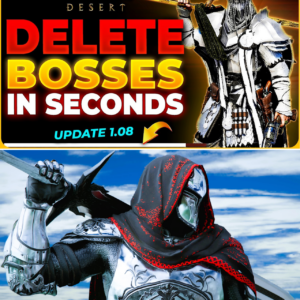
The New Meta – Analyzing the Post-1.08 “Boss-Melter” Build
The game-breaking build that just dropped after Update 1.08. 🔫🗡️ Pearl Abyss just enabled guns for Cliff, and the meta has officially been broken. We’re talking about a Two-Handed Sword + Bleed Shotgun hybrid that deletes bosses in seconds. This…
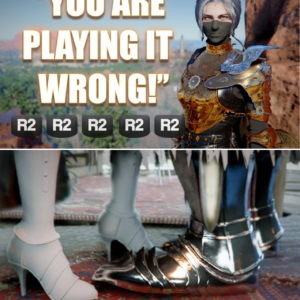
Beyond the Surface – Why Crimson Desert’s Combat Demands Mastery
Stop mashing buttons! You’re playing Damiane like a beginner. 🎮🔥 Think the combat in Crimson Desert is just “hold R2 to win”? You couldn’t be more wrong. While everyone else is stuck on basic attacks, the top-tier players have already…
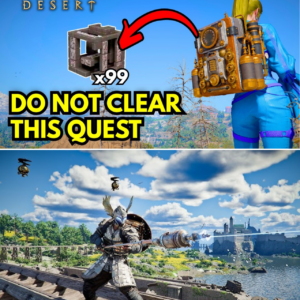
The Efficiency Trap – Optimizing Abyss Artifact Farming in Crimson Desert
Stop grinding combat. This “broken” Disruptor farm nets you 30+ Abyss Artifacts in minutes. ⚡🔥 Everyone is out here fighting bosses for XP, but the real secret to farming Abyss Artifacts is actually… not fighting at all. By utilizing the…
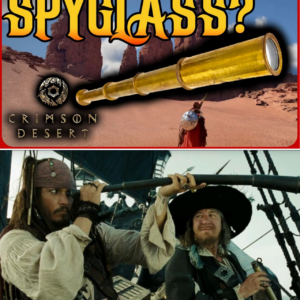
The Horizon Problem – Why a Spyglass is the Missing Link in Crimson Desert’s Exploration
Crimson Desert’s map is massive, but we’re playing half-blind. Pearl Abyss, we need to talk. 🔭🔥 Exploration in Crimson Desert is top-tier, but there’s one glaring omission that’s killing the experience: a functional, portable Spyglass. Sure, we have Photo Mode,…
End of content
No more pages to load