MAGICAL OR MARXIST? HBO’s Harry Potter remake goes FULL WOKE! 🧙♂️💣
The easiest slam dunk in TV history just hit the rim and shattered! 🚨 HBO finally revealed the cast for the new Harry Potter series, and the “D.E.I. Express” has officially arrived at Hogwarts. From a race-swapped Severus Snape to a “modernized” Wizarding World, is the magic being sacrificed at the altar of identity politics? 🚂🤡
Fans are absolutely REELING after the first teaser dropped. We wanted the books brought to life, but it looks like we’re getting a lecture instead! 📉 Is J.K. Rowling’s involvement just a shield for corporate virtue signaling? The internet is divided, the death threats are flying, and the “anti-woke” backlash is just getting started. Grab your popcorn, because this is going to be a disaster of biblical proportions! 🍿💀
The full breakdown of the casting “chaos” and why the fandom is calling for a TOTAL BOYCOTT is live. Check it out before it’s “reimagined” away! 👇

For over two decades, the Harry Potter franchise has been the ultimate “safe bet” in Hollywood. With seven best-selling books and eight blockbuster films, a television reboot should have been the easiest slam dunk in entertainment history. However, as the first teaser trailer for the 2026 HBO series debuted this week, it became clear that Warner Bros. Discovery has chosen the path of most resistance.
By leaning heavily into “inclusive casting” and modern social aesthetics, the series—creatively led by showrunner Francesca Gardiner and director Mark Mylod—has ignited a firestorm that threatens to overshadow the magic itself.
The Snape Scandal: Paapa Essiedu vs. The Ghost of Alan Rickman
The lightning rod for the current controversy is the casting of Paapa Essiedu as Severus Snape. Essiedu, a talented Ghanian-English actor known for I May Destroy You, is stepping into boots that many fans believe should never have been vacated by the late Alan Rickman.
While Essiedu’s acting credentials are undeniable, the decision to race-swap one of the most iconic characters in literature has been met with “brutal” resistance. On X (formerly Twitter) and Reddit’s r/HarryPotteronHBO, the term “D.E.I. Hire” has been trending for 48 hours. Critics argue that Snape’s appearance—specifically his “sallow skin” and “greasy black hair”—was a crucial part of his character’s gothic, outcast identity in Rowling’s books.
Essiedu recently revealed to Variety that he has already received death threats from “passionate” fans. “They aren’t just protecting a book; they’re protecting a memory,” Essiedu noted. But for the “anti-woke” contingent, this is simply the latest example of Hollywood “erasing” established lore to appease modern sensitivities.
Hogwarts: The Diversity Dividend
The “D.E.I. Express” doesn’t stop at the staff table. The announced list of Hogwarts students shows a significant shift toward a more diverse student body. While characters like Angelina Johnson (Asha Soetan) were always Black in the source material, the overall “adolescent color grade” and casting choices for secondary characters have led to accusations that HBO is more interested in a census report than a story.
“It feels like they’re checking boxes,” says one viral post on the Daily Prophet fan forum. “We wanted a 1:1 adaptation of the books. Instead, we’re getting ‘Prestige TV’ aesthetics where everything is grey, dull, and politically correct.”
The “J.K. Rowling” Paradox
Adding a layer of complexity to the drama is the involvement of J.K. Rowling herself. Despite the “cancel culture” campaigns against her due to her views on transgender issues, Rowling remains an executive producer with significant creative oversight.
Ironically, this has created a “pincer movement” of backlash. On one side, progressive activists are boycotting the show because of Rowling’s presence. On the other, the core “anti-woke” fanbase—who might normally support Rowling—are accusing her of allowing “woke propaganda” to infect her work just to stay relevant in a changing industry. Even John Lithgow, cast as Albus Dumbledore, reportedly considered quitting the project due to the sheer toxicity surrounding Rowling’s brand.
Technical Grief: Where is the Color?
Beyond the identity politics, the “New York Post” style of reporting has focused on a more visceral complaint: the look of the show. Side-by-side comparisons between the 2001 film The Philosopher’s Stone and the 2026 teaser show a stark contrast. The original films were vibrant and “magical”; the new series appears “dark, desaturated, and cold.”
“Why does a world of magic look like a corporate office in London?” asked one YouTuber. The use of “synthetic fabrics” for Muggle clothing and a “washed-out” palette for Hogwarts has led to the “Uncanny Valley” effect—where everything looks expensive but feels “wrong.”
The Core Trio: Dominic, Arabella, and Alastair
Amidst the storm, the central trio of Dominic McLaughlin (Harry), Arabella Stanton (Hermione), and Alastair Stout (Ron) has been caught in the crossfire. While their casting was generally well-received for their “unknown” status—reminiscent of the original 2001 search—fans are already expressing concern for their mental health.
“I just feel bad for the kids,” one Reddit user wrote. “They are going to be the faces of a culture war they didn’t ask for. If this show flops because people hate the ‘woke’ changes, these children’s careers will be over before they start.”
Is the Magic Dead?
HBO CEO Casey Bloys has reaffirmed that the series will be “faithful” to the books over its planned 10-year run. However, the first impression has been one of division rather than wonder. In the tabloid world, the narrative is already written: HBO took the most beloved IP on the planet and managed to make it “controversial” instead of “celebrated.”
As we approach the December 2026 premiere, the question remains: Can a race-swapped Snape and a “reimagined” Hogwarts capture the hearts of a generation that grew up with the original films? Or will the “D.E.I. Express” derail the most expensive television project in history?
The Wizarding World was built on imagination. But as we’ve seen with Disney’s “Project Imagine,” sometimes the corporate version of imagination is exactly what kills the dream.
News

The Art of Discovery – Why Ulzok’s Cave Rewards the “Unrushed” Player
Think you’ve cleared the map? You’re missing the secret gear hidden in Ulzok’s Cave. 🕵️♂️🔥 Exploration in Crimson Desert is all about those “Aha!” moments, but some secrets are buried so deep the community is still hunting for them. We’re…
The Gold Rush – Maximizing Wealth in the Current Crimson Desert Meta
21 Gold Bars in ONE run? Stop wasting your time with outdated gold farms. 💰🔥 If you’re still grinding low-yield trade routes, you are falling behind. We’ve discovered a “golden” method that turns your inventory into a gold mine in…
The New Meta – Analyzing the Post-1.08 “Boss-Melter” Build
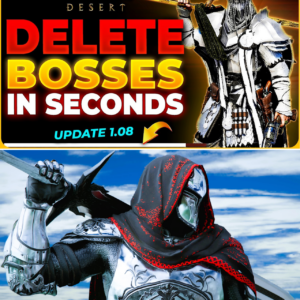
The game-breaking build that just dropped after Update 1.08. 🔫🗡️ Pearl Abyss just enabled guns for Cliff, and the meta has officially been broken. We’re talking about a Two-Handed Sword + Bleed Shotgun hybrid that deletes bosses in seconds. This…
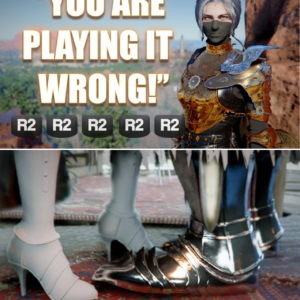
Beyond the Surface – Why Crimson Desert’s Combat Demands Mastery
Stop mashing buttons! You’re playing Damiane like a beginner. 🎮🔥 Think the combat in Crimson Desert is just “hold R2 to win”? You couldn’t be more wrong. While everyone else is stuck on basic attacks, the top-tier players have already…

The Efficiency Trap – Optimizing Abyss Artifact Farming in Crimson Desert
Stop grinding combat. This “broken” Disruptor farm nets you 30+ Abyss Artifacts in minutes. ⚡🔥 Everyone is out here fighting bosses for XP, but the real secret to farming Abyss Artifacts is actually… not fighting at all. By utilizing the…
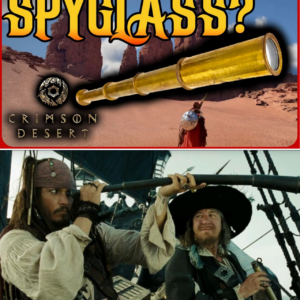
The Horizon Problem – Why a Spyglass is the Missing Link in Crimson Desert’s Exploration
Crimson Desert’s map is massive, but we’re playing half-blind. Pearl Abyss, we need to talk. 🔭🔥 Exploration in Crimson Desert is top-tier, but there’s one glaring omission that’s killing the experience: a functional, portable Spyglass. Sure, we have Photo Mode,…
End of content
No more pages to load