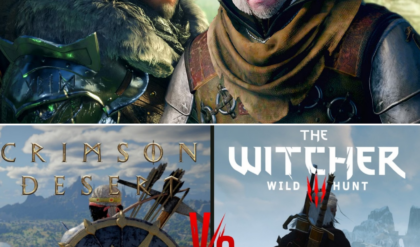
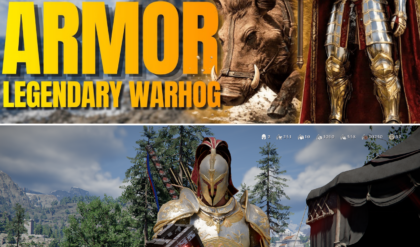
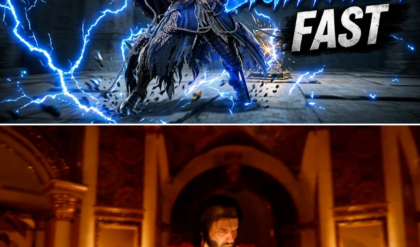
[UNPOPULAR OPINION] DID CRIMSON DESERT JUST KILL THE WITCHER 3? 🗡️🏜️
We’ve waited 11 years for a “Witcher-killer,” and Pearl Abyss finally dropped the titan. But after 300+ hours in Pywel, the community is split down the middle: Is this a revolutionary masterpiece or just the “worst game I’ve ever enjoyed”?
The world of Crimson Desert is 3x larger than The Witcher 3, featuring a seamless map and mechanics that make Geralt’s movement feel like a relic of the past. But there’s a massive catch that everyone is talking about—something about the way the “Crimson Desert” region itself is hidden from the main story that has fans absolutely baffled.
Is Kliff’s journey an emotional wreck compared to Geralt’s legendary saga? One side is calling it the new king of emergent gameplay, while the other says it lacks a soul. The “Abyss Cubes” and “Dragon Mounts” are changing the game, but did they sacrifice the story to get there?
The throne is shaking. The king might not be dead, but he’s definitely bleeding. See the brutal comparison that’s setting the RPG world on fire below! 👇🔥
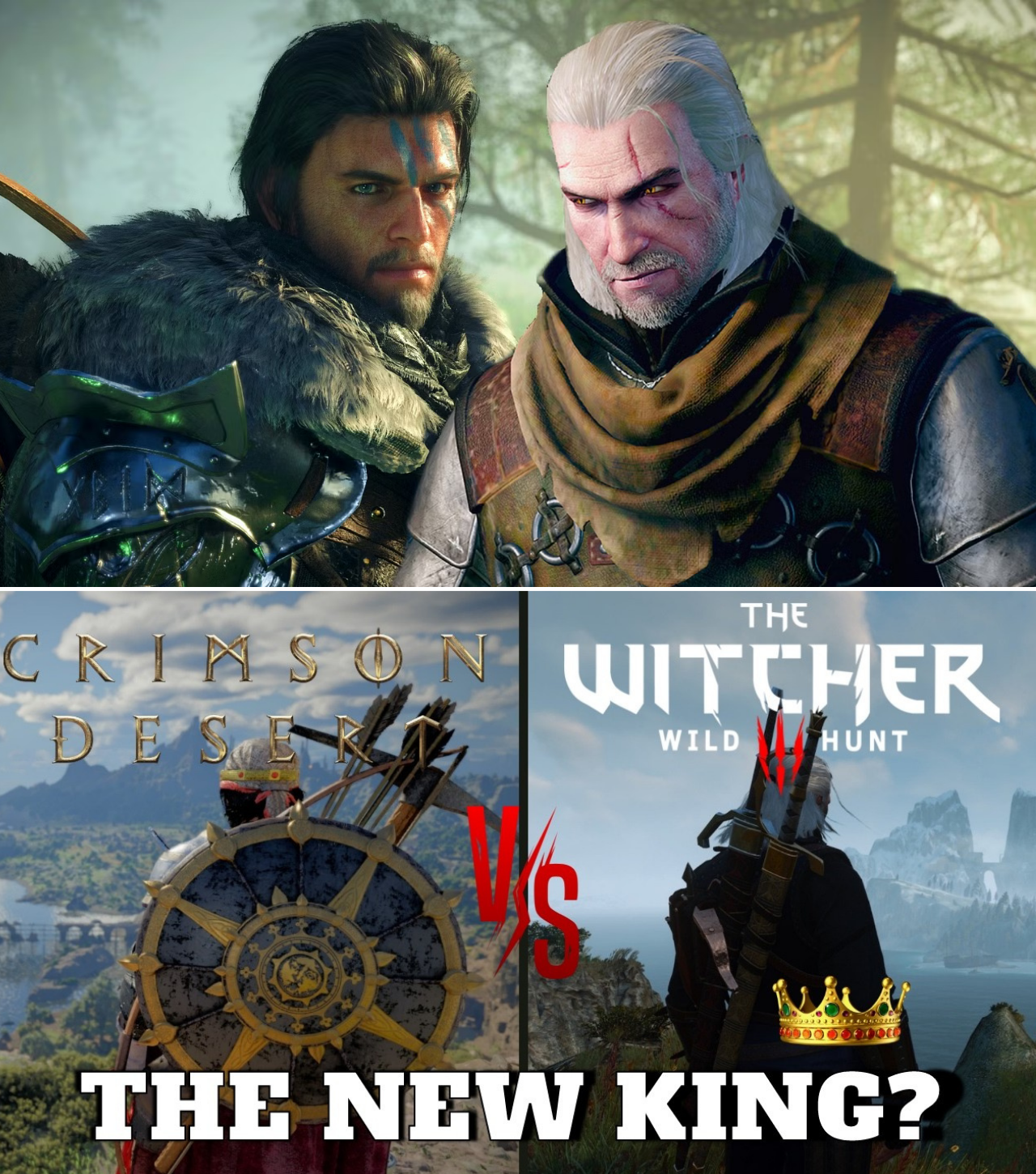
For over a decade, CD Projekt Red’s The Witcher 3: Wild Hunt has sat unchallenged atop the open-world RPG throne. Every major release, from Assassin’s Creed Valhalla to Elden Ring, has been measured against Geralt of Rivia’s emotional journey. Enter Crimson Desert, Pearl Abyss’s long-awaited epic. With a world three times the size of its predecessor and a mechanical depth that spans from mountain climbing to dragon riding, the question was inevitable: Has the king finally been dethroned?
The consensus from the community and leading analysts like AVV Gaming is a resounding “No”—but with a fascinating caveat. Crimson Desert isn’t a better Witcher; it’s a completely different animal.
Scale vs. Soul: The World-Building Divide
The most immediate contrast lies in the geography. The Witcher 3 is a “staged” world—a series of handcrafted backdrops for specific, emotional narratives. Whether it’s the bleak swamps of Velen or the vibrant orchards of Toussaint, every location exists to serve a story.
In contrast, Crimson Desert offers a fully seamless, systemic playground. While The Witcher 3 guides players toward “Points of Interest,” Crimson Desert encourages pure, unguided discovery. One player’s journey might involve stumbling into an Abyss Cube that teleports them to a puzzle in the sky, while another might spend hours engaging in horse racing or mining. It is a “Jack-of-all-trades” sandbox that borrows traversal from Assassin’s Creed, physics from Breath of the Wild, and the heavy-hitting boss encounters of Elden Ring.
The Narrative “Fragment”: Where Kliff Falls Short
The most biting criticism leveled against Crimson Desert involves its narrative structure. While The Witcher 3 is celebrated for the “Bloody Baron” questline—a masterclass in moral ambiguity and character depth—Crimson Desert’s storytelling is being described as “fragmented” and “secondary.”
Reports from the community highlight a jarring lack of focus in the early hours. Players are often sent on loosely connected chores—arm wrestling, chimney sweeping, or helping nobles in Deminis—with little to no narrative payoff. Most shockingly, the game’s namesake, the “Crimson Desert” region, isn’t even accessible during the main story, only opening up in the epilogue. For players who value “narrative first,” this has been a major point of disappointment. As one prominent creator, Neon Knight, famously put it: “It’s the worst game I’ve ever enjoyed.”
Emergent Gameplay vs. Authored Excellence
The debate truly ignites when discussing side quests. In The Witcher 3, an optional quest like “Fike Isle” is a fully realized story with multiple endings and lasting consequences. In Crimson Desert, a bounty quest might be narratively “generic,” offering the same cutscene every time.
However, the “magic” of Crimson Desert happens in the gaps. Because the world is so systemic, the journey to a quest marker becomes the story itself. Being knocked unconscious by toxic mushrooms in a dark forest only to wake up in a hidden village is a uniquely player-driven experience that The Witcher 3’s rigid structure simply cannot replicate.
Technical Benchmarks: The RTX 50 Edge
Technically, Crimson Desert is lightyears ahead. Utilizing advanced frame generation and a complex physics engine, it makes The Witcher 3’s combat and traversal feel aged. From the fluid “Hwando” katana strikes to the visceral impact of its wrestling-style combat, Pearl Abyss has set a new standard for how an RPG should feel. But as critics point out, better combat does not equal a better RPG if the characters don’t make you care.
The Verdict: Two Extremes of a Genre
Ultimately, Crimson Desert hasn’t replaced The Witcher 3 because it isn’t trying to. It has expanded the “breadth” of the genre—offering variety, systems, and freedom—while The Witcher 3 remains the master of “depth.”
Geralt’s crown remains secure because no other game has matched the emotional weight and narrative consistency of the 11-year-old classic. Crimson Desert is an incredible achievement and an all-time great, but it sits alongside the king rather than on his throne. For the fans, the result is a win-win: the genre is finally evolving through variety, not just repetition.
News
THE HERNAND HEIST: HOW ‘CRIMSON DESERT’ PLAYERS ARE EXPLOITING AN INVISIBLE QUEST TO DOMINATE THE EARLY GAME
STOP SCROLLING! Your Kliff looks like a peasant and your horse is struggling for its life! 😱 The community just found a massive oversight in the Hernand region progression that lets you skip the mid-game grind entirely. If you’re still…
THE CRIMSON ACCELERATION: Inside Pearl Abyss’s Record-Breaking Update Cycle and the Viking Leaks Beyond the Border
IS PEARL ABYSS “HACKING” THE DEV CYCLE? 3 MONTHS OF CONTENT IN 3 WEEKS! 🤯🚀 The gaming world is in absolute shock as Crimson Desert just “speedran” its entire 3-month development roadmap in less than 21 days. But the real…
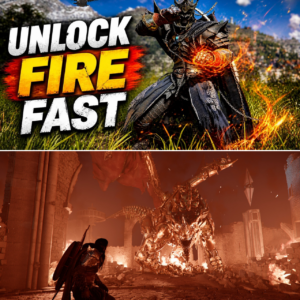
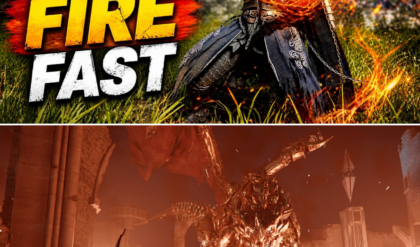
TRIAL BY FIRE: The “Broken” Secrets Behind Crimson Desert’s Most Popular Elemental Unlock
STOP PLAYING CRIMSON DESERT WITHOUT THE FLAME MANTLE! 🔥🌋 You’ve seen the clips of players covered in lava and fire, melting entire mobs in seconds—now it’s your turn. But fair warning: the “Tree of Slumber” is designed to break you….
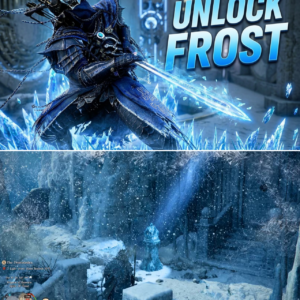
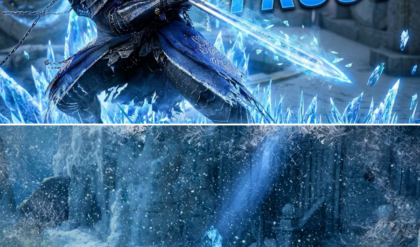
THE CHILL OF VICTORY: How Crimson Desert’s Frost Element is Redefining Tactical Combat
STOP DYING TO MOB SWARMS! THE FROST ELEMENT IS THE ULTIMATE CROWD CONTROL. ❄️🛡️ Tired of getting overwhelmed by Blackbeard camp enemies? The Frost Mantle is the game-changer you’ve been looking for, but unlocking it requires more than just a…
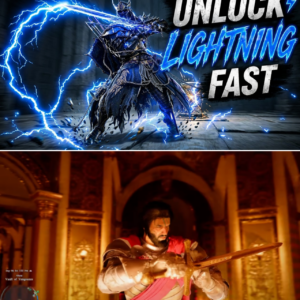
THUNDERBOLT AND FRUSTRATION: Why Crimson Desert’s Lightning Puzzle is the Ultimate Skill Check
STOP USING FIRE! THE LIGHTNING ELEMENT IS FINALLY UNLOCKED. ⚡🌪️ You’ve been grinding for fire element buffs, but the pro-tier players have already moved on to the Lightning meta. The “Sanctum of Insight” is breaking people’s spirits—if you don’t have…
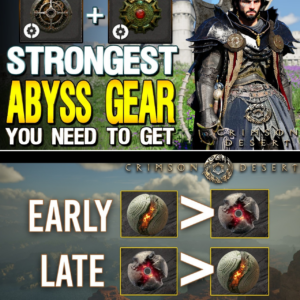
THE ABYSS GEAR SCANDAL: Why Crimson Desert Players are Demanding a System Overhaul
YOU’RE EMBEDDING YOUR ABYSS GEARS ALL WRONG! 🛑💎 Think your +Attack gear on your bow is helping your sword damage? Think again. The community is in an absolute uproar after testing revealed that most Abyss Gears are “weapon-locked,” meaning you’re…
End of content
No more pages to load