This Genius Stranger Things Theory Explains How the Final Season Ripped Off a Classic Anime
This Genius Stranger Things Theory Explains How the Final Season Ripped Off a Classic Anime 🤯📺
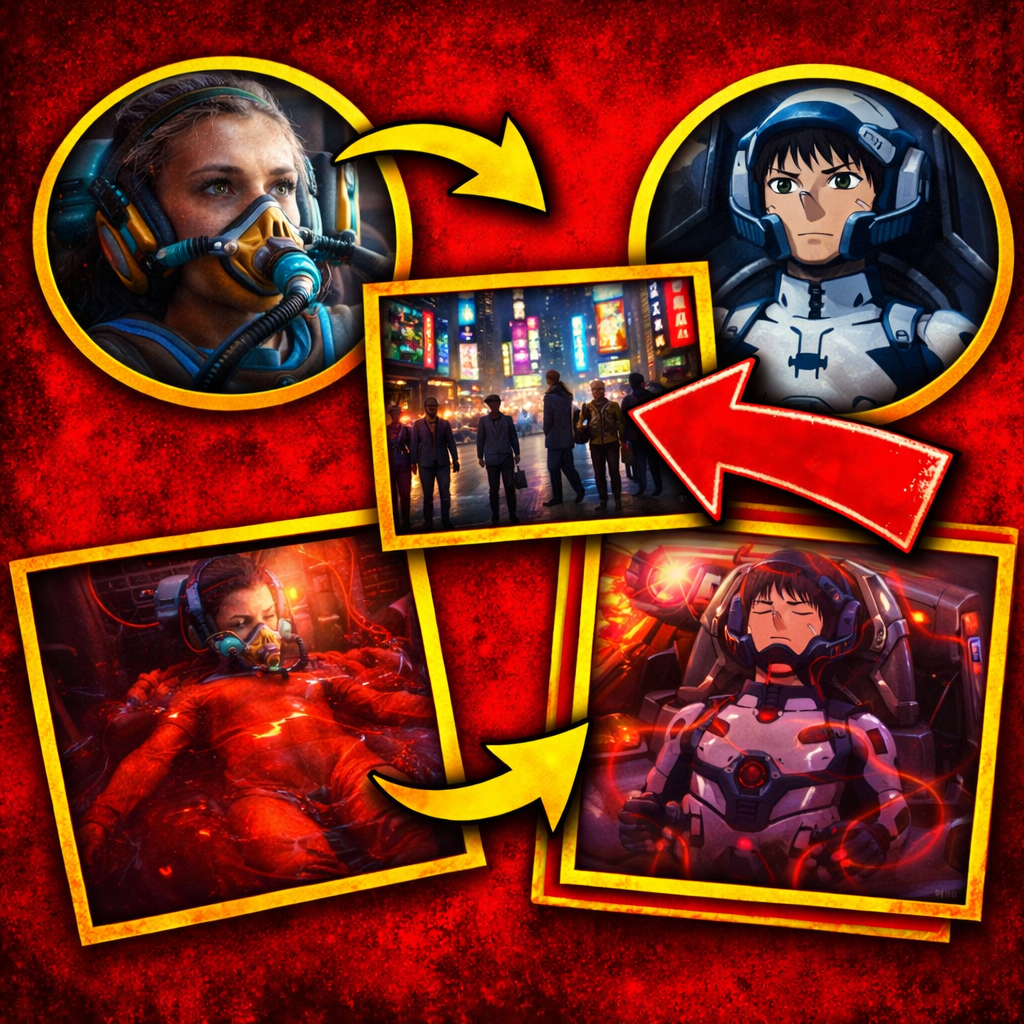
The Stranger Things Season 5 finale left fans divided: epic battles, Eleven’s ambiguous “sacrifice,” a safe-no-major-deaths vibe, and that nostalgic basement D&D wrap-up. But what if the entire ending — Eleven’s fate, the emotional inner turmoil, the abstract “did she survive or not?” ambiguity — was secretly lifted straight from one of the most mind-bending anime ever made?
Full details:
Stranger Things wrapped its eight-season run on December 31, 2025, with a finale that delivered spectacle, nostalgia, and plenty of debate. The two-hour closer, “The Rightside Up,” saw the Hawkins crew defeat Vecna and the Mind Flayer in a massive showdown, with Eleven using her powers to seal the gates to the Upside Down in what appeared to be a fatal sacrifice. Yet the episode left her fate deliberately ambiguous—no body shown, only hints through Mike’s D&D narration and emotional callbacks suggesting survival, perhaps without her abilities.
The ending drew mixed reactions. Supporters praised its emotional focus on friendship and growth, with the epilogue flashing forward to the group moving on—college, relationships, a new generation picking up the D&D torch. Critics called it safe, overstuffed, and lacking stakes, with no major hero deaths despite years of buildup. Plot holes lingered: military accountability, side-character fates, and the Mind Flayer’s reduced role.
Amid the discourse, a compelling fan theory has gained traction online, arguing the finale borrows heavily from the classic anime Elfen Lied—a series the Duffer Brothers have repeatedly cited as a core influence on Eleven’s character from the show’s inception.
Matt and Ross Duffer first mentioned Elfen Lied in interviews around Stranger Things’ 2016 premiere. Matt described it as “an ultraviolent E.T.” that felt influential, particularly for Eleven. The 2004 anime follows Lucy, a Diclonius—a mutant girl with telekinetic “vectors” (invisible arms) capable of horrific violence. Engineered in a lab, she escapes, is taken in by kind strangers, and grapples with her violent nature versus her desire for normalcy. The series is notorious for extreme gore, psychological depth, and themes of trauma, isolation, and redemption.
The parallels to Eleven are clear: both are lab-created psychics with immense destructive power, both struggle with humanity after years of abuse, both form bonds that humanize them. Lucy’s vectors mirror Eleven’s telekinesis in brutality and control issues. The Duffer Brothers have acknowledged drawing from Elfen Lied’s blend of horror, emotion, and childlike innocence amid violence.
The theory zeroes in on the finales. Elfen Lied’s conclusion is famously ambiguous: Lucy faces apparent death in a massive explosion during a climactic confrontation. Yet the final scenes imply survival—hints of her living quietly by waterfalls, stripped of powers, finally at peace. No explicit confirmation, just poetic suggestion through imagery and dialogue, leaving viewers to decide.
Stranger Things Season 5 echoes this structure. Eleven’s powers are overtaxed in the battle; she closes the gate in a world-shaking blast that seems to consume her. But post-battle, Mike theorizes her escape in the D&D retelling, and subtle clues (a blue bracelet from Hopper, emotional callbacks) point to survival without powers. Like Lucy, Eleven’s “curse” is lifted, allowing a potential normal life. The ambiguity—did she die heroically or live quietly?—mirrors Elfen Lied’s open-ended close.
Post-finale interviews support the connection. The Duffers told outlets they wanted Eleven to confront her post-experiment reality: “How could she live a normal life?” This aligns with Elfen Lied’s theme of engineered beings seeking ordinary existence after violence. Actor Caleb McLaughlin noted the finale “felt like anime” in tone—emotional, introspective, less about action payoff than character resolution—further fueling speculation.
Fans on Reddit and forums have dissected the links. Threads highlight visual nods: water motifs in both (Elfen Lied’s symbolic waterfalls for peace; Stranger Things’ watery gate-closing imagery), the “sacrifice for loved ones” trope, and the refusal to confirm death for cathartic ambiguity. Some call it homage—full-circle payoff for Eleven’s origins. Others see rip-off: borrowing the exact ambiguous-survival structure without credit beyond early nods.
The theory fits Stranger Things’ history of influences. The show has pulled from 1980s films (E.T., Aliens, Stephen King), but anime roots run deep—Elfen Lied for Eleven, Akira for psychic origins, even horror anime like Parasyte for possession themes. Season 5’s introspective close, prioritizing emotional legacy over shock, feels anime-inspired, per McLaughlin.
Critics argue it’s coincidence—ambiguous fates are common in serialized storytelling. Yet the Duffers’ own words tie Elfen Lied directly to Eleven, making the finale parallel hard to ignore. Whether genius callback or unacknowledged lift, the theory reframes the divisive ending as a deliberate echo of its anime inspiration.
As Stranger Things enters legacy mode—with spin-offs like the animated Tales from ’85—the Elfen Lied connection underscores its eclectic roots. The show that began with lab-escape horror ends with quiet redemption ambiguity, proving some influences endure from pilot to finale.