Knight of the Seven Kingdoms ‘The Villain Everyone Missed’ – He Has Been In Plain Sight All Along
🚨 BREAKING: The REAL villain of A Knight of the Seven Kingdoms has been HIDING IN PLAIN SIGHT the whole time – and everyone missed it! 😱🕵️♂️👑
Read more:
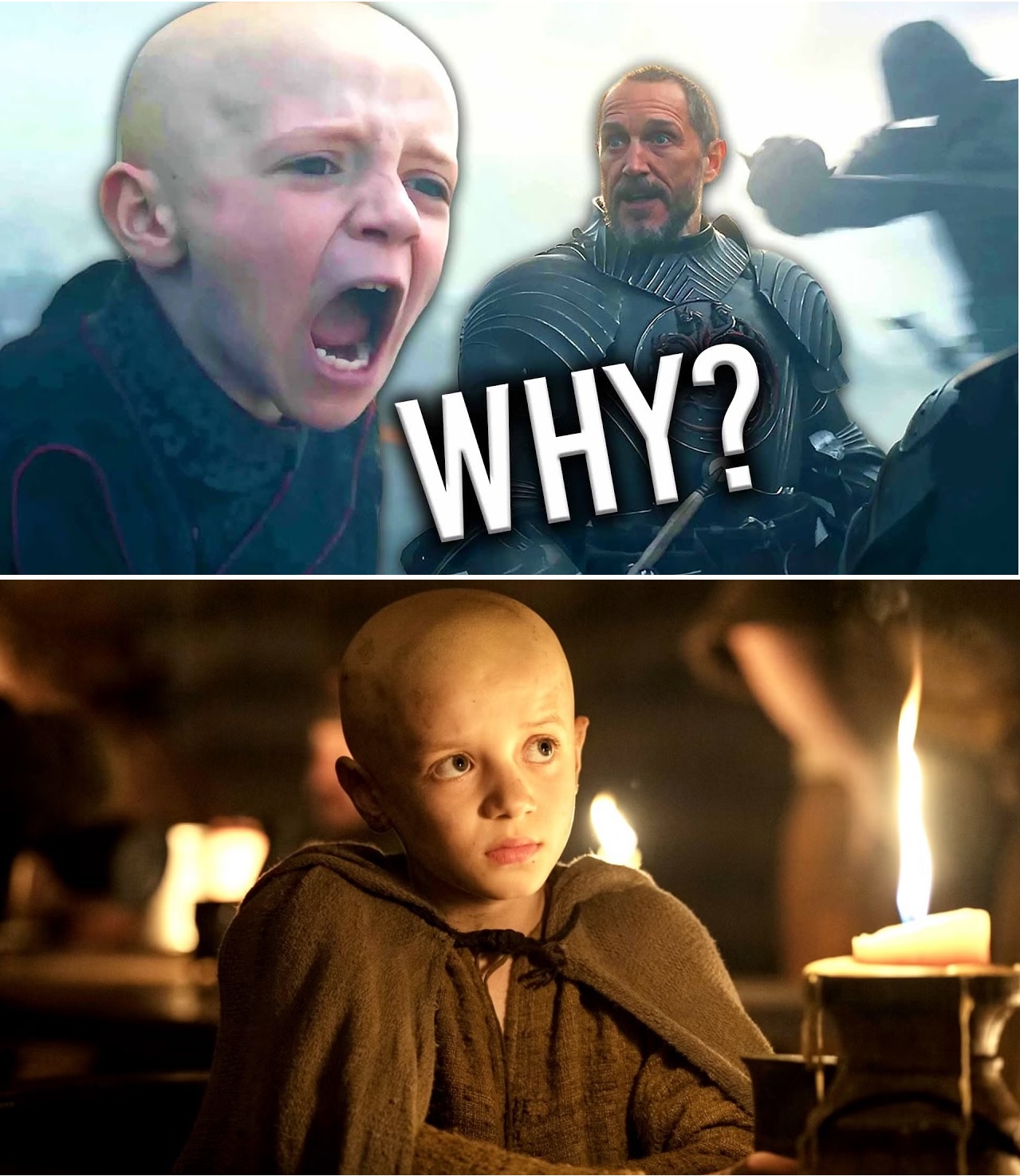
As A Knight of the Seven Kingdoms builds toward its climactic Trial of Seven, a growing wave of fan theories points to a hidden antagonist who has operated under the radar: someone whose influence shapes events more insidiously than the overt cruelty of Prince Aerion Targaryen. While Aerion (Finn Bennett) has stolen headlines as the series’ most immediate villain – torturing puppeteers, killing horses in jousts, and demanding a deadly trial – speculation suggests the true “villain everyone missed” is a figure hiding in plain sight, pulling strings with subtlety and long-term consequences.
Theories largely converge on Brynden Rivers, better known as Bloodraven – the one-eyed, albino Targaryen bastard who fought alongside Baelor at the Battle of the Redgrass Field and now serves as Master of Whisperers under King Daeron II. Though he appears only briefly or is referenced indirectly in the show so far, his presence looms large in the broader lore. Bloodraven’s role as a spymaster and practitioner of dark arts, including greenseeing through weirwoods, positions him as a manipulator whose actions ripple forward into Westeros’ future tragedies.
In the novellas by George R.R. Martin, Bloodraven’s influence during this era is understated but pivotal. He orchestrated key elements of the Blackfyre Rebellion’s suppression, using sorcery and espionage to secure Daeron II’s victory. His rivalry with Bittersteel (Aegor Rivers) sowed seeds for ongoing Blackfyre claims. By the time of The Hedge Knight, Bloodraven’s network of spies keeps tabs on threats to the crown, potentially including young Egg’s disappearance and Dunk’s involvement. Some fans argue Bloodraven allows or even encourages the Ashford incident to test loyalties, eliminate rivals like Aerion, or position Egg for the throne – all while advancing his own agenda tied to the old gods and prophecies of a greater darkness.
The “in plain sight” element comes from subtle hints: mentions of ravens, shadowy informants, or the eerie atmosphere around certain characters. Bloodraven’s physical description – pale skin, red eye – evokes the weirwood trees, symbols of ancient magic. In the show, background details like raven messengers or unexplained observations align with his watchful nature. Unlike Aerion’s flashy villainy, Bloodraven’s threat is patient, calculating, and tied to the supernatural undercurrents that later define Game of Thrones – from the White Walkers to Bran Stark’s visions.
Other theories propose different candidates. Some point to Prince Maekar Targaryen (Sam Spruell), Egg’s stern father, whose harshness and family neglect indirectly fuel the chaos. Maekar’s frustration with his sons – Aerion’s madness, Daeron’s drunkenness, and Egg’s rebellion – makes him complicit in the dysfunction. Yet his actions stem more from duty than malice.
A bolder take suggests Baelor “Breakspear” (Bertie Carvel) himself harbors hidden motives. His dramatic decision to join Dunk’s side in the Trial of Seven appears heroic, but it pits him against his brother and nephews, risking civil strife. In the books, Baelor’s death in the trial accelerates succession crises, leading to Egg’s unlikely kingship and eventual Summerhall disaster. Critics of this theory note Baelor’s reputation for honor, but some fans see political ambition: by championing a lowborn knight, he bolsters his image as a just future king while weakening rivals like Aerion.
Even Egg (Dexter Sol Ansell) draws suspicion in fringe discussions. His lies to Dunk and hidden identity drag the hedge knight into royal intrigue, foreshadowing larger Targaryen tragedies. Yet Egg’s arc emphasizes growth and reform, not villainy.
The most compelling case remains Bloodraven. His arc extends far: after exile, he becomes the Three-Eyed Crow, guiding Bran in Game of Thrones. Manipulations from this era – suppressing Blackfyres, influencing successions – serve his vision of preparing for the Long Night. Allowing Aerion’s excesses or Dunk’s challenge could prune problematic Targaryens while elevating Egg, whose reign attempts reforms but ends in fire.
The show’s grounded style contrasts with overt villains, making subtle threats more impactful. Aerion provides immediate menace, but the “missed” villain operates in shadows, his influence felt through consequences rather than direct cruelty. High ratings reflect appreciation for this layered storytelling, with Episode 4’s twists amplifying anticipation.
As the Trial of Seven looms, fans debate whether the real danger is the obvious prince or the unseen hand guiding events. In Martin’s world, villains rarely announce themselves – they hide in plain sight, waiting for the right moment. Whether Bloodraven or another emerges as the true antagonist, the series continues to reward close viewing, connecting intimate tales to the epic saga.