In Bridgerton, marriage looks like fairy tales and steamy dances… but behind the gowns and grand balls, it’s a suffocating cage for women! 😱💔
Every single thing a young lady is taught—from the moment she can walk—is laser-focused on ONE goal: landing a husband. Dance perfectly, speak softly, hide your opinions, endure endless lessons in etiquette, music, needlework… all to become the ideal wife. No career, no independence, no voice. One wrong step? Ruined forever.
Season 4 Part 2 is about to expose how suffocating these expectations really are. Will Sophie break free? Or will the system win again? Fans are calling it the most eye-opening look at Regency women’s reality yet.
You NEED to see why it’s so heartbreaking—and why it hits harder in 2026.👇
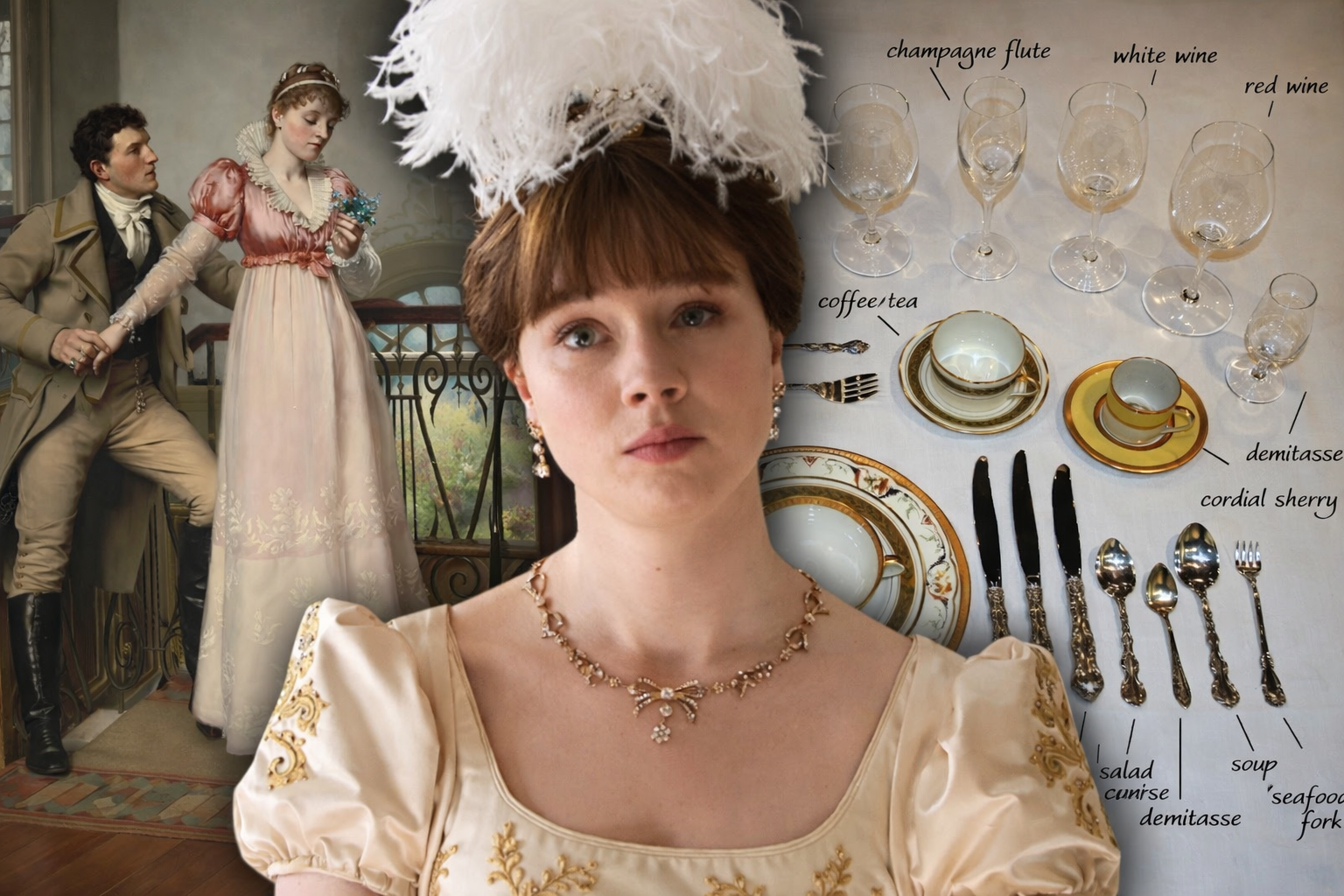
As “Bridgerton” Season 4 Part 2 hurtles toward its February 26 premiere on Netflix, a viral video titled “Every Thing a Woman MUST Learn to be Married in Bridgerton” has taken social media by storm, shining a harsh light on the era’s harsh expectations for women. Far from the glittering fairy tales of balls and proposals, the clip — and much of the season’s narrative — underscores how marriage in Regency society was often less about love and more about survival in a system designed to keep women dependent and silent.
The video, posted by the channel Bopping and racking up tens of thousands of views, breaks down the unspoken curriculum drilled into young ladies of the ton. From childhood, girls like Daphne, Eloise, Penelope, and now Sophie Baek are groomed for one primary purpose: securing a husband. Lessons in deportment, piano, French, embroidery, and graceful conversation aren’t hobbies — they’re marketability tools. A woman’s value is measured by her ability to charm suitors, maintain impeccable reputation, and produce heirs. Step outside those lines, and the consequences are swift and severe: scandal, ostracism, or worse, spinsterhood.
Season 4, centered on Benedict Bridgerton (Luke Thompson) and Sophie Baek (Yerin Ha), brings this reality into sharp focus. Sophie’s Cinderella-like story — a lady’s maid sneaking into a masquerade ball, capturing Benedict’s heart, then facing rejection due to class — highlights the rigid barriers women navigated. As an illegitimate daughter hidden by her cruel stepmother Lady Araminta Gun (Katie Leung), Sophie has lived the consequences of society’s disdain for women outside the “proper” path. Her backstory echoes real Regency fears: without marriage to a man of means, a woman faced poverty, exploitation, or invisibility.
Promotional materials and Part 1 episodes emphasize the suffocation. Young debutantes endure grueling preparations — corsets that restrict breathing, endless etiquette drills, and chaperoned outings where every glance and word is scrutinized. The show doesn’t shy from showing the pressure: mothers like Violet Bridgerton (Ruth Gemmell) gently push their children toward matches, while Portia Featherington (Polly Walker) schemes desperately to marry off her daughters. Even Francesca Bridgerton (Hannah Dodd) grapples with expectations around intimacy and marital duties, highlighting a taboo topic — women’s lack of education about sex and bodies, leaving them vulnerable on wedding nights.
The viral clip points out the double standard: Men like Benedict can carouse, pursue art, and delay marriage without losing status. Women? A single unchaperoned moment or rumor can destroy prospects. Coverture laws — where a wife’s legal identity merges with her husband’s — meant no property rights, no independent finances, and limited recourse in unhappy unions. The video draws parallels to modern viewers, noting how these dynamics feel eerily relevant in discussions of autonomy and power imbalances.
Book fans know Julia Quinn’s “An Offer From a Gentleman” offers a hopeful escape: Benedict ultimately defies convention to marry Sophie after her legitimacy is forced into the open. The series has adapted this with nuance, softening Benedict’s initial mistress proposal (a polarizing moment in Part 1) to explore his growth. Showrunner Jess Brownell has emphasized Sophie’s trauma — fearing illegitimate children repeating her suffering — and her refusal to settle for less than equality. Trailers for Part 2 tease redemption: heated confrontations, the iconic bath scene, and Benedict’s declaration that he wants Sophie as his wife, not a hidden lover.
Yet the season doesn’t romanticize the system. Sophie’s arc exposes class and gender intersections: As a maid, she’s invisible yet essential, her labor sustaining the very households that exclude her. Lady Danbury (Adjoa Andoh) and other matriarchs offer subtle resistance, but the ton’s rules remain ironclad. Fan discussions on Reddit and X highlight frustration — some call the expectations “claustrophobic,” others praise the show for finally addressing consent, privilege, and women’s agency.
Supporting storylines amplify the theme. Penelope (Nicola Coughlan), now married to Colin (Luke Newton), navigates newfound freedom while her mother Portia’s schemes threaten stability. Eloise (Claudia Jessie) continues questioning marriage’s appeal, her arc touching on fears of childbirth and loss of independence. Even Francesca’s quiet pursuit of connection underscores the pressure to conform.
Netflix has capitalized on the buzz. Part 2 teasers show steamy intimacy contrasted with societal constraints, the tagline “True love is worth the risk” hinting at rebellion. Critics note the shift: While earlier seasons leaned on fantasy escapism, Season 4 confronts uncomfortable truths — class divides, gender inequality, and the emotional toll of rigid norms.
For viewers, the viral video serves as a wake-up call. Bridgerton’s lush production and swoon-worthy moments mask a harsher reality: Marriage wasn’t always a choice but a necessity. Women learned to perform perfection because failure meant erasure. Sophie’s journey — from disguised dreamer to potential Bridgerton bride — challenges that script, asking if love can truly overcome the suffocating weight of tradition.
As Part 2 looms, anticipation mixes with reflection. Will Benedict’s evolution feel authentic? Can Sophie claim the life she deserves without losing herself? The answers promise drama, passion, and perhaps a subtle critique of the era’s constraints.
In a show built on romance, “Every Thing a Woman MUST Learn” reminds us: The glittering surface hides a world where women’s futures hung by a thread — and sometimes, breaking free was the bravest act of all.
News
THE ‘KEGSBREATH’ CHRONICLES: Inside the SNL Cold Open That Broke the Internet
STOP SCROLLING: SNL just went nuclear and the internet is losing its mind! 🤯 Colin Jost didn’t just cross the line; he did a kegstand over it while the world watched in stunned silence. If you thought the “Secretary of…

POWER, PRIVILEGE, AND PAIN: WHY ‘MAXTON HALL’ SEASON 3 IS THE ULTIMATE TEST FOR RUBY AND JAMES
THE BELL-BEAUFORT DYNASTY IS CRUMBLING! 🏰 The Maxton Hall Season 3 “Official Trailer” just dropped and it’s pure emotional warfare! Ruby and James thought they survived the worst, but the “Official” look at Season 2’s aftermath just revealed a secret…
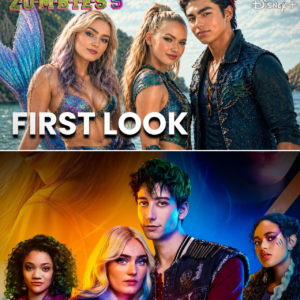
SIRENS OF RAYBURN: HOW ‘ZOMBIES 5’ IS REINVENTING THE DISNEY MUSICAL FORMULA
SOMETHING IS IN THE WATER! 🧜♀️ The Zombies 5 “Mermaids” Teaser just dropped and Rayburn will never be the same! Forget the woods, the real danger is coming from the deep! The “First Look” at Zombies 5: Secrets of the…

BEYOND THE WEDDING: ‘VIRGIN RIVER’ SEASON 8 AND THE SHOCKING REVELATIONS THREATENING THE TOWN’S PEACE
THE SECRET MEL AND JACK NEVER SAW COMING! 🌸 The Virgin River Season 8 “First Look” just changed the game forever! Is the peaceful life in the Redwood Forest about to be shattered? After the emotional rollercoaster of the wedding,…

BEYOND GRIEF: ‘THE MADISON’ SEASON 2 REVEALS A DARKER SIDE OF THE MONTANA SKYLINE
NEW YORK LUXURY MEETS MONTANA GRIT! 🏔️ The Madison Season 2 trailer just dropped, and the Clyburn family’s “healing journey” just took a deadly turn! Wait… did we just see a ghost? The Season 2 teaser for Taylor Sheridan’s “The…

A TIME-TRAVELING TURMOIL: HOW ‘BLOOD OF MY BLOOD’ SEASON 2 IS REWRITING THE OUTLANDER GENEALOGY
THE STONES HAVE SPOKEN! 🪨 The Blood of My Blood Season 2 trailer just shattered every fan theory in the Outlander universe! Wait… did the gemstones just fail at the worst possible moment? The Season 1 cliffhanger left Henry and…
End of content
No more pages to load