🚨 BREAKING: The Game of Thrones Universe Just Got Its BIGGEST Upgrade… And Fans Are Saying It’s Finally In GOOD HANDS! 😱👑🐉
Seven years after that divisive finale left millions raging… Winter is officially COMING to the big screen!
Read more:
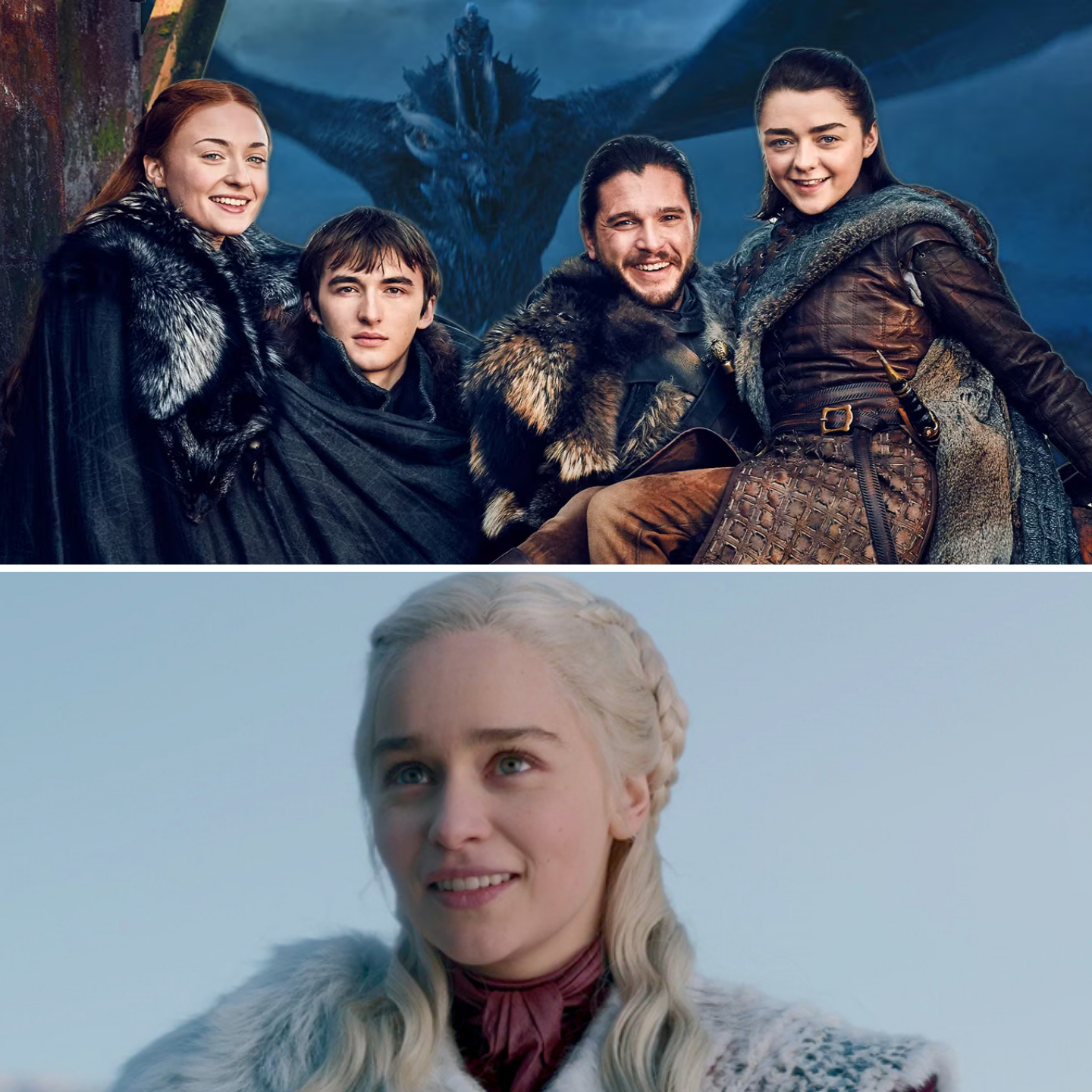
The Game of Thrones franchise, which revolutionized television with its sprawling saga of power, betrayal, and dragons, is expanding beyond the small screen for the first time. Warner Bros. is officially developing a feature film set in George R.R. Martin’s Westeros universe, marking the first major cinematic entry since the HBO series concluded in 2019. The project, reported across major outlets including Page Six Hollywood, Variety, and The Hollywood Reporter in early March 2026, has enlisted acclaimed writer Beau Willimon to pen the screenplay, with an initial draft already submitted and receiving positive internal feedback.
Details remain closely guarded, but sources indicate the film will serve as a prequel, focusing on events roughly 300 years before the events of the original Game of Thrones pilot. The storyline is expected to center on Aegon I Targaryen—known as Aegon the Conqueror—who, alongside his sister-wives Visenya and Rhaenys, united six of the Seven Kingdoms through a campaign of fire and blood, forging the Iron Throne and establishing the Targaryen dynasty that would rule Westeros for generations. This era, chronicled in Martin’s Fire & Blood and referenced throughout the main series and its prequel House of the Dragon, has never been fully depicted on screen, offering fresh territory for exploration.
The choice of Willimon as screenwriter has generated considerable optimism among industry observers and fans alike. Best known as the creator and showrunner of Netflix’s House of Cards, Willimon demonstrated a keen ability to craft morally complex political intrigue, backstabbing alliances, and high-stakes power plays—elements that defined much of Game of Thrones‘ appeal. More recently, his contributions to Star Wars: Andor—particularly writing key episodes in the acclaimed prison arc—showcased his skill in handling large-scale IP with intricate world-building, character depth, and tension without relying on spectacle alone. Insiders at Warner Bros. reportedly expressed enthusiasm for his draft, describing the leadership team as “pumped” about the direction.
This development arrives amid ongoing expansion of Martin’s universe. HBO continues to invest heavily in Westeros content, with House of the Dragon renewed for multiple seasons and A Knight of the Seven Kingdoms earning strong early reception. A separate prequel series focused on Aegon’s Conquest has been in discussion, with writer Mattson Tomlin (The Batman) attached at one point, though it’s unclear if the film and potential series overlap or represent competing visions between HBO and Warner Bros. film divisions. The movie is envisioned as a “Dune”-sized epic, suggesting ambitions for grand-scale production with significant visual effects, dragon battles, and sweeping battles.
The timing comes seven years after Game of Thrones‘ polarizing finale, which divided audiences over its pacing, character arcs, and resolutions. Many fans have called for a return to form, criticizing subsequent projects for uneven quality or deviations from Martin’s source material. By tapping Willimon—a veteran of prestige television with a track record of delivering layered narratives—the studio appears to be prioritizing storytelling credibility over rushed spectacle. His experience adapting dense, political material could help translate Martin’s historical prose into a compelling cinematic experience, avoiding some of the pitfalls that plagued the original series’ later seasons.
No director, cast, or release date has been announced, and the project remains in early development. Warner Bros.’ ongoing corporate dynamics, including potential mergers involving Paramount and Skydance, add uncertainty to timelines and budgets. However, the franchise’s enduring popularity—bolstered by House of the Dragon‘s success—provides a strong foundation. The film could serve as a flagship theatrical entry, potentially drawing in both longtime fans and new audiences eager for Martin’s brand of gritty fantasy.
Martin’s involvement remains indirect at this stage, though he serves as an executive producer on HBO projects and has expressed mixed feelings about adaptations in the past. In recent interviews, he has focused on his ongoing book work, including The Winds of Winter, while acknowledging the challenges of bringing his detailed world to life on screen. The prequel focus on Aegon’s era allows for new characters and events, sidestepping direct comparisons to the original series while building on established lore.
Fan reactions have been cautiously positive, with many praising Willimon’s selection as a sign of serious intent. Online discussions highlight his ability to handle ensemble casts and moral ambiguity, qualities essential for a story involving conquest, incestuous royal dynamics, and dragon warfare. Skeptics point to the risks of big-budget adaptations, citing examples like recent fantasy films that struggled to capture source material’s essence. Still, the consensus leans toward optimism: if executed well, this could be the redemption arc the franchise has sought.
As development progresses, expectations will rise for casting choices—particularly for Aegon, Visenya, Rhaenys, and key figures like Orys Baratheon or the lords who bent the knee or resisted. The film’s scale could demand top-tier talent and effects comparable to Dune or Avatar, positioning it as a major tentpole for Warner Bros.
For a franchise that once dominated cultural conversation, this movie represents a bold step forward. With Willimon steering the script, Game of Thrones appears poised to reclaim its throne on the big screen—proving that, in Westeros and Hollywood alike, the game is never truly over.
News

Beauty in Black Season 3: The End of an Empire and the Rise of a New Order
THE BELLERY EMPIRE IS OFFICIALLY CRUMBLING! 😱 Is Season 3 the Final Stand? If you thought the Season 2 finale was “wild,” you clearly weren’t ready for the absolute CHAOS of that boardroom coup! ♟️ The Belleries are in cuffs,…

The Future of ‘Nemesis’: Will the High-Stakes Crime Thriller Return for Season 2?
IS NEMESIS SEASON 2 FINALLY HAPPENING? The Truth Behind the Netflix Cliffhanger! 🚨 The cat-and-mouse game between Isaiah Styles and Culin Wilder left us ALL in shock—and the internet is officially LOSING IT. 📉 While Netflix is playing coy with…

The Outlander Conundrum: Does the Season 8 Finale Secretly Tease a Feature Film?
IS THIS THE END OF JAMIE AND CLAIRE? The Outlander Finale Secret You Missed! 😱 The credits rolled on Outlander Season 8, but the internet is absolutely SCREAMING. 🗣️ While everyone is debating that “dead or alive” cliffhanger, a massive…

Why ‘The Night Manager’ Remains the Gold Standard of Modern Espionage Thrillers
🚨 THE SPY THRILLER EVERYONE IS OBSESSED WITH IS BACK FROM THE DEAD! 🚨 Forget the flashy gadgets—this is the most “dangerously addictive” game of cat-and-mouse ever filmed, and it’s officially sweeping the charts again! 🌎 Tom Hiddleston and Olivia…

Nate Bargatze and Mandy Moore’s ‘Solo Act’ Hits Home: Why Parents Can’t Stop Watching This New Comedy
🚨 PARENTING LEVEL: CATASTROPHIC! 🚨 We’ve all seen the “super-dad” tropes, but this is the first time a show has dared to show what actually happens when the “Perfect Dad” is left home alone for 72 hours. 😱 Nate Bargatze…

The ‘Man on Fire’ Phenomenon: Why Netflix’s Newest Crime Saga Is Keeping Millions Awake
🚨 FORGET EVERYTHING YOU’RE WATCHING. THE DARKEST THRILLER ON NETFLIX JUST DROPPED AND THE INTERNET IS LOSING ITS MIND! 🚨 If you think you know “revenge,” you’ve seen nothing yet. This isn’t just a crime drama—it’s a psychological descent into…
End of content
No more pages to load