7 Series Finales Worse Than Stranger Things
7 TV finales that were WAY worse than Stranger Things Season 5… and fans are still raging years later 😤📺
Stranger Things just wrapped with a messy, safe, ambiguous ending: Eleven’s “sacrifice” left hanging, no big hero deaths, Vecna going down too easy, plot holes galore, and that cheesy basement nostalgia trip. Fans are calling it underwhelming, rushed, and full of “Conformity Gate” conspiracies.
But hold up—compared to these legendary disasters? Stranger Things looks like a masterpiece. We’re talking finales that nuked entire legacies, killed off fan-faves out of nowhere, retconned years of buildup, and left viewers screaming for reboots.
Full list:
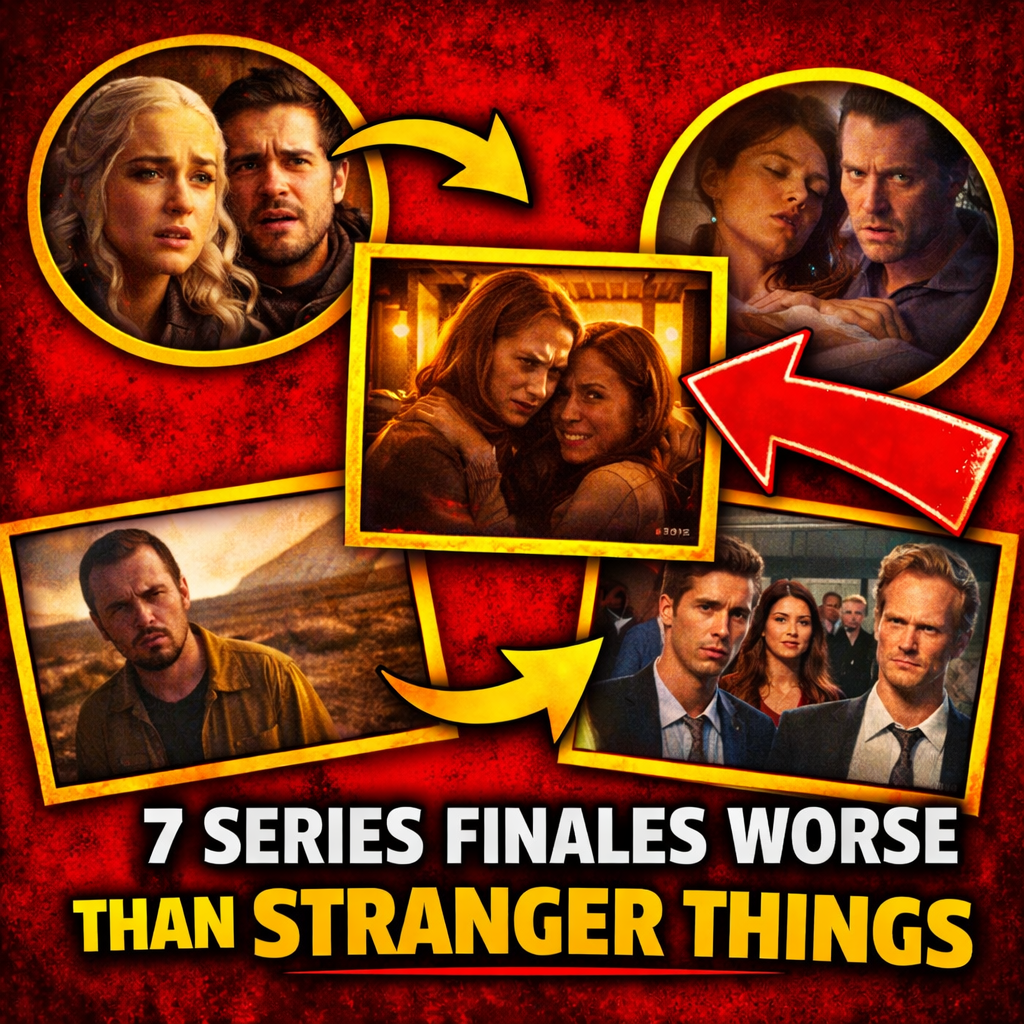
The Stranger Things series finale, “The Rightside Up,” aired on December 31, 2025, capping a nearly decade-long Netflix phenomenon with a sprawling, emotional close. The episode featured an all-out battle against Vecna and the Mind Flayer, Eleven’s apparent sacrifice to seal the Upside Down gates, and a flash-forward epilogue showing the friends moving on—college, new lives, and a nostalgic return to the Wheeler basement for Dungeons & Dragons. While spectacle-heavy and heartfelt in parts, the finale drew heavy criticism: too safe with no major hero deaths, ambiguous fates (especially Eleven’s), easy villain defeats, lingering plot holes, and an overstuffed feel from too many characters.
Fan backlash was swift, spawning theories like “Conformity Gate”—claims of a hidden ninth episode or altered ending for broader appeal. Audience scores dipped, with comparisons to other divisive closes. Yet post-finale analyses from outlets like CBR, Consequence, and Mental Floss argue Stranger Things avoided the pitfalls that doomed other long-running series. Here are seven finales widely regarded as worse, based on fan outrage, critical consensus, and lasting damage to their shows’ legacies.
-
Game of Thrones (Season 8, 2019) HBO’s epic fantasy built unmatched hype over eight seasons, only for the final run to collapse under rushed pacing and illogical choices. Daenerys Targaryen turned mad queen overnight, burning King’s Landing; Jon Snow killed her; and Bran Stark—barely involved in politics—became king. The North’s independence felt tacked on, and character arcs (Arya sailing west, Sansa ruling) seemed unearned. Petitions for a remake hit millions; it remains TV’s most infamous drop-off, with many calling it a betrayal of George R.R. Martin’s source material. Stranger Things’ “safe” ending pales next to this widespread fury.
How I Met Your Mother (Season 9, 2014) After nine seasons teasing the mother’s identity, the finale revealed Tracy McConnell only to kill her off-screen from illness. Ted then pursued Robin—undoing Barney and Robin’s marriage, Ted’s growth, and the entire “mother” premise. Fans felt baited; the show spent its final season building Tracy’s romance, then discarded it. An alternate DVD ending (Tracy lives happily) highlighted the backlash. Unlike Stranger Things’ nostalgic but character-true epilogue, HIMYM retroactively soured years of investment.
Lost (Season 6, 2010) The mystery-box series promised answers to its island enigmas, but the finale shifted to spiritual afterlife focus. Many questions (the island’s origins, Walt’s powers) went unresolved; the “flash-sideways” revealed as purgatory confused viewers. The emotional reunions worked for some, but the tonal pivot from sci-fi adventure to metaphysical soap opera alienated others. Like Stranger Things’ ambiguity around Eleven, Lost left debates—but its scale of unanswered lore made the disappointment deeper.
Dexter (Season 8, 2013) Showtime’s serial-killer drama ended with Dexter faking his death, becoming a lumberjack, and abandoning his son. Critics slammed it as illogical and unsatisfying; Dexter evaded justice despite his code’s violations. The 2021 revival, Dexter: New Blood, tried fixing it by killing him off—but even that drew mixed reactions for plot conveniences. Stranger Things’ no-major-deaths caution feels tame compared to this anti-climactic escape.
Killing Eve (Season 4, 2022) The cat-and-mouse thriller built intense chemistry between Eve and Villanelle, culminating in a long-awaited kiss—only for Villanelle to die violently moments later. Fans accused it of burying its gays, following tropes where queer women find happiness then perish. Author Luke Jennings criticized the adaptation for “bowing to convention.” Stranger Things preserved its queer arcs (Robin, Vickie, Will surviving), avoiding this cruel fate.
Veronica Mars (Season 4, 2019) Revived via fan crowdfunding after cancellation, the noir revival built to Veronica and Logan’s wedding—then killed Logan in a car bomb right after. The abrupt death felt unnecessary and punitive, especially after years of fan campaigns for more. Like Stranger Things’ complaints about sidelined relationships, this erased buildup—but with far harsher emotional whiplash.
Supernatural (Season 15, 2020) The long-running monster-hunter series wrapped its main arc in the penultimate episode, leaving the finale for Dean’s routine-hunt death and Heaven reunion. Fans felt it regressed Dean’s growth; Castiel’s confession went unaddressed on-screen. After 15 seasons of survival against apocalypse-level threats, the mundane end disappointed. Stranger Things’ character-focused close, while divisive, honored bonds without such an underwhelming capstone.
These finales share themes: rushed pacing, character betrayal, unresolved mysteries, or tonal shifts that alienated core audiences. Stranger Things’ ending, while flawed—overlong, cautious, ambiguous—stayed true to its nostalgic, friendship-driven roots. No legacy-shattering twists like Bran’s kingship or Tracy’s death. It provided closure, even if imperfect, dodging the nuclear backlash that still haunts these others.
As spin-offs loom and Stranger Things enters pop-culture immortality, its finale stands as divisive but not disastrous. TV history shows sticking the landing is rare—Stranger Things managed better than most.