Netflix’s One Piece Season 2 Faces Backlash Over Casting and ‘Pandering’ Claims as March 2026 Premiere Looms
🚨 BREAKING: One Piece Season 2 Just Got “Netflixed” – PANDERING to the Modern Audience HARD! The Woke Overhaul Has BEGUN 😱🏴☠️
Straw Hat fans, this hurts… Netflix’s live-action One Piece was the rare anime adaptation that actually respected the source material in Season 1. Oda himself approved everything, no forced changes, no politics – pure pirate adventure.
But Season 2? The teaser dropped and the red flags are everywhere. Casting choices sparking massive backlash (fans calling it “race-swapped” and “woke pandering”), co-stars defending it while hate floods in, episode titles riffing on Hollywood classics like “Big Trouble in Little China” and “Risky Business” – feels like Netflix is injecting their “modern” Hollywood formula.
Vivi’s portrayal dividing the fandom, Chopper going full CGI (costly and risky), and whispers of toning down or tweaking arcs for broader appeal. After Season 1 smashed records by staying faithful, is this the moment Netflix starts “fixing” One Piece for the MoDeRn AuDiEnCe? Will it turn into another sanitized, agenda-driven flop?
The full controversy breakdown below – from racist backlash claims to Oda’s hand-picked cast defense. Is this the end of the golden era or just toxic fan rage? You decide. 🔥
Netflix’s live-action adaptation of One Piece stunned skeptics with its first season in 2023, earning widespread praise for faithfully capturing Eiichiro Oda’s manga spirit while delivering high production values and strong performances. The series topped global viewing charts, proving anime-to-live-action could work when creators prioritized source material over heavy revisions.
Now, with Season 2—titled One Piece: Into the Grand Line—set to premiere March 10, 2026, early teasers and casting reveals have ignited fierce debate. Critics accuse Netflix of shifting toward “pandering to the modern audience,” injecting Hollywood-style changes that risk alienating core fans. Supporters counter that adjustments are necessary for live-action translation and that backlash often veers into toxicity.
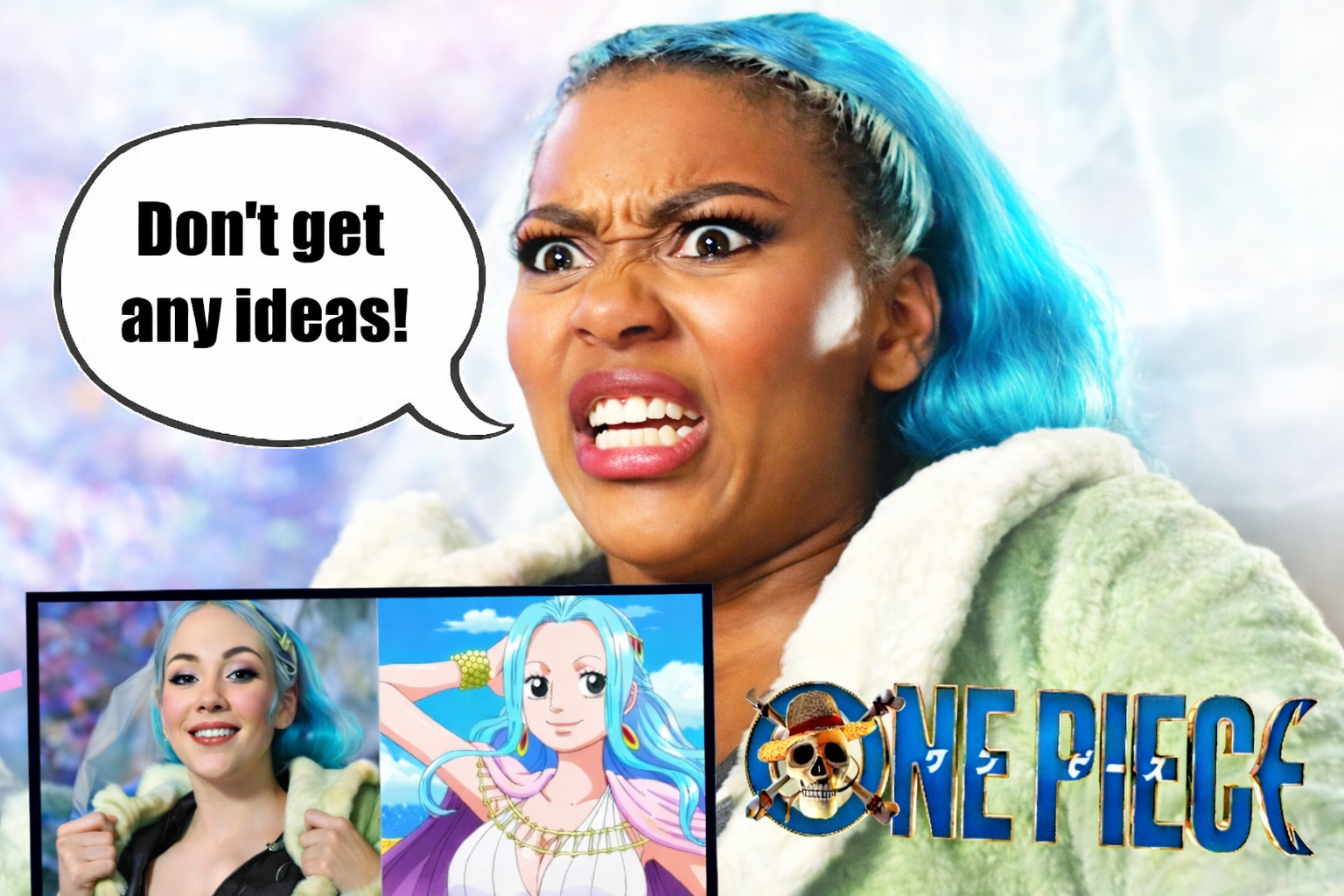
The controversy centers heavily on casting for Nefertari Vivi (Miss Wednesday), portrayed by British-Indian actress Charithra Chandran (Bridgerton). Vivi, princess of the desert kingdom Alabasta, appears in the manga and anime with fair skin and blue hair. Chandran’s casting drew immediate criticism from segments of the fandom, who claimed it deviated too far from the source and accused Netflix of “race-swapping” for diversity points. Social media flooded with complaints, some veering into racist territory, prompting Chandran to share hateful messages she received.
Co-stars rallied in defense. Rob Colletti, playing Wapol, emphasized that Oda personally approved the casting via photos and videos during his set visit, calling the choices “absolutely perfect.” Emily Rudd (Nami) slammed the vitriol, stating hatred toward an actor “for simply doing a job—and job well done at that—is unacceptable.” Iñaki Godoy (Luffy) and others echoed support, framing the backlash as rooted in intolerance rather than legitimate adaptation concerns.
The debate echoes broader live-action anime tensions. Netflix’s track record includes flops like Death Note and Cowboy Bebop, criticized for straying from originals. One Piece Season 1 succeeded by minimizing changes—Oda consulted closely, ensuring fidelity. Season 2 covers the Grand Line entry: Loguetown, Reverse Mountain, Whiskey Peak, Little Garden, and Drum Island, leading into Alabasta (likely saved for Season 3). Eight episodes include titles homage to films like Risky Business (“Whiskey Business”), Big Trouble in Little China (“Big Trouble in Little Garden”), and Deer and Loathing in Drum Kingdom—a nod to Fear and Loathing in Las Vegas.
Production wrapped in early 2025 after filming in South Africa, with a major behind-the-scenes shakeup: co-showrunner Matt Owens stepped away post-production for mental health reasons, calling the six-year journey “life-changing” but intense. Tony Tony Chopper, the reindeer doctor joining the Straw Hats, uses full CGI—costly but necessary for his transformations—contributing to the delay from initial 2025 rumors to 2026.
New cast additions include Joe Manganiello as Crocodile, Lera Abova as Nico Robin, Katey Sagal as Dr. Kureha, and Sendhil Ramamurthy as Nefertari Cobra. Promos tease fiercer adversaries, perilous quests, and increased violence—fitting the Grand Line’s dangers.
Fan reactions split sharply. Supporters praise Netflix for respecting Oda’s vision, with Season 1’s success (95% Rotten Tomatoes audience score) proving faithful adaptations win. Critics, including YouTube reactors and X users, label Season 2 “woke garbage” or “Netflixed,” fearing forced diversity, sanitized elements, or agenda-driven tweaks. Some X posts call it “absolute woke garbage,” linking to reaction videos decrying the teaser.
Oda’s involvement remains a key factor. In letters and visits, he praised the cast and vibe, hand-selecting roles from Japan. Netflix emphasizes collaboration with Oda to avoid past pitfalls.
The delay to March 2026—confirmed after Netflix omitted it from 2025 lineups—allows polishing, especially CGI-heavy Chopper scenes. Industry observers note superhero and adaptation fatigue, but One Piece‘s manga longevity (over 1,000 chapters) demands careful pacing. Season 2’s eight-episode format covers significant ground but risks rushing arcs.
Broader implications loom for Netflix’s anime live-action slate. Success could greenlight more faithful projects; missteps might reinforce skepticism. With Season 3 already announced (August 2025), the franchise’s future hinges on balancing fidelity and accessibility.
For now, the debate rages: Is this evolution or erosion? As the Straw Hats sail into the Grand Line, fans await whether Netflix keeps the magic or succumbs to “modern” pressures.
As one co-star put it amid the storm: The intention is adventure, not division.