🚨 SHOCKING GoT BETRAYAL: 10 GENIUSES the Show DUMBED DOWN to IDIOTS! 😱
You LOVED Game of Thrones… but what if the HBO hacks HID their TRUE BRILLIANCE to make the plot “work”?! 🔥
From a SORCERER PIRATE plotting WORLD DOMINATION… to a STARK GIRL outsmarting LITTLEFINGER himself… these book legends were NEUTERED on screen! The show turned CUNNING MASTERS into Bumbling FOOLS – and fans are FURIOUS!
#1 will make you RAGE-QUIT the series forever… Who’s the SMARTEST victim? You WON’T believe it! 👀💥
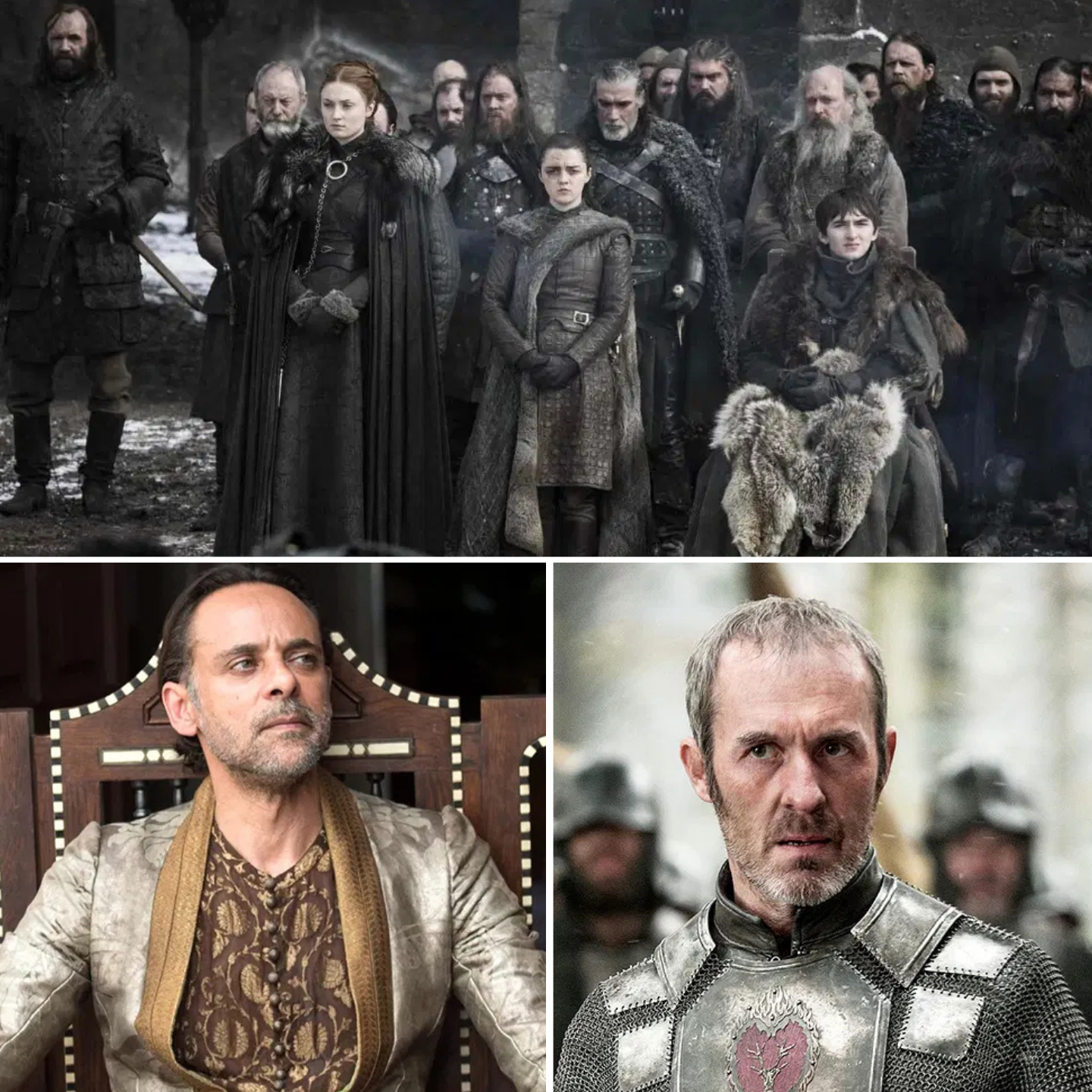
HBO’s Game of Thrones, which aired from 2011 to 2019, became a cultural phenomenon, drawing over 19 million viewers for its finale and earning 59 Emmy Awards. Based on George R.R. Martin’s epic fantasy series A Song of Ice and Fire (ASOIAF), the show adapted five of the planned seven books, introducing Westeros and its intricate web of politics, warfare and intrigue to a global audience. Yet, as the series progressed – particularly after surpassing the published books in Seasons 5 and 6 – many fans and critics noted a shift. Characters who shone as master strategists, subtle manipulators and profound thinkers in the novels often appeared simplified, impulsive or outright diminished on screen. This list examines 10 such figures, drawing from book analyses and fan discussions, highlighting key differences in their portrayals. These changes, while sometimes necessitated by television pacing and budget, arguably robbed the story of its intellectual depth.
10. The Sand Snakes
In Martin’s books, the Sand Snakes – daughters of Prince Oberyn Martell – are a formidable trio of distinct, cunning women who embody Dorne’s fiery spirit with sharp intellects tailored to their personalities. Obara Sand, the warrior, advocates strategic fortifications to defend Dorne against Lannister aggression. Nymeria Sand excels in graceful intrigue and masterminding elaborate plans, while Tyene Sand intriguingly balances pious faith with vengeful zeal, using poison and theology as weapons. Their plot to seize power in Dorne unfolds with layered motivations, showcasing tactical brilliance.
The HBO show, however, reduced them to caricatured “girl power” antagonists: immature, scantily clad siblings indistinguishable from one another, spouting cliched lines like “Bad pussy” during ill-conceived revenge schemes. Their capture and execution felt unearned, stripping away the individual smarts that made them threats. Fans criticized this as a failure to capture their book complexity, turning potential powerhouses into comic relief.
9. Stannis Baratheon
Book Stannis is a rigidly dutiful king wrestling profound internal conflicts between honor and necessity, displaying a bone-dry wit and pragmatic genius. He navigates the War of the Five Kings with calculated risks, like allying with wildlings against the Others, and justifies brutal choices – such as executing smugglers or burning idols – through stoic reasoning. His arc in A Dance with Dragons positions him as a potential savior, torn yet resolute.
On screen, actor Stephen Dillane portrayed a humorless fanatic, overly susceptible to Melisandre’s manipulations, culminating in the infamous child-burning decision that painted him as a one-note villain. The show omitted his strategic depths, like his northern campaigns, making him seem obstinately foolish rather than a tormented tactician. This simplification fueled debates on whether the adaptation favored spectacle over subtlety.
8. Jaime Lannister
Martin’s Jaime evolves from arrogant Kingslayer to introspective anti-hero during his Riverlands journey in A Storm of Swords and beyond. He exhibits caution, honor in small acts – like freeing Tyrion or pondering knighthood’s oaths – and sharp political insight, rejecting Cersei’s madness while grappling with his identity. Readers see a man worthy of redemption, his intelligence shining in moral complexity.
The show’s Jaime (Nikolaj Coster-Waldau) starts promisingly but devolves: his redemption arc stalls with repeated returns to Cersei, culminating in a controversial Season 8 betrayal of Brienne. Omissions like his book reflections and honorable decisions made him appear impulsively lovesick, diminishing his cerebral growth into a plot device for romance and tragedy.
7. Petyr “Littlefinger” Baelish
Littlefinger in the books is an enigmatic chaos agent whose schemes are labyrinthine and unpredictable. He betrays allies seamlessly – from fostering the Stark-Lannister rift to manipulating Lysa Arryn’s murder – always several moves ahead, with hidden motives tied to his obsession with Catelyn. His financial wizardry as Master of Coin bankrupted the crown subtly, showcasing economic genius.
Aidan Gillen’s show version, while charismatic, telegraphed plots overtly for viewer comprehension, leading to his swift downfall at Sansa’s hands. His Vale machinations felt rushed, lacking the book’s opaque brilliance, turning a chess master into a verbose schemer fans found easier to outwit.
6. Mance Rayder
The King-Beyond-the-Wall in ASOIAF is a tactical virtuoso: a former Night’s Watch ranger who unites fractious wildling clans through manipulation and foresight, infiltrating Westeros with decoys and spies. His wildling host nearly sacks Winterfell via subterfuge, prioritizing strategy over brute force.
The show gave Ciarán Hinds limited screen time, portraying Mance as a charismatic but straightforward leader whose “battle” was a ruse revealed too bluntly. His execution and revival felt contrived, erasing the layered manipulator who embodied wildling cunning against southern naivety.
5. Sansa Stark
Book Sansa transforms gradually in King’s Landing and the Eyrie, absorbing courtly intrigue through harsh lessons: navigating Joffrey’s cruelty, Littlefinger’s grooming and Vale politics. By A Dance with Dragons, she’s Alayne Stone, a budding player with intimate knowledge of Westerosi power games.
Sophie Turner’s portrayal emphasized victimhood – raped by Ramsay, advised passively – with her “Queen in the North” rise feeling abrupt post-Ramsay. The show delayed her agency, making her seem perpetually naive rather than the resilient learner Martin crafted.
4. Lord Varys
The Spider’s book loyalty is a riddle: his “for the realm” mantra masks possible backing of Young Griff (Aegon Targaryen), with spies weaving an invisible empire. His ambiguities keep readers guessing, from poisoning Tywin suspicions to faking Aegon’s death.
Conleth Hill’s Varys flip-flopped allegiances predictably – Ned, then Dany, then Jon – culminating in execution for treason. The show clarified his motives too neatly, losing the enigmatic intellect that made him ASOIAF’s ultimate shadow operator.
3. Doran Martell
Prince Doran is a patient chessmaster in the books, his gout-feigned frailty hiding long-game vengeance: plots with Arianne to crown Myrcella, alliances with Aegon and fAegon contingencies. His “fire and blood” whisper reveals calculated fury.
Alexander Siddig’s show Doran was a passive weakling, quickly killed off after ineffectual rule. Dorne’s arc collapsed into farce, excising his suspenseful scheming that promised Dornish resurgence.
2. Barristan Selmy
Ser Barristan’s A Dance with Dragons POV unveils a wise counselor unraveling Meereen’s knots: advising Dany, quelling unrest and reflecting on kings served. His experience makes him a stabilizing genius.
Ian McElhinney’s Bold died unceremoniously to harpies, reduced to swordplay without strategic depth or chapters exploring his mind. The show wasted a living legend’s intellect.
1. Euron Greyjoy
Euron “Crow’s Eye” is ASOIAF’s eldritch terror: a dark sorcerer experimenting on warlocks, wielding Dragonbinder horn for draconic control and eyeing Iron Throne via apocalyptic plots. His Oldtown raid promises cosmic horror.
Pilou Asbæk’s Euron was a crude pirate thug, allying with Cersei via incestuous vibes before a forgettable death. HBO sanitized his otherworldly cunning into generic villainy, missing Martin’s Lovecraftian mastermind.
These portrayals reflect adaptation challenges: condensing Martin’s 5,000+ pages into 73 hours demanded cuts, but often at intelligence’s expense. As Martin awaits The Winds of Winter, fans revisit books for the nuance the show sacrificed. Which character’s downgrade irks you most?