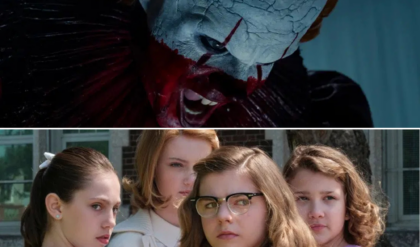
The 2000s weren’t just the decade of flip phones and emo hair… it was HORROR’S GOLDEN ERA.
Think about it: vampires that actually feel tragic, fairy-tale monsters in fascist Spain, fast zombies sprinting through London streets, torture games that changed everything, and ghosts that crawl out of your TV.
From the bone-chilling Let the Right One In (a vampire love story that’ll break your heart and freeze your blood) to Guillermo del Toro’s masterpieces like Pan’s Labyrinth and The Devil’s Backbone, the relentless Saw that birthed a franchise empire, the claustrophobic cave terror of The Descent, the hilarious-yet-horrifying Shaun of the Dead, and brutal foreign shocks like Martyrs and The Orphanage…
Critics and fans still fight over which one reigns supreme. One has near-perfect scores and redefined the genre. Another made you afraid to go camping forever.
These 15 are the absolute best horror films released between 2000 and 2009—no debates, no mercy. The ranking will give you chills just reading it. 🩸🪚👻
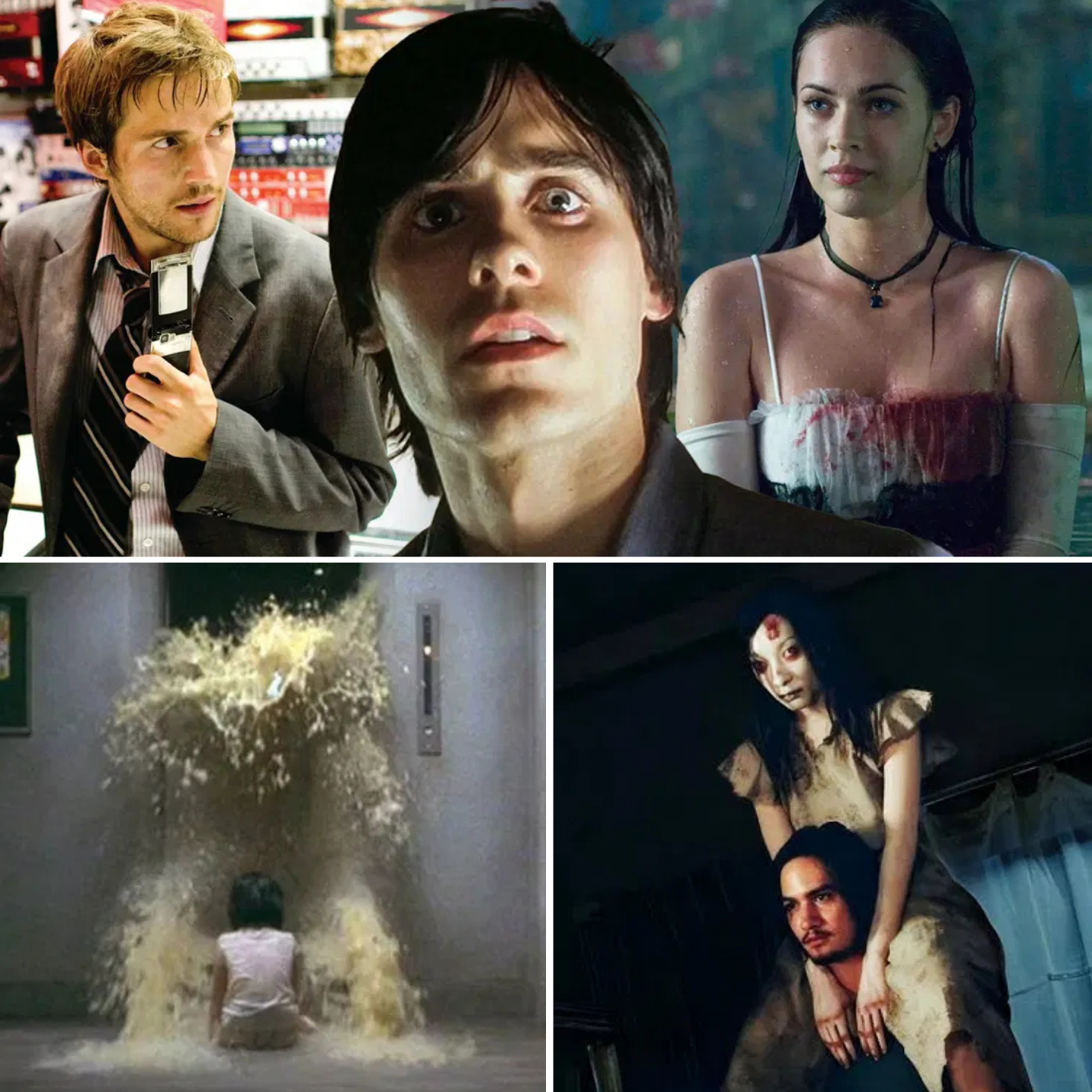
The 2000s marked a transformative period for horror cinema. After the slasher fatigue of the 1980s and the self-aware meta-horror of the late 1990s, the new millennium delivered a diverse wave of films blending psychological depth, social commentary, innovative practical effects, and global influences. International titles from Spain, Sweden, Japan, and France pushed boundaries, while American and British filmmakers revived zombies, introduced torture horror, and explored grief through supernatural lenses.
This ranking draws from critical consensus (primarily Rotten Tomatoes scores and aggregated reviews), audience impact, cultural legacy, and lasting influence on the genre. It focuses on films released between 2000 and 2009 that are primarily horror or horror-adjacent, prioritizing those that stand out for innovation, scares, and storytelling.
-
Saw (2004) James Wan and Leigh Whannell’s low-budget debut introduced Jigsaw (Tobin Bell), a philosophical killer forcing victims into deadly moral games. Confined mostly to one grimy bathroom, the film builds tension through twists and a shocking finale. It launched a billion-dollar franchise but is remembered for its clever puzzle-box structure and minimal gore compared to later sequels. Critics praised its ingenuity despite mixed views on violence.
The Strangers (2008) Bryan Bertino’s home-invasion nightmare draws from real-life randomness: masked intruders terrorize a couple in a remote house “because you were home.” Liv Tyler and Scott Speedman deliver raw fear amid sparse dialogue and creeping dread. Its simplicity amplifies unease, influencing later entries like You’re Next. It holds strong cult status for realistic terror.
The Orphanage (2007) J.A. Bayona’s Spanish ghost story, produced by Guillermo del Toro, follows a mother (Belén Rueda) returning to her childhood orphanage with her adopted son. When the boy vanishes, supernatural forces emerge. Atmospheric and emotionally devastating, it blends grief with classic haunted-house tropes. High critical acclaim highlights its heartfelt scares over cheap jumps.
28 Days Later (2002) Danny Boyle’s fast-zombie reinvention stars Cillian Murphy awakening in a deserted London overrun by rage-infected humans. Shot on digital video for gritty realism, it mixes apocalyptic dread with character-driven survival. Critics lauded its energy and social commentary on rage and isolation, kickstarting a subgenre revival.
Paranormal Activity (2007) Oren Peli’s found-footage micro-budget phenomenon follows a couple documenting demonic activity in their home. Released wide in 2009 after festival buzz, its slow-burn realism and night-vision scares made it a sleeper hit. It popularized the low-cost horror model and influenced countless imitators.
The Descent (2005) Neil Marshall’s claustrophobic cave horror traps six women in an uncharted system with blind, humanoid predators. Graphic body horror and group dynamics deliver unrelenting tension. Its all-female cast and practical creatures earned praise as a modern survival classic, though some debate the U.S. ending’s tone.
Shaun of the Dead (2004) Edgar Wright’s zom-com blends Romero-style apocalypse with British rom-com humor. Simon Pegg’s slacker rallies friends against undead hordes while fixing his life. Critics celebrated its witty script, sharp editing, and heartfelt core, proving horror could be funny without losing edge.
The Host (2006) Bong Joon-ho’s monster movie features a giant amphibious creature emerging from Seoul’s Han River, abducting a girl and sparking family chaos. Blending satire, action, and emotion, it critiques government incompetence and environmental neglect. High Rotten Tomatoes scores reflect its genre mastery and global appeal.
Drag Me to Hell (2009) Sam Raimi’s gleeful return to horror curses loan officer Christine (Alison Lohman) after denying an old woman a mortgage extension. Demonic torment ensues with vomiting goats, fly swarms, and slapstick cruelty. Praised for practical effects and unapologetic nastiness, it’s seen as Raimi reclaiming his roots.
The Devil’s Backbone (2001) Guillermo del Toro’s Spanish Civil War ghost tale follows a boy in an orphanage haunted by a spectral boy and wartime horrors. Atmospheric and poignant, it explores fascism, loss, and innocence. Critics hail its emotional depth and visual poetry as one of del Toro’s finest.
Pan’s Labyrinth (2006) Del Toro’s dark fairy tale intertwines a girl’s mythical quests with brutal post-Civil War reality. Stunning creatures, practical effects, and themes of obedience versus rebellion earned widespread acclaim, including Oscars. It’s often called a horror-fantasy masterpiece for blending beauty with brutality.
Pulse (Kairo) (2001) Kiyoshi Kurosawa’s Japanese tech-horror warns of internet ghosts invading the living world, causing isolation and suicide. Haunting empty rooms, red tape, and existential dread make it prescient. Critics praise its atmospheric terror and commentary on digital loneliness.
The Ring (2002) Gore Verbinski’s American remake of Ringu popularized the cursed videotape and Sadako-like Samara. Naomi Watts investigates after her niece dies watching it. Its moody visuals and iconic well scene boosted J-horror remakes. Strong box office and influence cement its place.
Let the Right One In (2008) Tomas Alfredson’s Swedish vampire story centers on bullied Oskar and enigmatic Eli. Mixing tender coming-of-age with bloody violence, it subverts tropes with emotional realism. Near-perfect Rotten Tomatoes score reflects its intelligent scares and heartbreaking performances.
Let the Right One In (2008) (Top Spot) Frequently topping decade lists, this film stands out for reinventing vampires through loneliness and codependency. Its slow pace, wintry atmosphere, and refusal of easy horror tropes make it enduringly influential. It proves the 2000s excelled when horror prioritized story and character over shocks.
The 2000s gave horror renewed credibility: international voices expanded the genre, practical effects thrived before CGI dominance, and films like these influenced modern hits from Get Out to The Conjuring. Whether through slow dread or visceral thrills, the decade proved terror could be thoughtful, terrifying, and timeless.