Japanese horror just hit a new level of nightmare fuel in the 21st century… and one of them has a PERFECT 100% Rotten Tomatoes score that will make you question reality.
Forget the old ghosts—J-horror evolved into something darker, smarter, and way more twisted since 2000. We’re talking cursed hair extensions that turn you into a killer, a single-take zombie apocalypse that’s secretly genius meta, revenge plots that end in schoolroom slaughter, and slow-burn dread that crawls under your skin and stays there.
From One Cut of the Dead (the zombie comedy-horror miracle that fooled everyone) to Confessions (the teacher’s brutal takedown that feels like a gut punch), Dark Water (the dripping apartment from hell), Noroi: The Curse (found-footage so real you’ll check your own apartment), and classics like Pulse (internet ghosts haunting your soul) and Ju-On: The Grudge (that crawling curse that never dies)…
These 15 are the highest-rated Japanese horrors of the last 25 years—critics and fans agree they’re elite-level terrifying. But which one tops the list as the undisputed king? (Hint: It’s not what you think.)
The ranking will haunt you long after you close the tab. 👻📼🩸
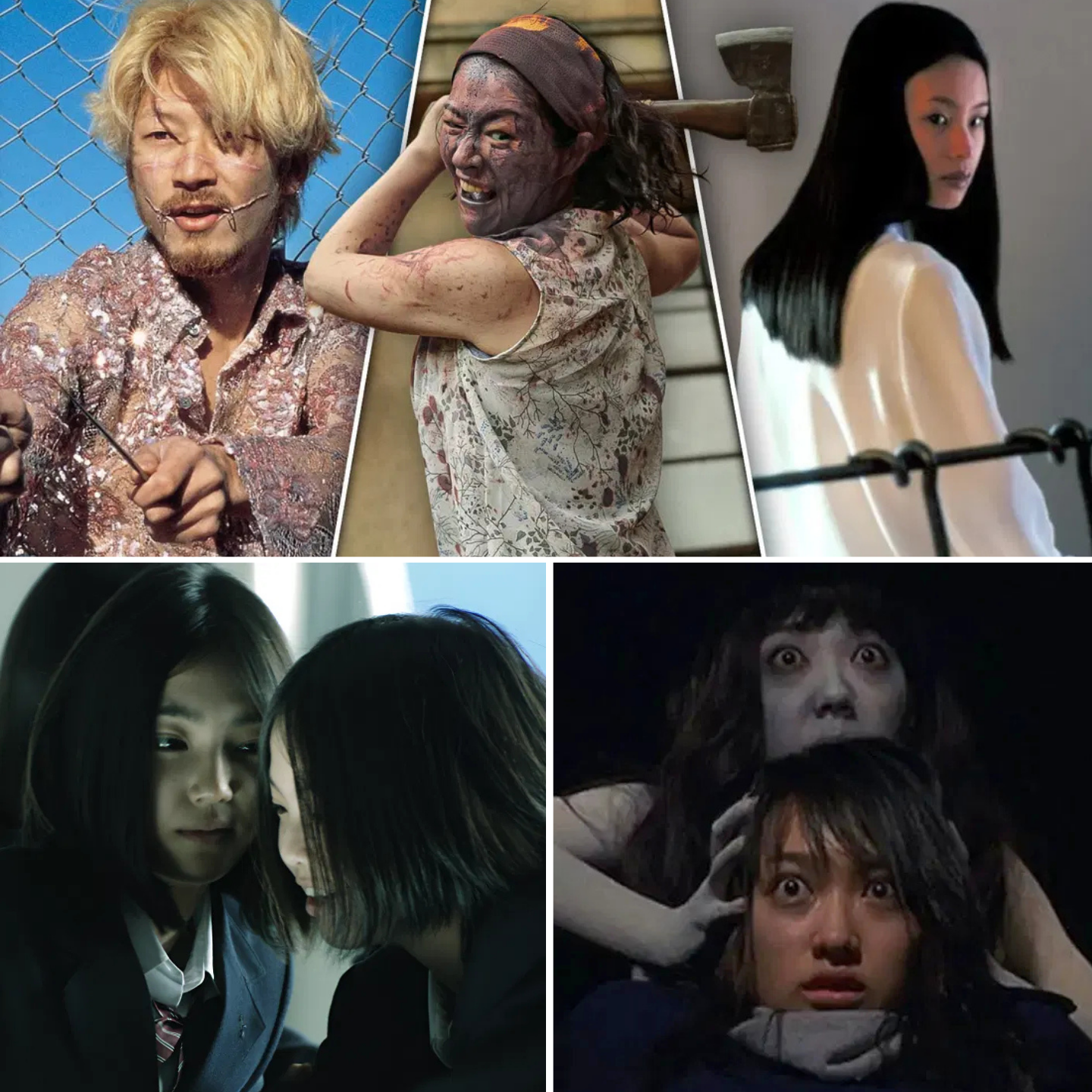
Japanese horror, or J-horror, exploded globally in the late 1990s and early 2000s with films like Ringu and Ju-On: The Grudge, which inspired Hollywood remakes and introduced Western audiences to slow-building dread, vengeful spirits, and psychological terror rooted in everyday fears. While the genre’s peak wave crested around 2005, Japanese filmmakers continued delivering acclaimed entries through the 2010s and into the 2020s, blending found-footage realism, body horror, social commentary, and innovative twists on classic tropes.
This ranking draws from critical consensus (primarily Rotten Tomatoes and IMDb scores), audience reception, and lasting cultural impact for horror films released from 2000 onward. It focuses on pure or primarily horror works, excluding borderline cases like action-heavy thrillers unless horror dominates. Note that some early-2000s classics (like Audition from 1999) fall just outside this century cutoff, but the list captures the genre’s evolution post-millennium.
-
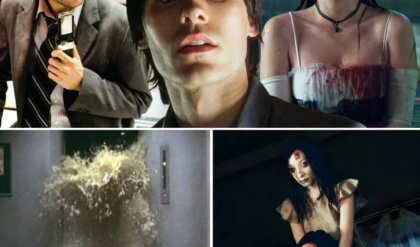
Exte: Hair Extensions (2007) Directed by Sion Sono, this bizarre body-horror tale follows cursed hair extensions grown from a corpse’s endless locks, driving wearers to violence. Blending fetishism, class anxiety, and grotesque practical effects, it’s divisive but praised for its audacious weirdness. Critics note its uneven tone, but fans appreciate Sono’s signature excess. It holds solid cult status among extreme horror enthusiasts.
Infection (2004) Masayuki Ochiai’s hospital nightmare involves a deadly virus unleashed after a cost-cutting error, turning staff and patients into zombies. Part medical thriller, part gore-fest, it delivers tense claustrophobia and moral dilemmas. While not groundbreaking, its practical makeup and escalating chaos earned praise as a solid mid-2000s entry.
Uzumaki (2000) Higuchinsky’s adaptation of Junji Ito’s manga spirals into obsession with curls and spirals that curse a town. From hair to tornadoes to grotesque body contortions, the film’s surreal visuals and creeping dread make it a standout in manga-to-film horror. Some criticize pacing, but its unique imagery endures.
Confessions (2010) Tetsuya Nakashima’s revenge thriller unfolds through a teacher’s chilling classroom monologue about her daughter’s murder and her calculated payback. Structured as interlocking confessions, it builds unbearable tension with themes of bullying and justice. High critical acclaim highlights its emotional brutality and sharp editing.
Suicide Club (2001) Sion Sono’s controversial opener shows schoolgirls leaping in front of trains en masse, sparking a wave of copycat suicides tied to pop culture. Graphic, satirical, and unsettling, it critiques conformity and media influence. Its bold style divides viewers, but it’s frequently cited for raw impact.
Noroi: The Curse (2005) Koji Shiraishi’s mockumentary follows a paranormal investigator uncovering a demonic curse linked to ancient rituals. Blending real-feeling interviews, grainy footage, and escalating horror, it’s often called one of the scariest found-footage films ever. Its slow reveal and lingering unease give it enduring reputation.
Pulse (Kairo) (2001) Kiyoshi Kurosawa’s masterpiece warns of internet isolation manifesting as ghostly invaders from the digital void. Haunting visuals of empty rooms, red-taped doors, and existential despair make it a landmark in tech-horror. Critics laud its atmospheric terror and prescient commentary on loneliness.
Dark Water (2002) Hideo Nakata’s follow-up to Ringu centers on a divorced mother and daughter in a leaky apartment haunted by a watery ghost. Subtle, emotional, and dripping with dread, it excels in psychological realism and maternal fear. Widely regarded as one of the purest ghost stories in modern horror.
Ju-On: The Grudge (2002) Takashi Shimizu’s non-linear tale of a cursed house where rage births an unstoppable yurei (ghost) that claims anyone entering. The iconic crawling Kayako and creaking sounds became global icons. Its fragmented structure amplifies inescapable doom.
Ichi the Killer (2001) Takashi Miike’s ultraviolent yakuza saga follows a sadomasochistic killer and his boss’s revenge quest. Graphic torture and black comedy push boundaries, earning bans in some countries. It’s polarizing but celebrated for raw energy and Miike’s fearless style.
Gozu (2003) Another Miike oddity: a yakuza enforcer transports a corpse that leads to surreal, Lynchian descent into madness. Hallucinatory imagery, bizarre sexuality, and shocking finale make it a cult gem for those seeking weird horror.
Audition (1999/2000 international release) – Often grouped here due to its 2000s impact; Takashi Miike’s slow-burn turns from romance to torture. A widower’s fake audition uncovers a deranged woman. Its final act is legendary for brutality and psychological depth.
One Cut of the Dead (2017) Shinichiro Ueda’s low-budget zombie comedy-horror begins as a disastrous single-take shoot before revealing a brilliant meta twist. With a perfect 100% on Rotten Tomatoes, it revitalized the zombie genre through ingenuity and heart.
Cure (1997/early 2000s influence) – Kiyoshi Kurosawa’s hypnotic serial-killer tale uses mesmerism to unleash violence. Though technically pre-2000, its 21st-century reevaluation cements it as foundational J-horror.
One Cut of the Dead (2017) (Tied/Top Spot for Modern Era) Often hailed as the pinnacle of 21st-century Japanese horror, this film’s clever structure, budget creativity, and blend of scares with satire make it a standout. It proves J-horror can innovate and entertain on any scale.
J-horror’s 21st-century output shows resilience: from tech fears in Pulse to social satire in Confessions and inventive low-budget triumphs like One Cut. Directors like Kurosawa, Miike, and Sono keep pushing boundaries, ensuring the genre remains a global force in terror.