🚨 The moment that just shattered everything in Episode 4… and it’s not the fight you expected 😱⚔️🔥
Rain pouring. Dunk standing alone, begging for true knights. One by one, they turn away. Then betrayal hits from the last person he trusted…
His team is broken. The Trial of Seven looks impossible. Aerion smirks like victory is already his.
But right when despair sets in… the gates open. A figure in shining armor rides out. The music swells — that familiar Game of Thrones theme hits like thunder.
And everything changes.
One prince just chose a hedge knight over his own blood. Brothers against brothers. Father against son. For honor? For justice? Or something that could doom House Targaryen forever?
This ending isn’t just epic — it’s loaded with prophecies, betrayals, and hints at the fires to come. Summerhall? The end of dragons? Or the birth of a new kind of knight?
You HAVE to see the full breakdown before Episode 5 drops. Click the link below NOW to uncover what Baelor’s choice REALLY means, who fights whom, and why this moment echoes through the entire saga.
Trust me… once you understand the stakes, the next trial will hit 10x harder. 👀💀
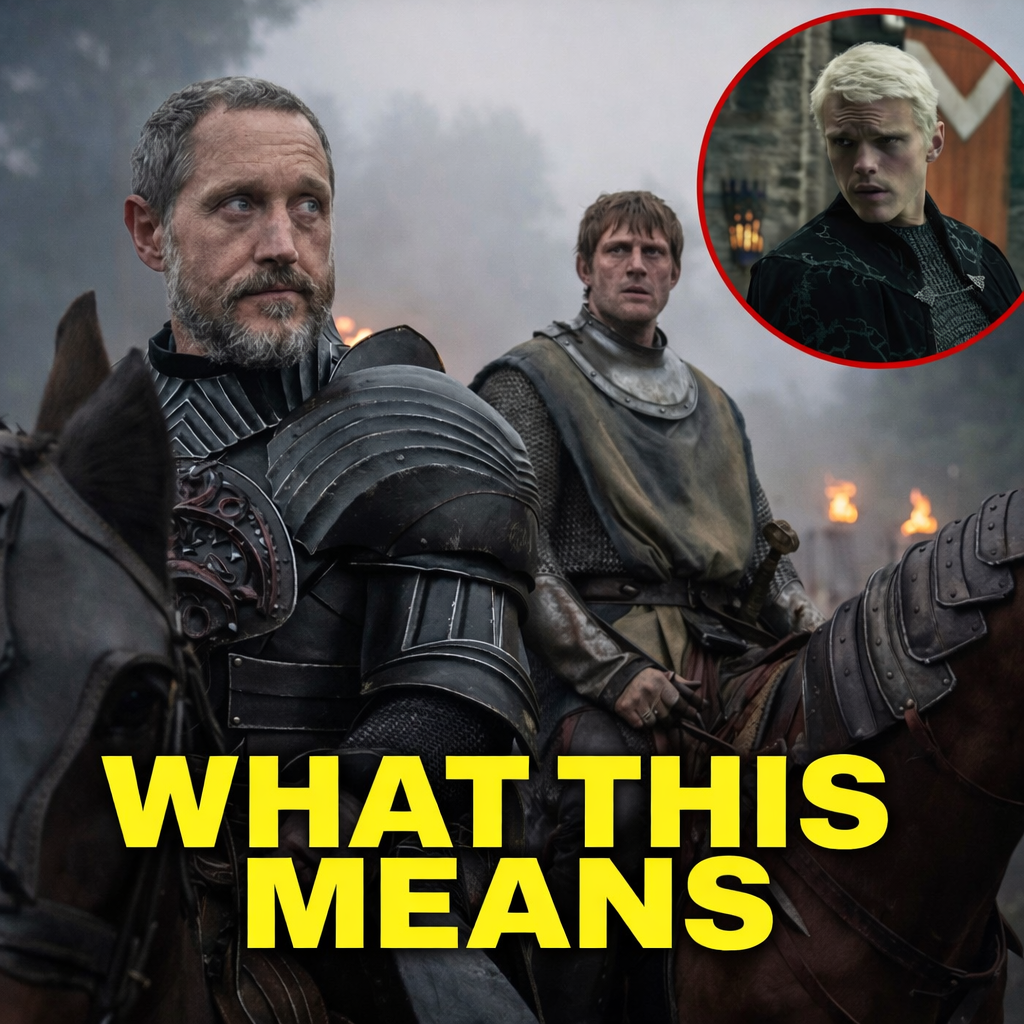
The fourth episode of HBO’s A Knight of the Seven Kingdoms, titled “Seven,” builds tension around Ser Duncan the Tall’s fate after his assault on Prince Aerion Targaryen. What starts in a rain-soaked dungeon ends on a muddy field with one of the series’ most dramatic twists: Prince Baelor “Breakspear” Targaryen, heir to the Iron Throne and Hand of the King, volunteers to fight for Dunk in the Trial of Seven — against his own kin.
The episode opens with Dunk imprisoned for striking Aerion in defense of puppeteer Tanselle Too-Tall. Egg visits, apologizing for his deception about being Prince Aegon Targaryen. Dunk forgives the boy but remains furious at the lies that led to his predicament. Summoned before Baelor, Dunk defends Egg as well-intentioned, earning quiet respect from the prince. Baelor explains the charges: Aerion demands severe punishment for the public humiliation, while Daeron falsely accuses Dunk of kidnapping Egg.
Baelor offers Dunk a path: invoke trial by combat, letting the gods decide guilt. Dunk agrees, but Aerion escalates by demanding a Trial of Seven — an ancient, rarely used Andal custom where seven champions per side battle until one side yields or dies. Even Maekar, Aerion’s father, calls it outdated, but Aerion insists, confident Dunk — a lowborn hedge knight — cannot assemble six worthy fighters.
Dunk’s plea to the assembled knights exposes Westeros’ hollow chivalry. Many decline, citing fear of royal retribution. Some mock him. Ser Raymun Fossoway and a few others commit, but numbers fall short. The betrayal by Ser Steffon Fossoway — who switches to Aerion for a bribe promising land and status — leaves Dunk with only five champions, facing certain defeat or mutilation.
As Dunk stands exposed on the field, rain still falling, he cries out: “Are there no true knights among you?” The question hangs heavy, underscoring the episode’s theme — true knighthood versus noble privilege. Just as despair peaks, hoofbeats sound. Baelor rides in full armor, declaring he will stand as Dunk’s seventh. The crowd erupts. The Game of Thrones theme plays, amplifying the moment’s weight.
Baelor’s decision shocks everyone. As Hand, he prioritizes the King’s Peace and justice over family. He tells Maekar and Aerion that Dunk protected the innocent — fulfilling a knight’s oath — while Aerion punished mercy with cruelty. By joining Dunk, Baelor ensures no outcome tarnishes the crown completely: a Targaryen wins either way. Yet it pits him against his brother Maekar and nephew Aerion, risking death and deepening Targaryen fractures.
Showrunner Ira Parker explained in interviews that Baelor acts from genuine honor, seeing Dunk as embodying the knighthood many nobles lack. His choice validates Dunk as a “true knight” despite low birth, contrasting Aerion’s entitlement. It also serves political ends — quelling public outrage over Aerion’s brutality and preserving Targaryen legitimacy.
Daeron’s earlier dream — Dunk beneath a massive dead dragon, wings covering the meadow, fire raging — adds foreboding. Interpretations vary: it could foreshadow Baelor’s fatal wounds in the trial (historically, he dies defending Dunk), the Tragedy at Summerhall (Aegon V’s fiery end), or symbolic Targaryen downfall. The vision ties the personal stakes to larger destiny.
The ending reinforces Martin’s themes: honor is rare and costly in a world ruled by power. Baelor, named after the pious Baelor the Blessed, represents an ideal Targaryen — just, scholarly, merciful — yet his stand risks everything. Dunk gains hope but faces a deadly melee. Egg watches his family divide, foreshadowing his future reforms as king.
In the books, the Trial of Seven sees Baelor mortally wounded by Maekar’s lance, dying soon after. Maekar, guilt-ridden, allows Egg to squire for Dunk humbly. The show may alter details, but the ending sets up high stakes: family betrayal, prophetic doom, and the clash between true chivalry and Targaryen exceptionalism.
Episode 4’s close transforms a hedge knight’s trial into a referendum on knighthood itself. Baelor’s entrance isn’t mere heroism — it’s a fracture in House Targaryen that echoes through generations. As swords prepare to clash, viewers see how one man’s choice for justice could alter the realm’s course, proving even dragons bleed when honor demands it.
News
THE TITAN SLAYER: New ‘Infinite Stun’ Meta Reveals How to Bully Crimson Desert’s Most Overwhelming Bosses
STOP GETTING BULLIED BY OVERWHELMING BEINGS! ⚔️🔥👹 Are the Forgotten General or Belellith flattening you like a runaway train? The “Infinite Stun” and “Volcanic Archer” metas are officially here to save your playthrough! 🚨 The Crimson Desert community is reeling…
DEADLY ELEGANCE: ‘Elegant Carmine’ Armor Blueprint Discovered for Damiane After High-Stakes Jungle Raid
UNLEASH THE ELEMENTAL PRINCESS: DAMIANE’S CARMINE ARMOR FOUND! 🎭🛡️✨ Stop letting Damiane wear basic gear! The blueprint for the ultra-rare Elegant Carmine Leather set has finally been located—but beware, this treasure is buried deep in a trap-filled cave! 🚨 The…
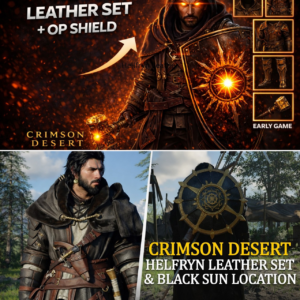
HIDDEN IN THE HIERARCHY: Why Most Players Will Never Find the Insane Hellfryn Armor Set in Crimson Desert
THE RAREST ARMOR IN PYWEL HAS BEEN FOUND! 🛡️🌑🔥 Have you walked through Deinus a dozen times and still missed this “Ghost” set? The secret to the Hellfryn Armor and Black Sun Shield is finally DECODED! 🚨 The Crimson Desert…
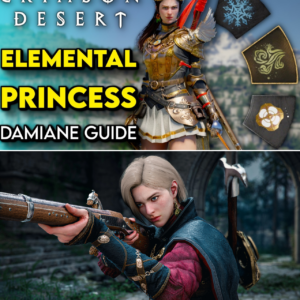
BEYOND THE PROTAGONIST: Damiane’s ‘Elemental Princess’ Build Is Officially Nuking the Crimson Desert Meta
MOVE OVER KLIFF, THE PRINCESS IS HERE! 👑🛡️❄️ Everyone is obsessed with Kliff, but have you seen what a maxed-out Damiane can do? This “Elemental Princess” build is literally breaking the game! 🚨 The Crimson Desert community is losing its…
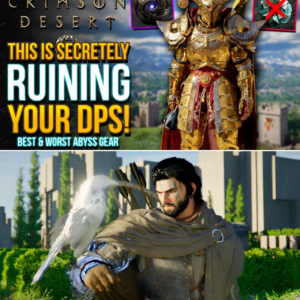
THE POWER PARADOX: Why Overstacking Abyss Gear is Quietly Killing Your Damage in Crimson Desert
DON’T RUIN YOUR CHARACTER! 🌀😱🚫 Warning: Overstacking Abyss Gear might actually NUKKE your DPS and drain your resources in seconds. Do you know which powers are actually TRASH? 🚨 The Crimson Desert community is buzzing after a shocking discovery: The…
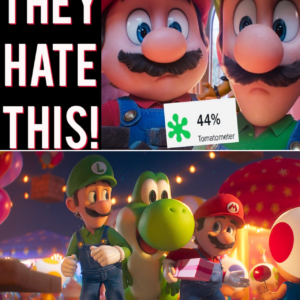
KOOPA CRITICAL CONDITION: Critics Slam ‘Super Mario Galaxy’ as ‘Toxic,’ While Fans Power-Up a Record $350M Opening
BOWSER IS “TOXIC”? CRITICS ARE OFFICIALLY LOSING THEIR MINDS! 🐢🍄 The Super Mario Galaxy Movie just hit theaters, but the “expert” reviews are reading like a political manifesto! While fans are driving a massive $350M opening, professional critics are busy…
End of content
No more pages to load