A Knight of the Seven Kingdoms: How Did Baelor Save Ser Duncan Twice? Explained
Just when it looked like the lowborn fighter was doomed—outnumbered, accused, facing royal fury—one of the realm’s most powerful princes stepped forward in a moment that shocked everyone. He didn’t just join the fight… he turned the tide twice to keep the innocent alive.
You think you know the full story from the books… but the show’s brutal twists hit different 👇🔥
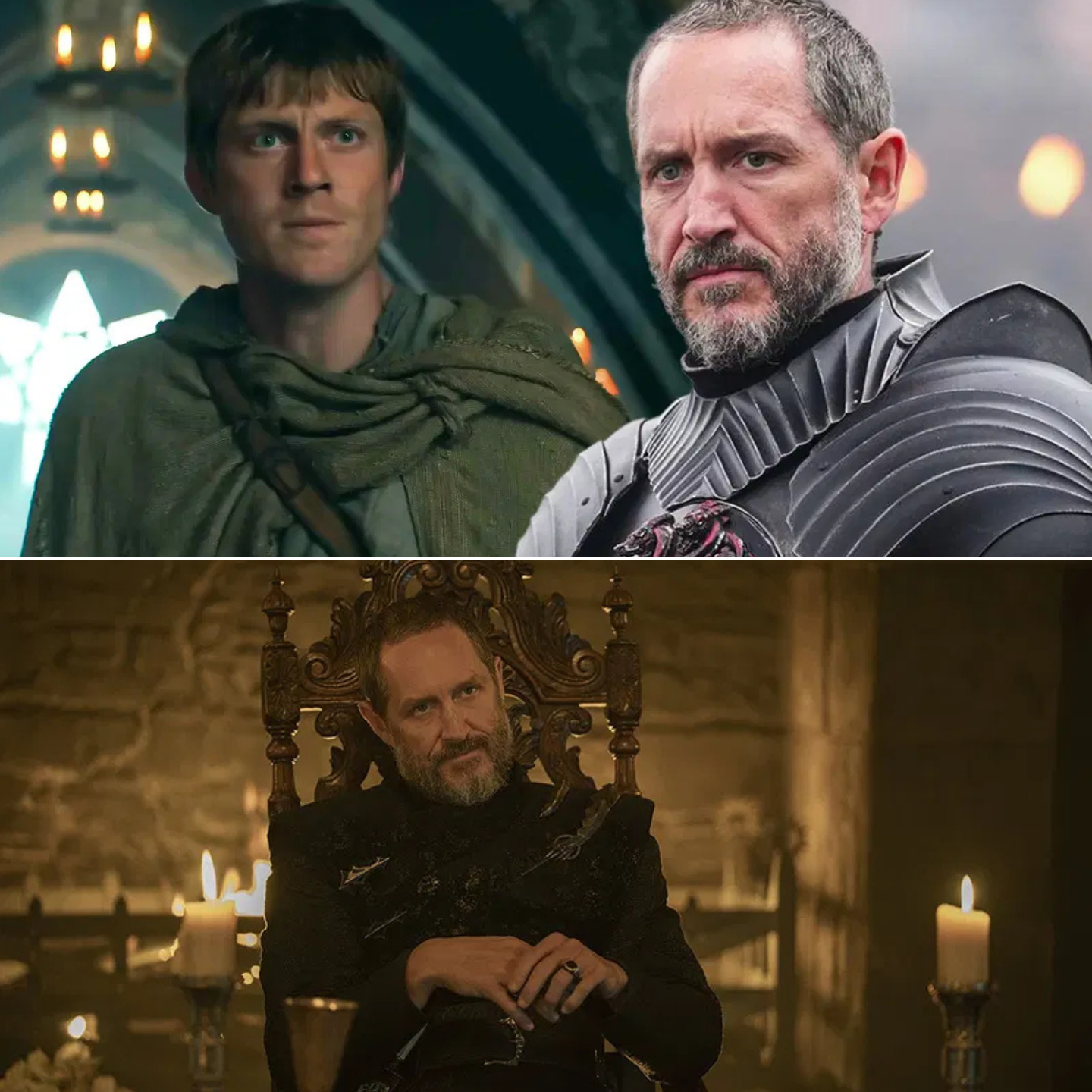
HBO’s A Knight of the Seven Kingdoms delivered one of its most emotionally charged sequences in the recent episodes centered on the Trial of Seven, a rare and massive trial by combat that pitted a humble hedge knight against a volatile Targaryen prince. Amid the mud, blood, and clashing steel at Ashford Meadow, a high-ranking Targaryen prince made a fateful choice to defend the accused lowborn fighter—not once, but twice—ultimately at the cost of his own life.
The events, drawn from George R.R. Martin’s novella The Hedge Knight (the first in the Tales of Dunk and Egg series), highlight themes of true knighthood, justice over blood ties, and the fragility of honor in Westeros. While the show remains largely faithful, certain visual and dramatic emphases amplify the prince’s interventions, making his sacrifices even more poignant on screen.
The First Save: Stepping Into the Trial
The hedge knight finds himself in dire straits after intervening to protect a puppeteer from cruel punishment by a Targaryen prince during a tournament. Accused of assaulting royalty, he demands a trial by combat—but the accuser escalates it to a Trial of Seven, requiring seven champions per side. As the knight struggles to assemble allies, it appears his cause is hopeless; few are willing to risk royal wrath for a wandering fighter with questionable knighthood credentials.
In a pivotal moment, just as despair sets in, the prince—heir to the Iron Throne and a respected warrior known for his sense of justice—steps forward. He declares for the defense, overriding family loyalty and shocking the assembled nobles. This act alone ensures the trial can proceed fairly rather than devolving into summary punishment. Without his intervention, the hedge knight likely faces execution or mutilation, as the royal accuser holds overwhelming influence.
The prince’s decision stems from a belief in chivalric ideals: protecting the innocent, regardless of station. In both book and show, he questions whether true knights remain in the realm, echoing the hedge knight’s own desperate plea. His choice places him in direct opposition to his brother and nephew, underscoring a moral stand over dynastic solidarity. Fans have praised this as a defining Targaryen moment—one where honor trumps blood—a rarity in the family’s often tumultuous history.
The Second Save: A Life-Saving Intervention After Battle
The Trial of Seven unfolds as a brutal, chaotic melee. The hedge knight endures severe wounds, including lance strikes and repeated blows, yet persists through sheer will. Allies fall around him, but the defense prevails when the accuser yields after a grueling one-on-one duel in the mud.
In the aftermath, as the hedge knight receives treatment for his injuries, a blacksmith suggests a harsh medieval remedy: pouring boiling oil into the wounds to cauterize and prevent infection—a common but excruciating and risky practice that could easily kill the weakened fighter. The prince, still present despite his own battle fatigue, intervenes decisively. He corrects the suggestion, opting for safer methods and ensuring the hedge knight survives the immediate post-battle care.
This second act of salvation, subtle in the source material but highlighted in fan discussions (including popular Reddit threads), prevents what could have been a fatal complication. It reinforces the prince’s role as a protector, extending beyond the battlefield to practical mercy. The show reportedly portrays this moment with added tension, emphasizing the hedge knight’s vulnerability and the prince’s quick thinking.
The Tragic Cost and Aftermath
Both saves come at immense personal cost. During the Trial, the prince sustains a catastrophic head injury—likely from his brother’s mace in the frenzy of combat. The blow crushes the back of his helm and skull, but the damage remains hidden until removal. He collapses, uttering final words praising his brother’s strength even in death, before dying in the hedge knight’s arms.
This fulfills an earlier prophetic dream described by another Targaryen: a dead dragon falling upon the hedge knight, yet the fighter survives. The prince’s demise—symbolized by the “dead dragon”—proves bittersweet. The hedge knight is exonerated and gains royal favor, but the realm loses its capable heir apparent, shifting succession and sowing seeds for future instability.
The death scene, lifted directly from Martin’s text, hits hard on screen. The hedge knight’s grief, repeated pleas for the prince to “get up,” and the visual of a fallen champion underscore the pyrrhic nature of victory. Production choices amplify the tragedy: slow-motion impacts, the prince’s labored breathing, and the emotional weight of his final moments.
Why These Moments Matter
The prince’s double intervention illustrates core themes in Martin’s early Westeros tales: genuine knighthood transcends birthright, and small acts of justice can alter history. His choices elevate the hedge knight from outcast to a figure of promise, setting the stage for future adventures with his squire. Yet they also foreshadow darker paths for House Targaryen, as the loss weakens a stabilizing influence.
Fan reactions have been intense. Online forums buzz with praise for the portrayal, with many noting how the show makes the saves more visually impactful while staying true to the novella. Some viewers argue the second save adds emotional depth, humanizing the prince further. Purists appreciate the fidelity, though note the adaptation’s emphasis on spectacle heightens the drama.
Comparisons to the broader Game of Thrones universe are inevitable. The Trial of Seven echoes later combats, but here the focus remains intimate—personal honor over grand politics. The prince’s stand against family excess contrasts with other Targaryen figures, offering a glimpse of what might have been under wiser rule.
As the series continues adapting Martin’s novellas, these events plant seeds for ongoing stories: the hedge knight’s service, regional conflicts, and lingering Targaryen tensions. The prince’s sacrifices remind viewers that in Westeros, true heroism often demands the highest price.
In an era of spectacle-driven fantasy, A Knight of the Seven Kingdoms stands out for grounding epic stakes in individual choices. The hedge knight survives thanks to a prince who chose right over blood—twice—and the realm pays dearly for it.
News
THE TITAN SLAYER: New ‘Infinite Stun’ Meta Reveals How to Bully Crimson Desert’s Most Overwhelming Bosses
STOP GETTING BULLIED BY OVERWHELMING BEINGS! ⚔️🔥👹 Are the Forgotten General or Belellith flattening you like a runaway train? The “Infinite Stun” and “Volcanic Archer” metas are officially here to save your playthrough! 🚨 The Crimson Desert community is reeling…
DEADLY ELEGANCE: ‘Elegant Carmine’ Armor Blueprint Discovered for Damiane After High-Stakes Jungle Raid
UNLEASH THE ELEMENTAL PRINCESS: DAMIANE’S CARMINE ARMOR FOUND! 🎭🛡️✨ Stop letting Damiane wear basic gear! The blueprint for the ultra-rare Elegant Carmine Leather set has finally been located—but beware, this treasure is buried deep in a trap-filled cave! 🚨 The…
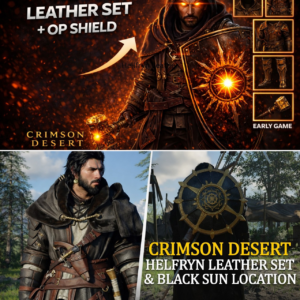
HIDDEN IN THE HIERARCHY: Why Most Players Will Never Find the Insane Hellfryn Armor Set in Crimson Desert
THE RAREST ARMOR IN PYWEL HAS BEEN FOUND! 🛡️🌑🔥 Have you walked through Deinus a dozen times and still missed this “Ghost” set? The secret to the Hellfryn Armor and Black Sun Shield is finally DECODED! 🚨 The Crimson Desert…
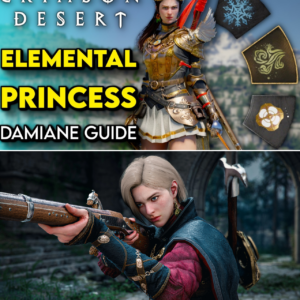
BEYOND THE PROTAGONIST: Damiane’s ‘Elemental Princess’ Build Is Officially Nuking the Crimson Desert Meta
MOVE OVER KLIFF, THE PRINCESS IS HERE! 👑🛡️❄️ Everyone is obsessed with Kliff, but have you seen what a maxed-out Damiane can do? This “Elemental Princess” build is literally breaking the game! 🚨 The Crimson Desert community is losing its…
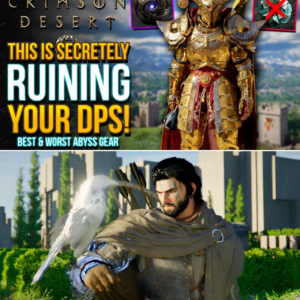
THE POWER PARADOX: Why Overstacking Abyss Gear is Quietly Killing Your Damage in Crimson Desert
DON’T RUIN YOUR CHARACTER! 🌀😱🚫 Warning: Overstacking Abyss Gear might actually NUKKE your DPS and drain your resources in seconds. Do you know which powers are actually TRASH? 🚨 The Crimson Desert community is buzzing after a shocking discovery: The…

KOOPA CRITICAL CONDITION: Critics Slam ‘Super Mario Galaxy’ as ‘Toxic,’ While Fans Power-Up a Record $350M Opening
BOWSER IS “TOXIC”? CRITICS ARE OFFICIALLY LOSING THEIR MINDS! 🐢🍄 The Super Mario Galaxy Movie just hit theaters, but the “expert” reviews are reading like a political manifesto! While fans are driving a massive $350M opening, professional critics are busy…
End of content
No more pages to load