You think you know Sophie’s heartbreaking backstory in Bridgerton Season 4… but wait until you hear what REALLY happened to her mother. 😱
The show hints at tragedy, but the books drop the full bombshell—and it’s way darker than you expect.
Full details:
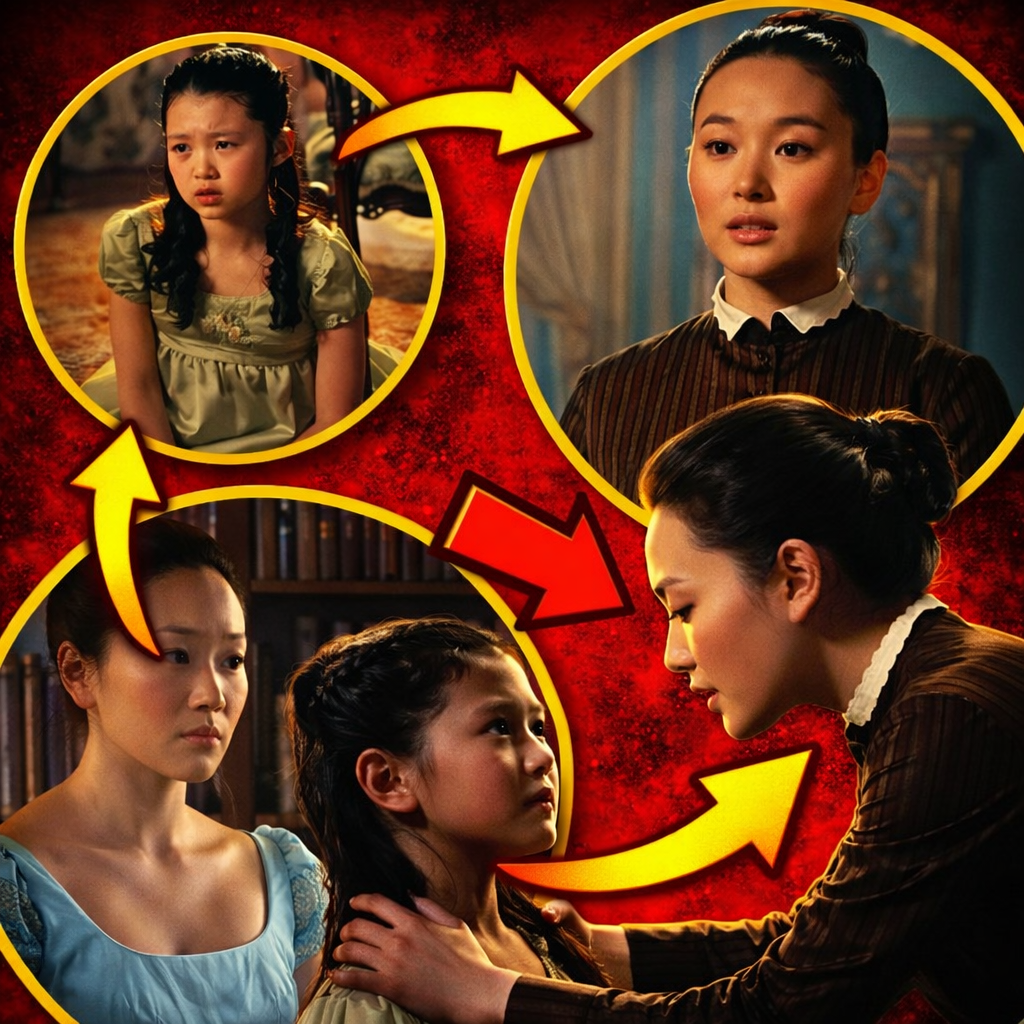
In the world of Bridgerton, few characters carry as much quiet tragedy as Sophie Beckett (known as Sophie Baek in the Netflix adaptation). As the love interest for the charming but restless Benedict Bridgerton in Season 4, Sophie’s journey from overlooked servant to unexpected romantic lead draws heavily from Julia Quinn’s novel An Offer from a Gentleman. Central to her pain is the mystery surrounding her origins—and specifically, what became of her mother.
The Netflix series has carefully doled out clues about Sophie’s past through flashbacks and tense confrontations, particularly with her stepmother, Lady Araminta Gun (the on-screen version of Araminta Reiling). Viewers learn early that Sophie is the illegitimate daughter of the late Earl of Penwood and that her mother was a lowborn maid who served as his mistress. Araminta delivers the crushing line that Sophie’s mother “died when you were very small with no title, no money, no dignity and no husband,” underscoring the scandal and vulnerability that defined Sophie’s birth.
But the books go further, providing a clearer and more poignant explanation: Sophie’s mother died in childbirth. This detail, revealed in the prologue and early chapters of An Offer from a Gentleman, frames Sophie’s entire life as one marked by loss from the very first breath.
Sophie’s father, Richard Gunningworth, the sixth Earl of Penwood, conducted a discreet affair with a housemaid. The relationship produced Sophie, but the maid perished during labor, leaving the newborn without a mother and the earl with a secret that could ruin his reputation in Regency society. For the first three years of her life, Sophie was cared for by her maternal grandmother, described in the novel as a kind but frail woman. As the grandmother’s health failed, she made the desperate decision to leave the child on the earl’s doorstep at Penwood Park one rainy July night. Wrapped in an oversized coat with a small note, Sophie was deposited like an unwanted package, her existence now impossible for the earl to ignore.
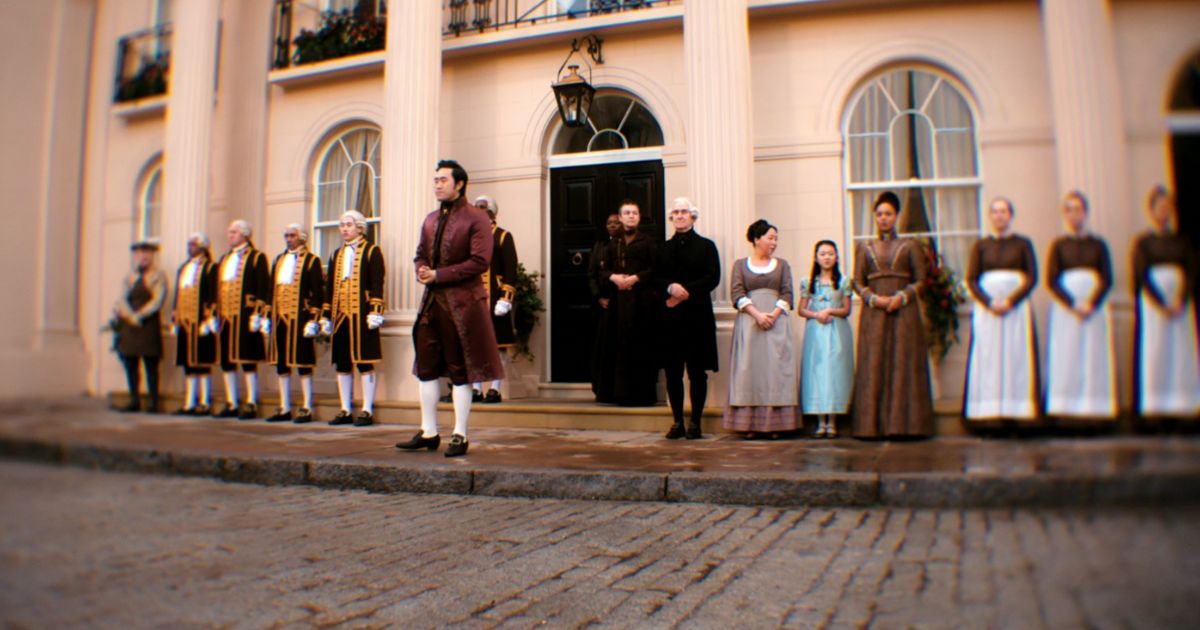
The physical resemblance was undeniable. Sophie inherited her father’s moss-green eyes, dark blond hair, and facial features that echoed those of the earl’s late mother and sister. The household staff immediately understood the truth, though they kept silent out of affection for the girl and fear for their positions. The earl, unwilling to publicly acknowledge an illegitimate child, presented Sophie to the world as the orphaned daughter of an old friend—a “ward” under his protection. This fiction allowed him to provide for her without inviting gossip, though it also kept her at arm’s length emotionally.
Sophie grew up at Penwood Park, mostly in the country while the earl spent time in London. The servants adored her, treating her with the warmth her biological father withheld. At age 10, the earl married Araminta Reiling, a widow with two daughters, Rosamund and Posy. Araminta brought her own ambitions and resentments into the marriage, and the dynamic shifted dramatically after the earl’s sudden death when Sophie was 14.
In both the book and the series, the earl’s passing leaves Sophie exposed. Araminta, now in control, reveals the ugly truth at his graveside: Sophie was never included in the will, and her mother’s lowly status sealed her fate. Reduced to a servant in her own childhood home, Sophie endures years of mistreatment before fleeing and eventually crossing paths with Benedict at the famous masquerade ball.
The mother’s death in childbirth carries heavy symbolic weight. In Regency England, childbirth was perilous, especially for women of lower classes without access to medical care. The maid’s demise highlights the unequal consequences of the earl’s affair—he continued his privileged life, while she paid the ultimate price, and their child inherited the stigma.
Some fans have noted minor inconsistencies across the Bridgerton series. In a later book, It’s in His Kiss, Hyacinth Bridgerton casually refers to Sophie’s mother as “an actress of God knows what provenance,” but this appears to be family lore or exaggeration rather than canon. The primary account in An Offer from a Gentleman consistently points to a housemaid and death during or immediately after delivery.
The Netflix adaptation maintains the emotional core while making adjustments for modern viewers. Sophie’s mother remains unnamed and her exact cause of death is left vague in dialogue, allowing the focus to stay on Araminta’s cruelty and Sophie’s resilience. The show emphasizes themes of class, illegitimacy, and found family, with Sophie’s backstory serving as a modern echo of Cinderella—complete with a wicked stepmother and a magical ball.
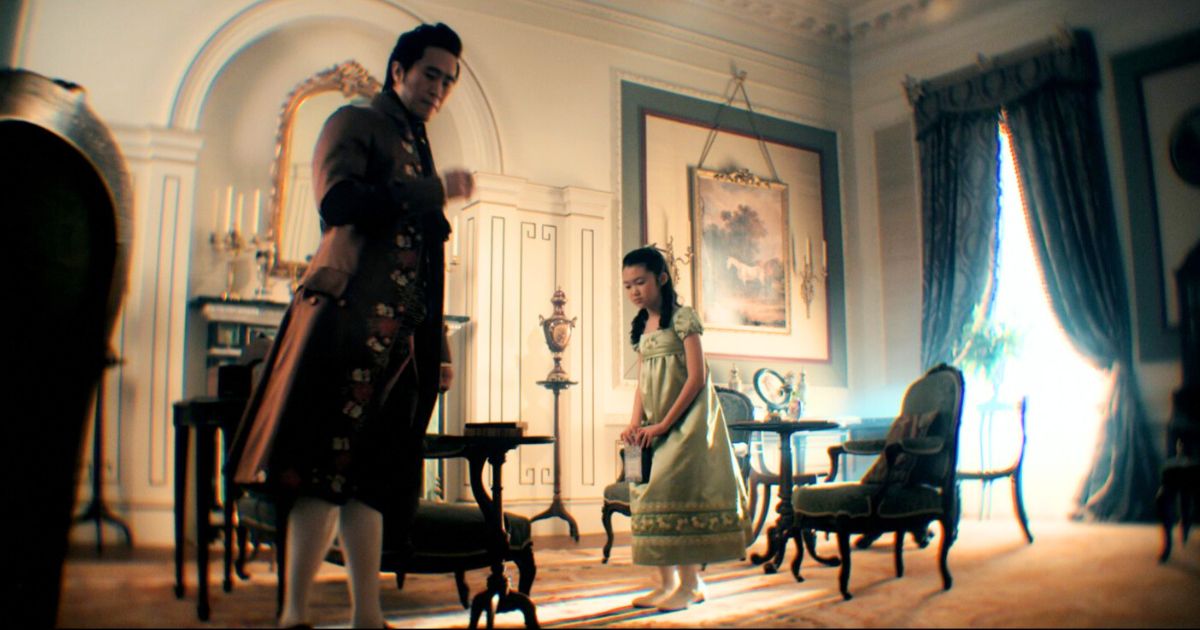
Critics and viewers alike have praised how Season 4 handles Sophie’s arc, balancing the source material’s romance with updated sensitivity around power dynamics and consent. The mystery of her mother adds layers to Sophie’s guarded nature and her reluctance to trust easily.
Ultimately, Sophie’s mother exists as a ghost in the story—a woman whose brief life and tragic end set the stage for her daughter’s struggles and triumphs. In the books, the childbirth detail grounds the narrative in historical realism; in the show, the ambiguity invites viewers to fill in the blanks while underscoring the same harsh truths about society’s treatment of women outside the aristocracy.
As Bridgerton continues to blend romance, drama, and social commentary, Sophie’s origin story remains one of its most compelling. Her mother’s death wasn’t just a plot point—it was the first injustice in a life defined by them, and the catalyst for the journey that leads her to love, acceptance, and a place among the Bridgertons.