🚨 WESTEROS PROPHECY SHOCKER: Does Ser Dunk Actually KILL A DRAGON in A Knight of the Seven Kingdoms? Daeron’s Terrifying Dragon Dream Just Got EXPLAINED—and It’s DARKER Than You Think! 😱🐉🔥
A massive dead dragon crashes down on Dunk… wings covering the entire meadow… fire everywhere… but Dunk walks away ALIVE while the beast is gone forever. Fans are freaking out: Literal dragon slayer? Or something way more tragic for House Targaryen?
Read more:
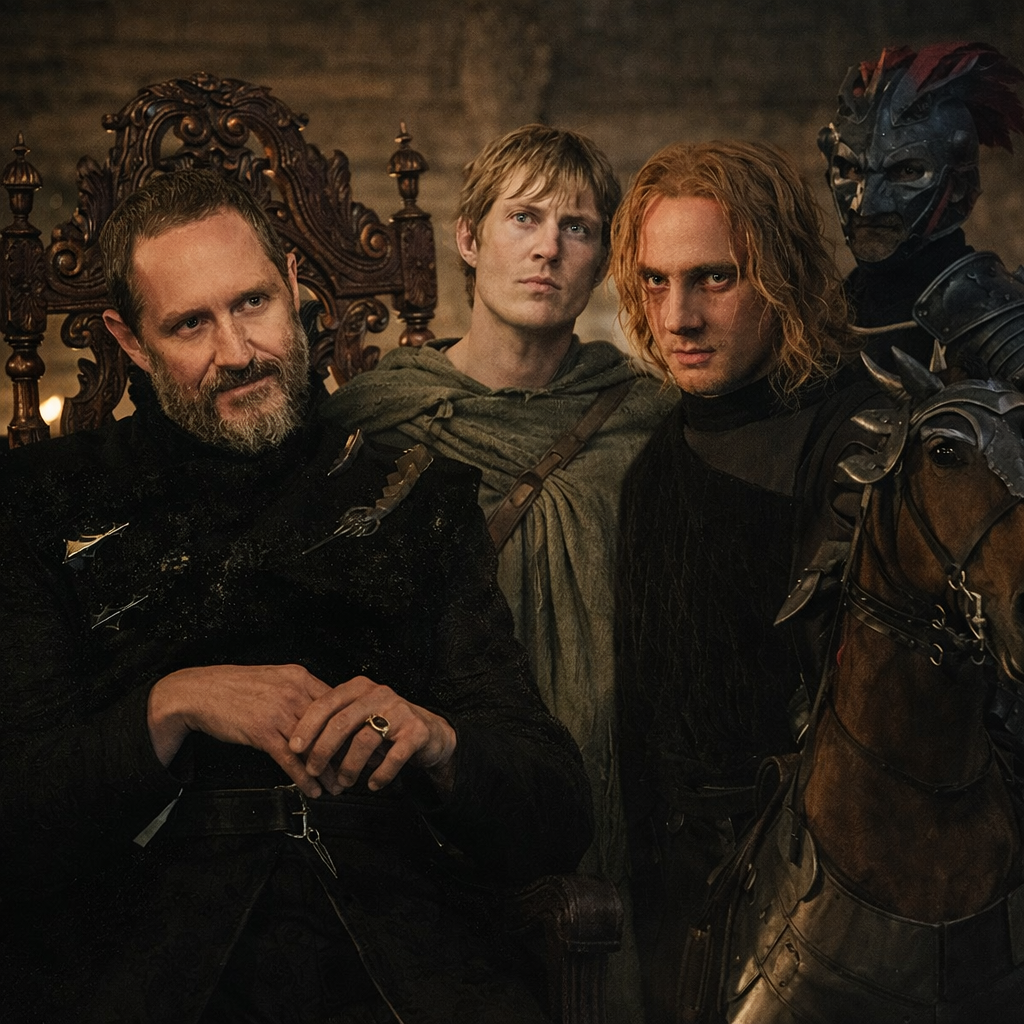
HBO’s A Knight of the Seven Kingdoms continues to weave intricate prophecies into its grounded tale of hedge knights and royal intrigue, and Episode 4, “Seven,” delivers one of the most haunting visions yet. Prince Daeron Targaryen—known as “Daeron the Drunken”—shares a chilling dragon dream with Ser Duncan the Tall (Peter Claffey), raising the question that has fans buzzing: Does Dunk actually kill a dragon? The short answer is no—not literally—but the dream’s metaphorical weight points to profound consequences for House Targaryen and foreshadows darker events in the A Song of Ice and Fire universe.
Daeron, portrayed by Henry Ashton, first appears briefly in Episode 1 as a disheveled, intoxicated figure at an inn, warning Dunk, “I dreamed of you.” In Episode 4, he reappears amid the escalating fallout from Dunk’s altercation with Prince Aerion “Brightflame” Targaryen (Finn Bennett). Facing charges of assault and kidnapping young Aegon “Egg” Targaryen (Dexter Sol Ansell), Dunk is thrust into a Trial of Seven. Daeron, one of Egg’s older brothers, confesses his role in the accusations—stemming from his own negligence—and offers a half-hearted alliance before revealing the full scope of his vision.
“I have seen you, ser,” Daeron tells Dunk in a tense private moment. “And a fire. And a dead dragon. A great beast with wings so large they could cover this meadow. It had fallen onto you. But you were alive, and the dragon was dead.” When Dunk asks directly if he killed the dragon, Daeron replies ambiguously: “That I could not say… We were dragon masters once. Hard to believe. Now they’re all gone, but we remain.”
This isn’t a vision of literal dragons, which have been extinct in Westeros for over a century by this point in the timeline (roughly 90 years before Game of Thrones). Instead, it’s a classic “dragon dream”—a prophetic ability tied to Targaryen blood, where “dragons” symbolize members of the house itself. Targaryens often refer to themselves as having “the blood of the dragon,” and such dreams frequently foretell death or downfall within the family.
The most immediate interpretation ties to the Trial of Seven itself. As the conflict unfolds, Prince Baelor “Breakspear” Targaryen (Bertie Carvel), the honorable heir to the throne and a formidable warrior, steps forward to champion Dunk. Baelor declares the hedge knight’s actions honorable, defending the innocent puppeteer Tanselle from Aerion’s cruelty. In the brutal melee that follows, Baelor is mortally wounded while protecting Dunk. He collapses onto the knight, dying in his arms—a literal “dragon” (a Targaryen prince) falling dead upon Dunk, who survives the ordeal.
This fulfillment explains Daeron’s initial fear of Dunk at the inn: He recognized the hedge knight from his vision and recoiled from the harbinger of family tragedy. Sources close to the production note that showrunner Ira Parker and George R.R. Martin emphasized fidelity to the novella The Hedge Knight, where Daeron’s dream similarly portends Baelor’s death. The episode’s emotional payoff—Baelor’s stand for justice amid royal corruption—mirrors Martin’s themes of true knighthood versus hereditary privilege.
Yet the dream carries layers of foreshadowing beyond the immediate trial. Daeron’s visions often prove tragically accurate, and the inclusion of “fire” alongside the dead dragon hints at a larger catastrophe. In Martin’s broader lore, Dunk and Egg’s story culminates at the Tragedy at Summerhall, a devastating fire that claims both their lives. Egg, as King Aegon V Targaryen, attempts to hatch dragon eggs in a ritual involving wildfire and blood magic, resulting in an inferno that kills the king, his son Duncan the Small, and Ser Duncan the Tall, who dies trying to save his friend.
The “fire” in Daeron’s dream aligns with this event, while the “dead dragon” could symbolize Aegon V himself—or the final extinguishing of Targaryen dragon dreams and ambitions. Daeron, tormented by his prophetic gift, turns to drink to numb the visions, a detail that adds pathos to his character. His line about dragons being “gone” but Targaryens remaining underscores the house’s decline: from conquerors astride beasts to fractured rulers haunted by what they’ve lost.
Fans have dissected the dream across social media and forums, with many praising its subtlety. Some speculate alternate fulfillments, like connections to later Blackfyre Rebellions where Dunk might confront dragon-pretenders, but the primary reading remains Baelor’s sacrifice. Others note parallels to other Targaryen dreamers: Daenys the Dreamer, who foresaw the Doom of Valyria; Daenerys Targaryen, whose visions guide her path; and even figures like Maester Aemon, who reflects on lost dragons.
The episode’s handling of the prophecy has been lauded for avoiding heavy-handed exposition. Instead of overt CGI dragons, the vision manifests through dialogue and symbolism, heightening emotional stakes. Ramin Djawadi’s score, incorporating motifs from the original Game of Thrones theme during key moments, amplifies the sense of destiny. Critics from outlets like GamesRadar and Winter is Coming describe it as an “ominous portent,” linking it to the franchise’s recurring motif that prophecies are rarely straightforward and often come at great cost.
For A Knight of the Seven Kingdoms, this dream reinforces the series’ intimate scale. Unlike House of the Dragon‘s focus on political scheming and dragon battles, the show emphasizes personal honor, class divides, and the human toll of power. Dunk, a lowborn knight of integrity, unwittingly becomes entangled in Targaryen doom—surviving where princes fall.
As the Trial of Seven concludes and the story progresses toward future novellas like The Sworn Sword and The Mystery Knight, Daeron’s vision lingers as a warning. No literal dragon dies by Dunk’s hand, but the hedge knight’s presence accelerates shifts in Targaryen fortunes. Baelor’s death weakens the line of succession, setting the stage for Maekar’s reign and the Blackfyre threats.
In a franchise built on twists and tragedies, Daeron’s dragon dream stands out for its quiet devastation. It doesn’t promise glory or conquest—it foretells loss, fire, and survival at the price of blood. Whether Dunk “kills” a dragon remains interpretive, but the vision confirms one truth: In Westeros, even the most honorable paths lead through shadows, and prophecies exact their toll on everyone involved. As Season 1 builds to its close, viewers are left pondering: How many more dragons must fall before the fire consumes them all?
News
THE TITAN SLAYER: New ‘Infinite Stun’ Meta Reveals How to Bully Crimson Desert’s Most Overwhelming Bosses
STOP GETTING BULLIED BY OVERWHELMING BEINGS! ⚔️🔥👹 Are the Forgotten General or Belellith flattening you like a runaway train? The “Infinite Stun” and “Volcanic Archer” metas are officially here to save your playthrough! 🚨 The Crimson Desert community is reeling…
DEADLY ELEGANCE: ‘Elegant Carmine’ Armor Blueprint Discovered for Damiane After High-Stakes Jungle Raid
UNLEASH THE ELEMENTAL PRINCESS: DAMIANE’S CARMINE ARMOR FOUND! 🎭🛡️✨ Stop letting Damiane wear basic gear! The blueprint for the ultra-rare Elegant Carmine Leather set has finally been located—but beware, this treasure is buried deep in a trap-filled cave! 🚨 The…
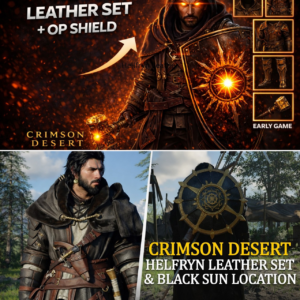
HIDDEN IN THE HIERARCHY: Why Most Players Will Never Find the Insane Hellfryn Armor Set in Crimson Desert
THE RAREST ARMOR IN PYWEL HAS BEEN FOUND! 🛡️🌑🔥 Have you walked through Deinus a dozen times and still missed this “Ghost” set? The secret to the Hellfryn Armor and Black Sun Shield is finally DECODED! 🚨 The Crimson Desert…
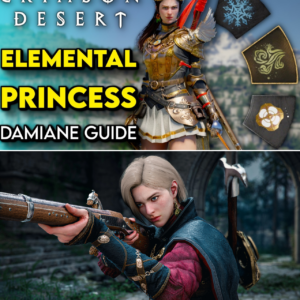
BEYOND THE PROTAGONIST: Damiane’s ‘Elemental Princess’ Build Is Officially Nuking the Crimson Desert Meta
MOVE OVER KLIFF, THE PRINCESS IS HERE! 👑🛡️❄️ Everyone is obsessed with Kliff, but have you seen what a maxed-out Damiane can do? This “Elemental Princess” build is literally breaking the game! 🚨 The Crimson Desert community is losing its…
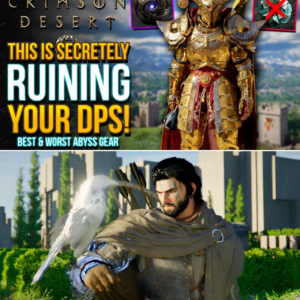
THE POWER PARADOX: Why Overstacking Abyss Gear is Quietly Killing Your Damage in Crimson Desert
DON’T RUIN YOUR CHARACTER! 🌀😱🚫 Warning: Overstacking Abyss Gear might actually NUKKE your DPS and drain your resources in seconds. Do you know which powers are actually TRASH? 🚨 The Crimson Desert community is buzzing after a shocking discovery: The…

KOOPA CRITICAL CONDITION: Critics Slam ‘Super Mario Galaxy’ as ‘Toxic,’ While Fans Power-Up a Record $350M Opening
BOWSER IS “TOXIC”? CRITICS ARE OFFICIALLY LOSING THEIR MINDS! 🐢🍄 The Super Mario Galaxy Movie just hit theaters, but the “expert” reviews are reading like a political manifesto! While fans are driving a massive $350M opening, professional critics are busy…
End of content
No more pages to load