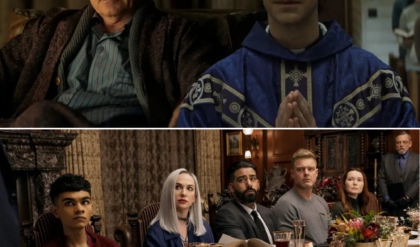
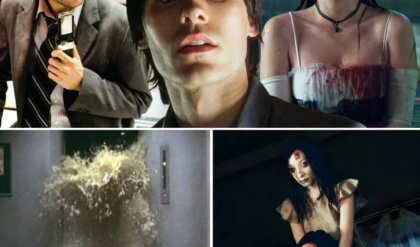
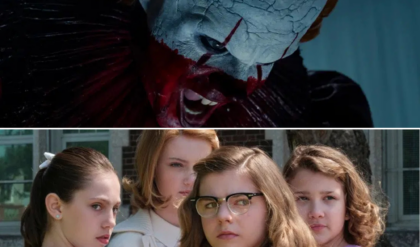
Sam Raimi just dropped his first pure horror flick in YEARS… and it might be his scariest yet. But where does it rank against the classics?
You know the name: the guy who turned a low-budget cabin-in-the-woods nightmare into a legendary franchise, then gave us the campiest Deadite-slaying sequel ever, and that soul-crushing curse in Drag Me to Hell.
Now, with Send Help (2026) hitting theaters—Raimi’s long-awaited R-rated return—fans are debating: Is this island nightmare his best horror since the ’80s? Or does it get buried under the Evil Dead empire?
From the ultra-gory student short Within the Woods (his bloody origin story) to the superhero-horror mashup Darkman, the psychic chills of The Gift, the demonic comedy gold of Army of Darkness, the unrelenting terror of The Evil Dead, the slapstick masterpiece Evil Dead II, the bank-frightening Drag Me to Hell… and now Send Help with Rachel McAdams trapped with a nightmare boss.
One of these is hailed as his absolute peak of horror genius. Another is called a “misfire” that still creeps you out.
Which Raimi horror reigns supreme—and which one deserves to be dragged to hell? The ranking will shock you (and maybe make you sleep with the lights on).🎥🔥👹
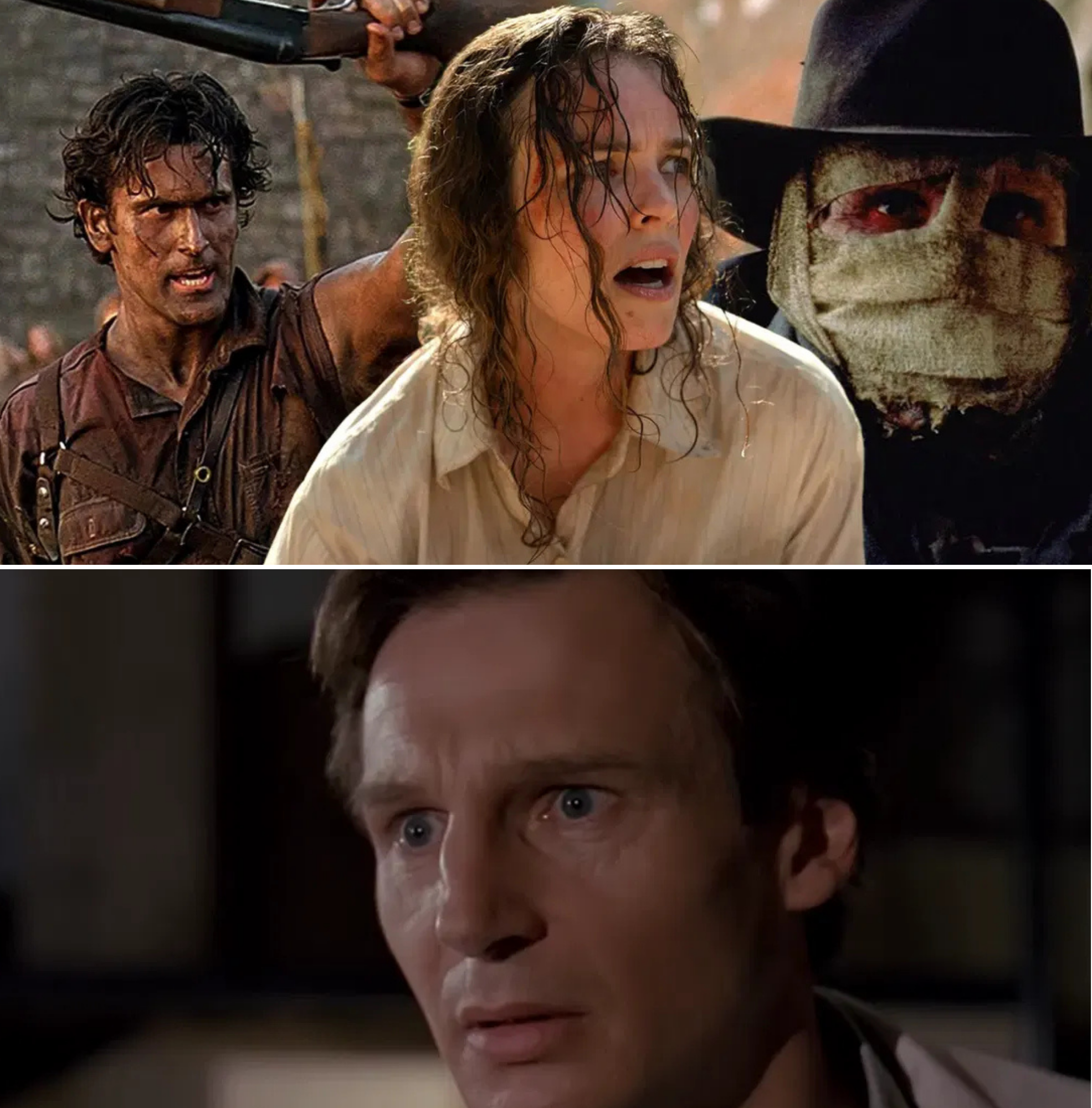
Sam Raimi has built a career on blending terror, humor, and wild camera work into something unmistakably his own. Starting with shoestring budgets in the late 1970s, he redefined low-budget horror with The Evil Dead and its sequels, then ventured into superhero territory with Darkman before returning to scare audiences senseless with Drag Me to Hell. After years focused on blockbusters and producing, Raimi made a striking comeback to R-rated horror in 2026 with Send Help, a tense survival tale starring Rachel McAdams and Dylan O’Brien.
With Send Help now in theaters and earning strong reviews for its claustrophobic setup and Raimi’s signature style, it’s the perfect moment to rank every film he’s directed that qualifies as horror—pure horror, horror-comedy, or horror-adjacent thrillers. This list draws from critical consensus, audience reception, and the director’s evolving craft, counting only features where horror is a core element (excluding his Spider-Man trilogy, A Simple Plan, or non-horror outings like Oz the Great and Powerful).
-
Within the Woods (1978) Raimi’s earliest horror effort is a 32-minute student short shot on 8mm film with friends, including Bruce Campbell. It follows a group at a cabin who unleash an evil force after disturbing an Indian burial ground—sound familiar? The low production values are evident: shaky camerawork, amateur acting, and visible budget constraints. Yet it’s a fascinating prototype for The Evil Dead, testing ideas like possession and chainsaw threats. Critics view it as a curiosity rather than a polished film, but it shows Raimi’s early obsession with gore and isolation. Available mostly through bootlegs or online archives, it remains a footnote for die-hard fans.
The Gift (2000) After the Spider-Man announcement, Raimi delivered this Southern Gothic supernatural thriller starring Cate Blanchett as a psychic who aids police in a murder investigation. Co-starring Keanu Reeves, Greg Kinnear, and Katie Holmes, the film mixes eerie visions, domestic abuse themes, and small-town secrets. While atmospheric and well-acted—Blanchett earned praise for her grounded performance—it often feels more like a moody drama than outright horror. Jump scares are sparse, and the supernatural elements play second fiddle to character drama. It’s a solid but uneven entry, sometimes criticized for predictable twists and uneven pacing. Still, it marked Raimi’s return to genre after a decade away.
Darkman (1990) Raimi’s first studio film is a comic-book-style origin story about scientist Peyton Westlake (Liam Neeson), disfigured in an explosion and becoming a vengeful masked vigilante. Blending horror with superhero action, it features grotesque makeup effects, manic energy, and Raimi’s kinetic style—Dutch angles, rapid zooms, and over-the-top violence. The film’s body horror (skin grafting, acid burns) and themes of identity loss give it a dark edge. Though not a massive hit initially, it has grown into a cult favorite for its bold visuals and Neeson’s committed performance. Some argue it leans more action than horror, but the grotesque transformations and revenge-driven terror secure its spot here.
Send Help (2026) Raimi’s latest is a contained thriller about a dedicated employee (McAdams) and her abrasive new boss (O’Brien) stranded on a remote island after a corporate retreat gone wrong. What begins as workplace tension escalates into survival horror with isolation, paranoia, and unexplained threats. Early reviews praise its return to R-rated territory—Raimi’s first since 2000—with practical effects, tight suspense, and the director’s trademark flair (wild camera moves, grotesque moments). At 94% on Rotten Tomatoes (as of February 2026), it’s being called his strongest pure horror in years, though some note it feels polished compared to his rawer early work. The simple premise allows Raimi to focus on character dread and escalating terror, making it a welcome comeback.
Army of Darkness (1992) The third Evil Dead film shifts heavily into fantasy-comedy, with Ash Williams (Bruce Campbell) transported to medieval times to battle an army of Deadites. While lighter on straight horror than its predecessors, the film retains Raimi’s gore (stop-motion skeletons, chainsaw fights) and slapstick terror. Campbell’s one-liners and over-the-top performance make it endlessly quotable—“Groovy,” “Hail to the king, baby.” It divided fans at release for ditching pure scares, but its blend of horror, adventure, and comedy has made it a beloved classic. The Three Stooges-inspired antics and inventive practical effects showcase Raimi at his most playful.
Drag Me to Hell (2009) After the Spider-Man trilogy, Raimi roared back with this gleefully mean-spirited horror about loan officer Christine (Alison Lohman) cursed by an old woman she evicts. What follows is 90 minutes of relentless torment: flies, demonic possessions, goat attacks, and one of cinema’s most infamous vomiting scenes. Critics lauded its old-school scares, practical effects, and refusal to pull punches. At 92% on Rotten Tomatoes, it’s seen as Raimi reclaiming his horror roots with humor and cruelty in equal measure. The film’s energy and unapologetic nastiness make it a modern classic.
The Evil Dead (1981) / Evil Dead II (1987) (Tied at the Top) It’s impossible to separate these two masterpieces. The original The Evil Dead—shot on a minuscule budget with friends in a Tennessee cabin—delivers raw, unrelenting terror. Five college kids unleash demonic forces via the Necronomicon, leading to possession, tree assaults, and buckets of blood (Kensington Gore). Its intensity and practical effects made it a landmark, despite initial bans and backlash. Evil Dead II refines the formula: more humor, bigger laughs, and Bruce Campbell’s iconic Ash facing escalating madness. The cabin sequences, possessed hand, and chainsaw finale are legendary. Both films score highly (85-88% on Rotten Tomatoes) and represent Raimi’s purest horror vision—low-budget ingenuity, fearless gore, and boundary-pushing creativity. Together, they form the cornerstone of his legacy.
Raimi’s horror output spans nearly 50 years, from DIY experiments to studio-backed scares. Each film reflects a phase: raw ambition in the ’80s, genre experimentation in the ’90s and 2000s, and a confident return in 2026. Whether through Deadites, curses, or isolated dread, his style—fast cuts, exaggerated angles, dark humor—remains instantly recognizable. As Send Help proves, the 66-year-old director still has plenty of nightmares left to unleash.