Game of Thrones fans are FURIOUS… and the showrunner just ADMITTED he SCREWED UP big time by cutting THE most iconic line from the books! 😱🔥
Read more:
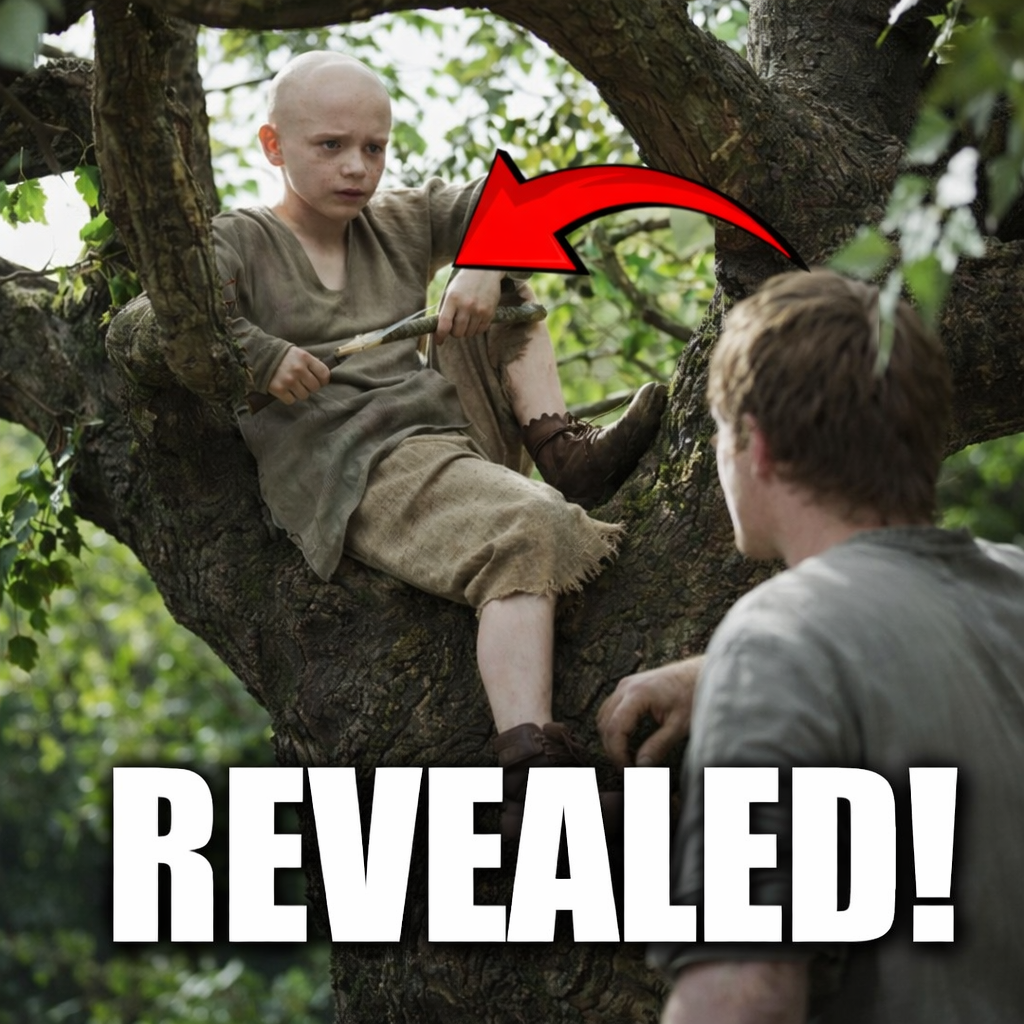
In the latest twist for HBO’s A Knight of the Seven Kingdoms, showrunner Ira Parker has publicly owned up to what many fans are calling a glaring oversight in the adaptation of George R.R. Martin’s beloved novella The Hedge Knight. During a recent Reddit Ask Me Anything session, Parker admitted that cutting a pivotal dialogue exchange between Ser Duncan the Tall (Dunk) and the blacksmith Steely Pate was, in his words, “a mistake on my part.”
The scene in question occurs in Episode 4, titled “Seven,” which builds toward the climactic Trial of Seven. In Martin’s original story, as the common folk unexpectedly cheer for Dunk ahead of the brutal combat, the hedge knight turns to Pate in confusion and asks, “What am I to them?” Pate replies with the now-famous line: “A knight who remembered his vows.” Fans have long regarded this moment as the emotional and thematic core of the Dunk and Egg tales – a humble reminder that true knighthood isn’t about noble blood or flashy armor, but about honoring one’s oaths, even when it costs everything.
The line’s absence in the HBO series did not go unnoticed. Viewers familiar with the source material flooded online forums and social media, questioning why such a defining exchange was left on the cutting-room floor, especially given the show’s otherwise meticulous faithfulness to the novella. One Reddit user directly called out the omission during Parker’s AMA, describing the line as “the soul and the moral of the entire novella.”
Parker’s response was refreshingly candid for a Hollywood showrunner. “Honestly it was a mistake on my part,” he wrote. “Not my first, not my last on this show. That scene was in the script at one point, then fell out. I agree that ‘a knight who remembers his vows’ is the soul of this story, but I think that is still very much at the core of the show, even if I stupidly left out this scene… it may not be said explicitly, but Dunk’s actions remain the same.”
The admission comes at a high point for the series. Episode 4 earned widespread praise, including one of the highest IMDb ratings for any Game of Thrones franchise entry in nearly a decade. Critics and audiences have lauded the show’s grounded tone, strong performances from Peter Claffey as Dunk and Dexter Sol Ansell as Egg, and its commitment to Martin’s text after the divisive final seasons of the original series and mixed reactions to House of the Dragon.
Yet the missing line has sparked debate among book readers. Supporters of Parker’s decision argue that the show’s visual storytelling – Dunk’s selfless acts, his defense of the puppeteer Tanselle, and his willingness to risk death for justice – conveys the same message without needing the explicit dialogue. Dunk’s character arc, they say, speaks louder than words.
Critics, however, see the cut as a missed opportunity to hammer home the novella’s central theme in an era when adaptations often streamline or alter material for pacing. The Dunk and Egg stories stand apart in Martin’s Westeros universe for their focus on honor, class divides, and the quiet heroism of lowborn knights – themes that resonate deeply in a post-Game of Thrones world weary of endless intrigue and betrayal.
The scene’s exclusion reportedly stemmed from script revisions during production. Parker noted it was originally included but “fell out,” a common occurrence in television where runtime constraints, actor scheduling, or directorial choices force tough edits. In this case, the episode still clocks in with substantial setup for the Trial of Seven, featuring key moments like Dunk’s impassioned plea, “Are there no true knights?” and Prince Baelor Targaryen’s dramatic decision to join his side.
George R.R. Martin himself has been supportive of the adaptation. The author has praised the casting and the show’s fidelity overall, writing on his blog that “Dunk and Egg look as if they walked out of the pages of my book.” He has not publicly commented on the specific omission, but his enthusiasm suggests the change has not derailed his approval.
For fans, the confession has mixed effects. Some appreciate Parker’s humility – a rarity in an industry where creators often defend every choice. Others worry it signals potential future shortcuts in upcoming seasons, which are expected to adapt the remaining novellas, The Sworn Sword and The Mystery Knight. The series has already been positioned as a multi-season project, with HBO banking on its more intimate scale to contrast with the epic battles of its predecessors.
The broader context of Game of Thrones adaptations looms large. After the original show’s controversial ending alienated millions, and House of the Dragon‘s own pacing and character decisions drew scrutiny, A Knight of the Seven Kingdoms arrived as a palate cleanser: smaller stakes, warmer characters, and a return to Martin’s roots in chivalric romance. Parker’s willingness to admit fault may help maintain goodwill, especially as the show builds toward the Trial of Seven in Episode 5, which promises intense action and major revelations.
Whether the omission ultimately matters remains up for debate. The theme of vows and true knighthood permeates Dunk’s journey, from his defense of the innocent to his bond with Egg. As Parker himself noted, the actions carry the weight even without the words. Still, for purists, hearing Pate’s line delivered on screen would have been a goosebump moment – one that now exists only in the books.
As the series marches forward, all eyes are on how Parker and his team handle future adaptations. Will they restore similar iconic moments, or continue trimming for modern television? Parker’s admission suggests self-awareness, but only time – and future episodes – will tell if lessons have been learned.