🚨 HBO JUST DROPPED THE BOMBSHELL: “A Knight of the Seven Kingdoms” is OFFICIALLY the ANTI-Game of Thrones! 😲⚔️
No dragons torching cities. No backstabbing royals plotting murders in dark rooms. No endless winter doom. Instead? A giant hedge knight tripping over his own feet, a bald kid with secrets, drunken dances with Baratheons, and ACTUAL laughs in Westeros?!
Fans are divided: “Finally, hope in Westeros!” vs “Where’s my betrayal and blood?!”
But HBO confirmed it — this is the breath of fresh air the franchise needed after dragons and darkness. Is it saving Game of Thrones… or flipping it on its head?
Click NOW for the full scoop on why this “anti-Game of Thrones” twist has everyone talking — and why you might love it more than the original. 🍻🐉 (No spoilers, promise… mostly)
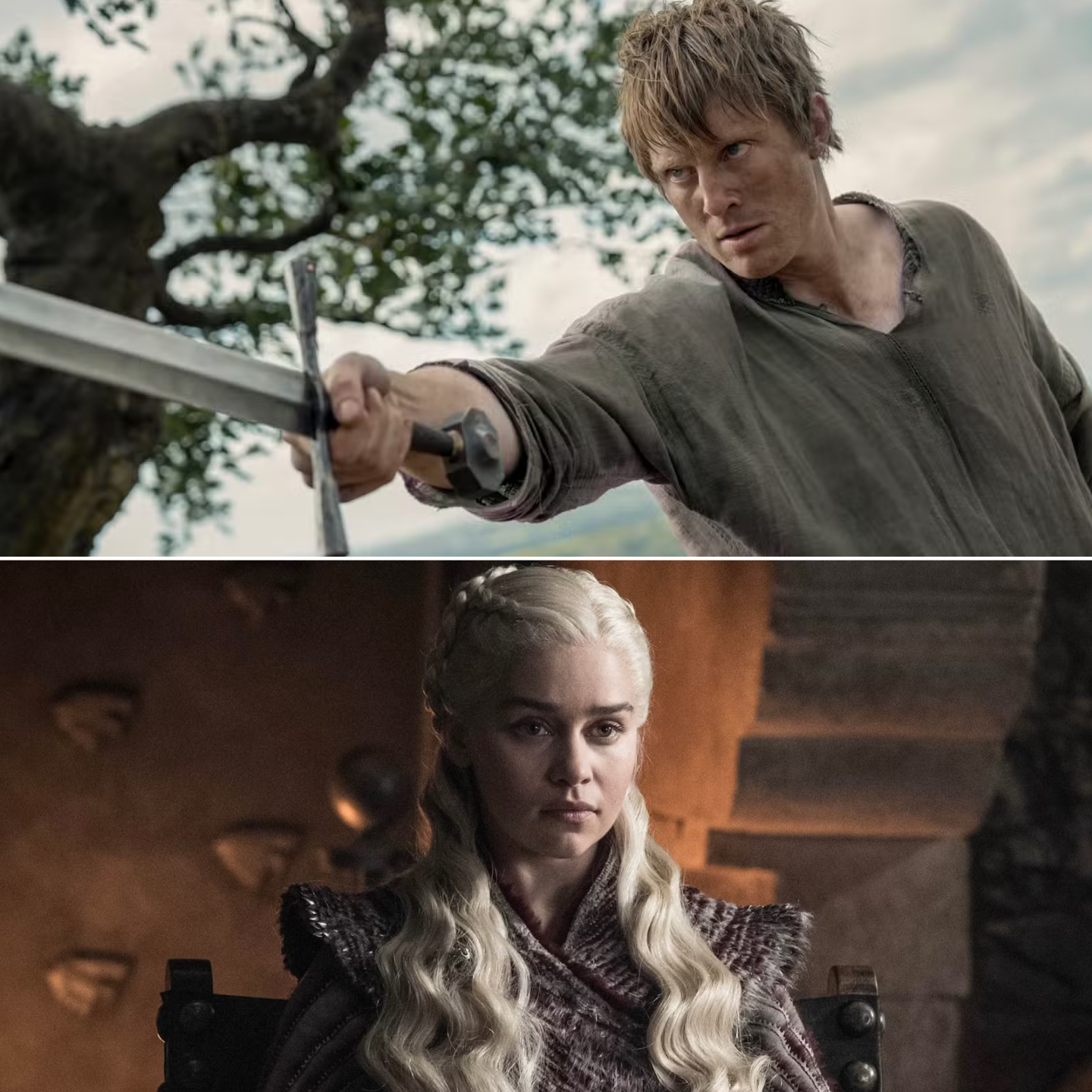
HBO’s bold new entry in the Game of Thrones universe has arrived, and the network isn’t shying away from the big claim: A Knight of the Seven Kingdoms is deliberately positioned as the “anti-Game of Thrones.” Premiering January 18, 2026, the six-episode season has sparked heated debate among fans and critics alike, with many hailing it as a refreshing departure from the franchise’s signature darkness, while others question if the lighter tone can sustain the epic legacy.
The confirmation comes straight from HBO insiders and the show’s creative team. Showrunner Ira Parker, in interviews with outlets like The Hollywood Reporter, described the series as a stark contrast to its predecessors. “We’re Game of Thrones without all the stuff,” Parker said, referring to the absence of dragons, massive battles, white walkers, and sprawling political intrigue. The tone is intentionally lighter, faster, and more character-focused, emphasizing humor, personal honor, and everyday struggles over grand betrayals and apocalyptic stakes.
This isn’t just marketing spin. Reviews from Collider, NPR, Polygon, and others have echoed the sentiment, calling the show the “anti-Game of Thrones in the best way possible.” Collider’s analysis highlighted how it “confidently fights against the serious tone of the flagship series and instead finds delight in the small things.” NPR went further, labeling it a “comedy, far lighter, faster and breezier,” told from the perspective of commoners rather than ruling dynasties. The New York Times noted the “light comic tone with flashes of fierce violence and tragedy,” but stressed its focus on self-respect, mentorship, and valor in a world without dragons.
Set in 209 AC—roughly 90 years before Game of Thrones and decades after House of the Dragon—the series adapts George R.R. Martin’s The Hedge Knight, the first of his Dunk and Egg novellas. It follows Ser Duncan the Tall (Peter Claffey), a towering, earnest hedge knight from humble origins, and his squire Egg (Dexter Sol Ansell), secretly Prince Aegon Targaryen. Their story unfolds almost entirely at the Tourney at Ashford Meadow in the Reach, a single-location event spanning a few days.
Unlike the multi-continental sprawl of Game of Thrones or the dragon-fueled civil war of House of the Dragon, this is intimate and grounded. No armies clash on vast fields. No incestuous plots threaten kingdoms. Instead, viewers get awkward bathroom humor (a scene Martin himself admitted surprised him), drunken tent revelry with Lyonel “the Laughing Storm” Baratheon, and Dunk’s clumsy attempts to uphold chivalry. The premiere’s opening, with Dunk relieving himself behind a tree as the iconic theme swells, sets the tone: earthy, relatable, and human.
HBO and Parker have leaned into this difference. The title sequence ditches the epic orchestral flourishes of Ramin Djawadi’s previous work for something simpler and more direct, mirroring Dunk’s plain, no-nonsense personality. Episodes run shorter—often under 40 minutes—making the season feel brisk and bingeable. Martin, who has been more hands-on here than in later House of the Dragon seasons, praised the adaptation’s fidelity while noting its lighter vibe suits the source material’s “slice-of-life” stories.
Critics praise the shift. Polygon called it “Game of Thrones’ best path forward,” praising the modest ambitions and personal struggles that make it feel fresh. Screen Rant highlighted how the lighter tone pays off in a franchise that has sometimes felt weighed down by grimdark excess. Even fans on Reddit’s r/AKOTSKTV and social media have noted the “excellent cinematography” and “fitting” simplicity for a story about wanderers rather than lords.
But not everyone is sold. Some longtime viewers miss the high-stakes drama, with comments online lamenting the lack of “action, and more action.” Martin himself warned in a blog post that those seeking constant battles or spectacle “may not be satisfied.” The series still delivers violence—a trial by seven looms large—but it’s personal and contained, not world-ending.
The “anti-Game of Thrones” label stems from deliberate choices. Where Game of Thrones punished honor (Ned Stark’s beheading set the tone), A Knight of the Seven Kingdoms rewards it, at least initially. Dunk’s vow to protect the weak and innocent drives him, and the show delights in his earnestness rather than mocking it. The bond between Dunk and Egg adds heart and humor, with Egg’s sharp wit cutting through Dunk’s straightforwardness.
This pivot addresses criticisms of the original series’ later seasons, which some felt grew too bleak and convoluted. After House of the Dragon‘s intense focus on Targaryen family dysfunction, HBO seems to be testing whether a more hopeful, character-driven approach can thrive in Westeros. Early ratings and buzz suggest it’s working: The premiere drew strong viewership, with social media flooded by clips of Lyonel’s boisterous energy and Dunk’s relatable mishaps.
Looking forward, the season builds toward the tourney’s climax, blending comedy with tension. Future seasons, if greenlit, could adapt later novellas like The Sworn Sword or even The She-Wolves of Winterfell, potentially introducing more Northern elements while keeping the grounded scale.
For now, A Knight of the Seven Kingdoms stands as HBO’s confident experiment: a Westeros story that laughs, dances, and fights on a human level. It’s not trying to out-dark the originals—it’s flipping the script entirely. Whether this “anti-Game of Thrones” approach becomes the franchise’s new direction or a one-off detour remains to be seen. But with Sundays at 10 p.m. ET/PT on HBO and Max, viewers get to decide for themselves if lighter can be just as gripping.
In a realm long defined by ice, fire, and betrayal, a hedge knight and his squire are proving that sometimes, a simple vow and a good laugh are enough to conquer.
News
CRITICAL BREAKTHROUGH: Why the Kuku Flame-Resistant Armor Is the Single Best Piece of Gear in Crimson Desert
THE “BROKEN” GEAR PIECE THAT CHANGES EVERYTHING! 🛡️🔥😱 Stop wasting your Abyss Gear slots! This one armor piece can max out your Critical Rate and free up your entire build. Meet the Kuku Flame-Resistant Armor! 🚨 The Crimson Desert community…
THE GREAT EXPANSION: Crimson Desert’s 1.02.00 Update Finally Fixes Storage and Enables ‘Infinite’ Artifact Farming
THE 1,000 SLOT REVOLUTION IS HERE! 🛠️📦✨ Crimson Desert Patch 1.02.00 is a total game-changer—Say goodbye to inventory stress forever! 🚨 Greymanes, the update we’ve been begging for has finally arrived! Pearl Abyss just nuked the biggest complaint in the…
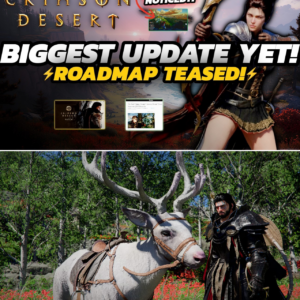
THE GREAT REPAIR: Pearl Abyss ‘Resurrects’ Crimson Desert with Record-Breaking Patch and Stealth Roadmap Teasers
THE UPDATE THAT FIXED EVERYTHING! 🛠️📦✨ Pearl Abyss just dropped a massive “W” with the 1.02 Patch: 1,000 Storage Slots, “Classic” controls, and the legendary Helm-Off toggle are finally HERE! 🚨 The Crimson Desert community is cheering as the devs…
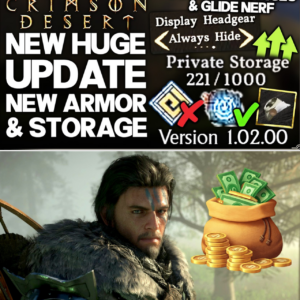
PYWEL REBORN: Massive Crimson Desert Update Unleashes 1,000-Slot Storage and the Long-Awaited ‘Helm Off’ Toggle
THE UPDATE WE’VE ALL BEEN WAITING FOR IS HERE! 🛠️📦🐺 Crimson Desert Patch 1.02 just dropped, and it is NUKING the inventory struggle! 1,000 slots of storage? YES PLEASE! 🚨 The Crimson Desert community is celebrating today as Pearl Abyss…
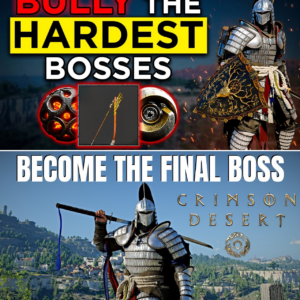
THE TITAN SLAYER: New ‘Infinite Stun’ Meta Reveals How to Bully Crimson Desert’s Most Overwhelming Bosses
STOP GETTING BULLIED BY OVERWHELMING BEINGS! ⚔️🔥👹 Are the Forgotten General or Belellith flattening you like a runaway train? The “Infinite Stun” and “Volcanic Archer” metas are officially here to save your playthrough! 🚨 The Crimson Desert community is reeling…
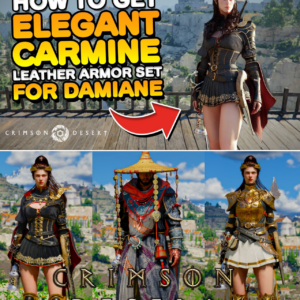
DEADLY ELEGANCE: ‘Elegant Carmine’ Armor Blueprint Discovered for Damiane After High-Stakes Jungle Raid
UNLEASH THE ELEMENTAL PRINCESS: DAMIANE’S CARMINE ARMOR FOUND! 🎭🛡️✨ Stop letting Damiane wear basic gear! The blueprint for the ultra-rare Elegant Carmine Leather set has finally been located—but beware, this treasure is buried deep in a trap-filled cave! 🚨 The…
End of content
No more pages to load