🚨 HOUSE OF THE DRAGON SEASON 3 BOMBSHELL: Rhaenyra’s “genius” Dragonseeds plan is about to BACKFIRE SPECTACULARLY! 😱🐉🔥
She thought arming bastards with the most powerful weapons in Westeros would win her the throne. Hugh Hammer on Vermithor, Ulf the White on Silverwing, Addam on Seasmoke—Team Black suddenly had dragon supremacy. But whispers from the trailer and book lore scream betrayal:
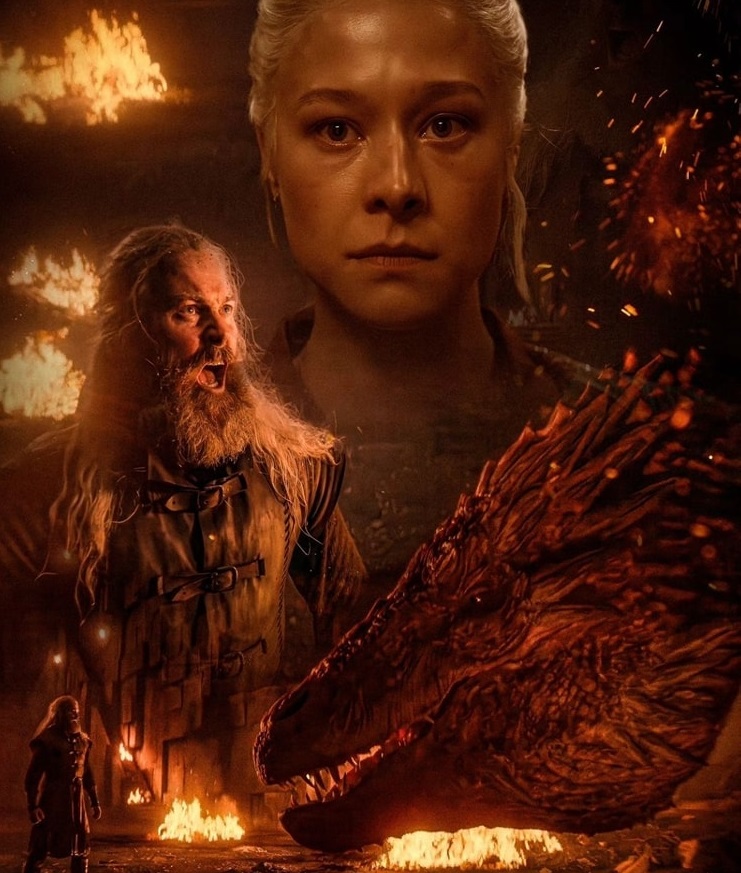
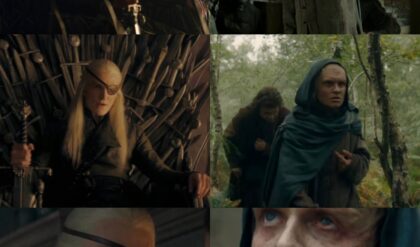
As House of the Dragon gears up for its third season premiere in June 2026, the latest trailer has reignited fierce debate among fans: Were Rhaenyra Targaryen’s dragonseeds—the lowborn bastards granted the power of ancient dragons—the smartest wartime move or the queen’s most catastrophic blunder? In George R.R. Martin’s Fire & Blood, the recruitment of these “seeds” dramatically shifts the Dance of the Dragons, giving Team Black aerial dominance before unraveling into betrayal, paranoia, and collapse. With the show already diverging in key ways, Season 3 appears poised to explore this high-stakes gamble in brutal detail.
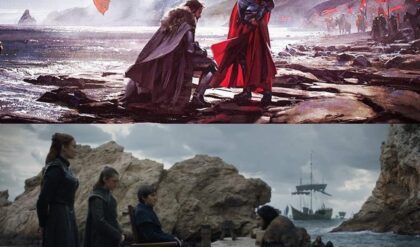
The dragonseeds originate from Targaryen (and Velaryon) bastards scattered across Westeros, descendants of dragonlords whose blood still carries the spark needed to bond with a dragon. After losses like Rhaenys and Meleys at Rook’s Rest, and with Vhagar looming as an unbeatable threat, Rhaenyra’s camp faces a dire shortage of dragonriders. Prince Jacaerys Velaryon proposes a bold solution: summon those with Valyrian heritage to claim the riderless dragons on Dragonstone—Vermithor, Silverwing, and Seasmoke. Mysaria, the White Worm, aids by spreading word in King’s Landing, promising knighthoods, lands, and riches to successful claimants.
The Red Sowing proves deadly. Many perish in flames or dragon jaws, but successes emerge: Addam of Hull bonds with Seasmoke (formerly Laenor’s mount), Hugh Hammer claims the mighty Vermithor (once ridden by King Jaehaerys I), and Ulf the White tames Silverwing (Queen Alysanne’s dragon). Suddenly, Rhaenyra commands more dragons than the Greens, tipping the scales toward an assault on King’s Landing.
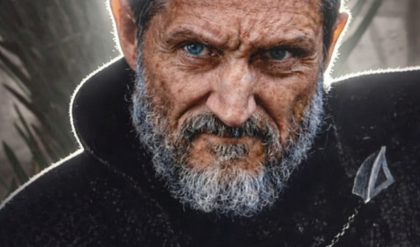
Yet the plan sows seeds of destruction. In the books, the dragonseeds’ newfound power breeds ambition. Hugh and Ulf, elevated from humble origins, demand lordships, castles, and noble brides—rewards Rhaenyra deems excessive. When denied, they defect during the Second Battle of Tumbleton, turning their dragons against Black forces in an act dubbed the “Two Betrayers.” Their treason devastates Rhaenyra’s army, allows the Greens to regroup, and fuels paranoia that poisons her rule. Even loyal Addam faces suspicion; accused of potential treachery, he flees to prove his innocence in battle, only to die heroically.
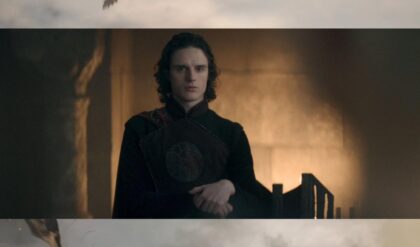
The show has amplified these tensions. Season 2 portrays Jacaerys as furious over the plan, arguing it dilutes Targaryen exceptionalism and threatens his own legitimacy as Rhaenyra’s heir (his dark hair already marks him as potentially illegitimate). He warns that arming unproven lowborns risks everything, a fear the trailer echoes through Rhaenyra’s visible strain and Daemon’s ominous words. The recruitment from King’s Landing adds class friction absent in the book’s Dragonstone-focused sowing.
Season 3 teases escalation. The trailer shows dragonfire raining over battlefields, with references to Rhaenyra’s “new dragons” and the Battle of the Gullet looming. Hugh (Kieran Bew) and Ulf (Tom Bennett) appear poised for prominence, their dragons Vermithor and Silverwing towering threats. Addam (Clinton Liberty) remains a wildcard—loyal in early portrayals but vulnerable to the same distrust that doomed him in the source material.
Critics of Rhaenyra’s strategy point to poor handling. She promises rewards but balks at fulfilling them, alienating powerful new allies. Unlike more ruthless rulers who might eliminate threats preemptively, she hesitates, allowing resentment to fester. Reddit discussions and fan analyses argue this mirrors her broader flaws: idealism clashing with pragmatism, trust misplaced in ambition. One Reddit thread calls her mishandling “horrific,” suggesting even Cersei Lannister would have secured loyalty through fear or gold.
The show’s changes heighten the drama. By cutting Nettles (a key dragonseed who bonds with wild Sheepstealer through non-Valyrian means and faces accusations tied to Daemon), elements may shift to Rhaena Targaryen or others. This could streamline the betrayal arc but risks diluting themes of blood purity versus merit. The trailer’s focus on Rhaenyra’s tears and Daemon’s line—“This is the moment you become queen”—hints at a pivotal, heartbreaking turn, possibly tied to losses from dragonseed fallout.
Consequences ripple outward. The betrayals at Tumbleton prolong the war, weaken Rhaenyra’s grip on King’s Landing (which she briefly seizes), and contribute to her eventual downfall. Paranoia leads to harsh measures: taxing the smallfolk, executing suspected traitors, and alienating supporters like Corlys Velaryon. Her rule crumbles under the weight of distrust she helped create.
Yet the dragonseeds also represent Rhaenyra’s adaptability. In a war where dragons decide fates, she innovates when traditional Targaryen supremacy falters. The plan buys time, wins battles like the Gullet (despite heavy costs, including Jacaerys’s life), and underscores a core Martin theme: power corrupts regardless of birth. Lowborn riders prove as capable—and treacherous—as nobles.
As Season 3 unfolds, viewers will see if the show leans into the books’ tragedy or softens it. With the Dance entering its bloodiest phase, the dragonseeds stand as a double-edged sword: Rhaenyra’s greatest asset and her undoing. Her decision to arm the ambitious may grant short-term victory but ensures long-term ruin, proving that in Westeros, even the mightiest dragons can burn their own riders.