You think the Bridgerton balls smelled like roses and romance? Think again – the real Regency era was a nightmare of body odor, chamber pots, and street sewage that would make your eyes water! 🤢💨
Behind those elegant gowns and powdered wigs, the ton battled constant stink: people bathed maybe once a week (if they were lucky and rich), armpits soaked through with no deodorant, horse manure piled high on London streets, and chamber pots emptied into backyard cesspools right under those fancy windows. Upper-class ladies sponged off daily with scented water and drowned everything in heavy perfumes, while the poor just… dealt with it. One hot ballroom night? Sweat, unwashed linen, and a whiff of the Thames’ open sewer – pure horror!
Bridgerton glamorizes it all, but the smelly truth? Even the elite’s “clean” routines would gross out modern noses. From lavender oils masking BO to bourdaloues for discreet relief at balls, the hygiene hacks were wild… and often failed spectacularly.
Ready to uncover how they REALLY stayed (sort of) fresh in 1810s London? The shocking details will make you appreciate your shower forever. Hold your nose! 👇
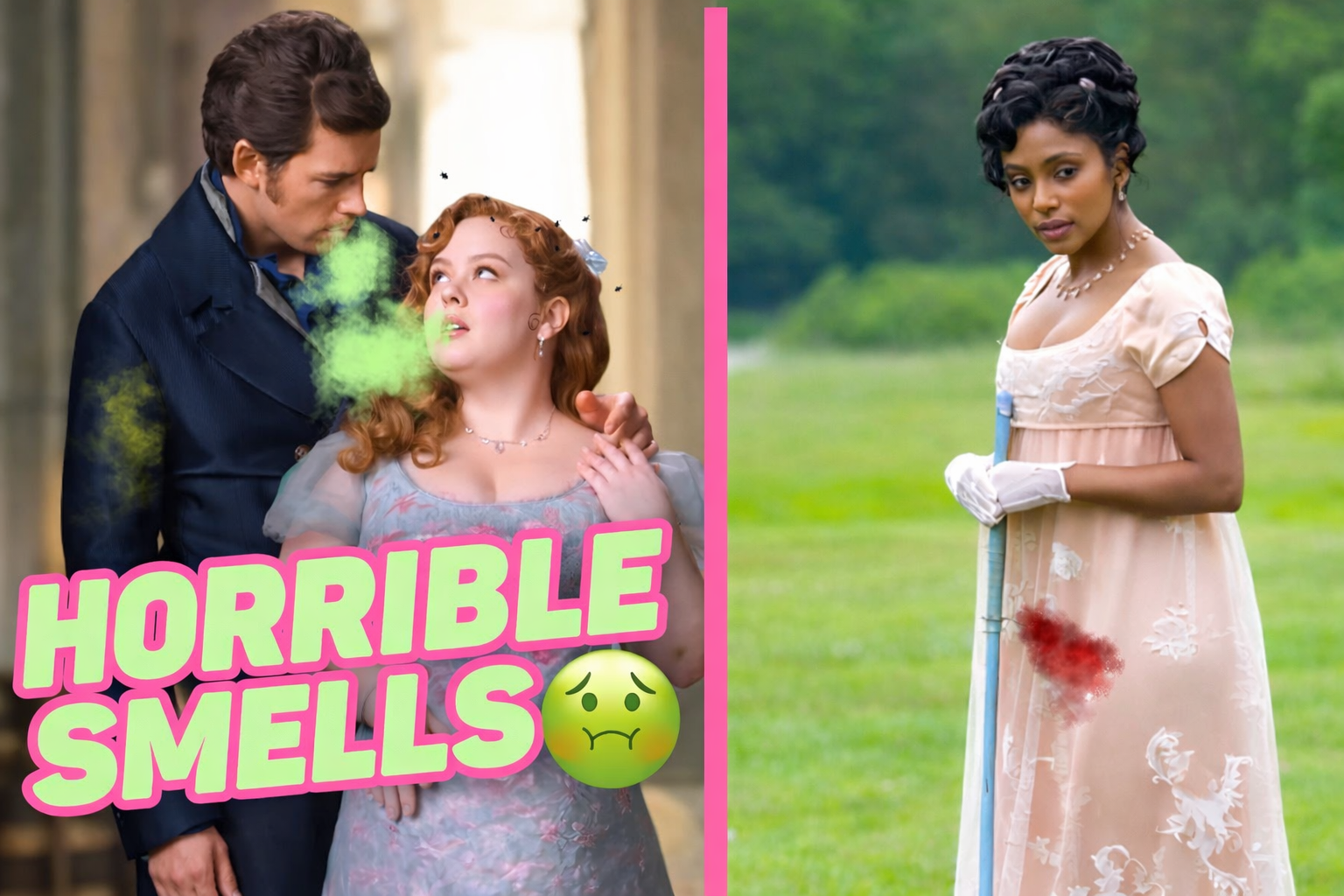
The Netflix series Bridgerton paints Regency England as a world of glittering balls, pristine gowns, and romantic encounters amid fragrant gardens. Yet the historical reality of hygiene and odors in the early 19th century—roughly 1811 to 1820—was far less glamorous. London, the bustling heart of the ton, reeked from open sewers, animal waste, and human effluent. Personal cleanliness lagged behind modern standards, with full-body bathing rare even among the wealthy. The era’s approach to hygiene relied on spot-cleaning, frequent linen changes, heavy perfumes, and creative masking techniques that often fell short.
Medical beliefs shaped attitudes toward bathing. Many physicians warned that hot water opened pores to disease, while cold baths risked shock or illness. The lingering miasma theory held that foul airs caused sickness, so people focused on avoiding “bad smells” rather than eliminating bacteria. Cleanliness meant fresh undergarments and visible grooming more than immersion in water. Upper-class households prioritized appearance and scent over deep scrubbing.
Daily routines centered on sponge baths or washbasins. Most people—rich or poor—washed faces, hands, necks, and “odiferous” areas like armpits and genitals using a pitcher and basin. Servants delivered hot water for the privileged, who might add scented oils or rosewater. Soap existed but varied in quality: affordable versions were soft, caustic pastes made from animal fats and lye, while luxury perfumed bars imported from France or made locally appealed to the elite. Beau Brummell, the era’s arbiter of fashion, reportedly bathed daily and championed cleanliness, influencing dandies to wash more often. Yet even he was an exception; full immersion tubs were cumbersome, requiring servants to haul and heat buckets of water.
Bathing frequency differed by class. The upper crust might indulge in a weekly hot bath, especially during the Season when social demands peaked. Public baths or medicinal spas in places like Bath offered immersion for health reasons, though these focused on cures rather than routine hygiene. Lower classes bathed far less—perhaps monthly or seasonally—due to limited access to hot water and privacy. Many relied on rivers or public pumps for washing.
Clothing played a crucial role in perceived cleanliness. Linen shifts for women and shirts for men, worn next to the skin, absorbed sweat and oils. These were changed daily or every few days, even among the poor, as fresh linen signaled respectability. Outer garments, made of wool, silk, or cotton, were brushed or spot-cleaned rather than laundered often—harsh washing damaged fabrics. Without modern detergents, stains and odors built up over time.
Body odor posed a persistent challenge without deodorants or antiperspirants (invented later in the century). At balls, dancing in heavy layers led to profuse sweating. To combat this, people used dress shields—moon-shaped pads sewn into armpits to absorb moisture—or applied scented powders and pomades. Perfume was essential: floral colognes like lavender, rose, jasmine, or citrus-based eaux de cologne masked smells subtly. Heavy musks from earlier eras gave way to lighter scents as fashion evolved. Pomanders—ornate balls or boxes filled with spices, herbs, or ambergris—were carried or worn to ward off foul airs.
Sanitation in homes and streets amplified odors. Chamber pots, stored under beds or in sideboards, collected waste overnight. Servants emptied them into backyard cesspools or street gutters. In wealthier homes, these pits were covered, but leaks and overflows were common. London streets teemed with horse manure—thousands of animals daily produced mounds that baked in summer heat. Night soil men collected human waste for fertilizer, but open dumping persisted. The Thames served as an open sewer, its stench drifting into fashionable areas. During hot spells, the “Great Stink” precursors made public life unbearable.
Public health responses were limited. Some used vinegar-soaked cloths or lead acetate masks against miasmas, though these offered little protection. Privies outside homes featured planted flowers to mask odors. At grand events, discreet relief came via the bourdaloue—a slipper-shaped female urinal slipped under skirts for use without undressing. Men used chamber pots behind screens or in corners.
Bridgerton softens this reality. Scenes show luxurious tubs and pristine settings, but historical accounts suggest even elite hygiene was basic. Sponge baths with scented soap were more common than full soaks. The show’s emphasis on romance overlooks how odors influenced social dynamics—unpleasant smells marked lower status or poor health, while perfumed freshness signaled refinement.
Diet and lifestyle affected body odor too. Meat-heavy aristocratic meals contrasted with lighter working-class fare, potentially altering scents. Natural fibers breathed better than synthetics, and different skin bacteria may have produced milder odors than today. Still, end-of-ball funk resembled a modern gym locker room.
By the late Regency, attitudes shifted. Influenced by Enlightenment ideas and figures like John Wesley (“Cleanliness is next to godliness”), bathing gained favor as health-promoting. Yet widespread daily showers waited until plumbing advances later in the Victorian era.
The smelly truth of the Bridgerton era reveals a society resourceful in masking discomfort. Perfumes, fresh linens, and spot-cleaning maintained appearances amid unavoidable filth. Modern viewers might recoil, but contemporaries adapted—proving elegance often hid grit. Next time you watch a Bridgerton ball, imagine the hidden scents: a mix of lavender, sweat, and distant sewage that no amount of wisteria could fully conceal.