Bill Skarsgård just confessed: voicing Pennywise started to scare HIM.
The man who terrified millions as the sewer-dwelling clown admits that practicing that iconic, guttural laugh alone in a room made his own skin crawl.
“It started with a laugh… on the verge of a panic attack and crying at the same time,” he revealed in a fresh interview. “When I started doing it just by myself, I started to creep myself out.”
And the weird side effects? Chugging soda water by the gallon to get that raspy, inhuman edge—leading to endless belching, stomachaches, and probably some very strange looks from anyone nearby.
This is the same voice that haunted IT, IT Chapter Two, and now echoes through HBO’s Welcome to Derry—a sound so unnatural it even unnerved the actor who created it. Was Pennywise bleeding into real life? Or was Bill tapping into something ancient and wrong?
Fans are freaking out over this behind-the-scenes nightmare fuel, especially with the prequel dropping new layers on the clown’s terror. 🎈😱
Read more:
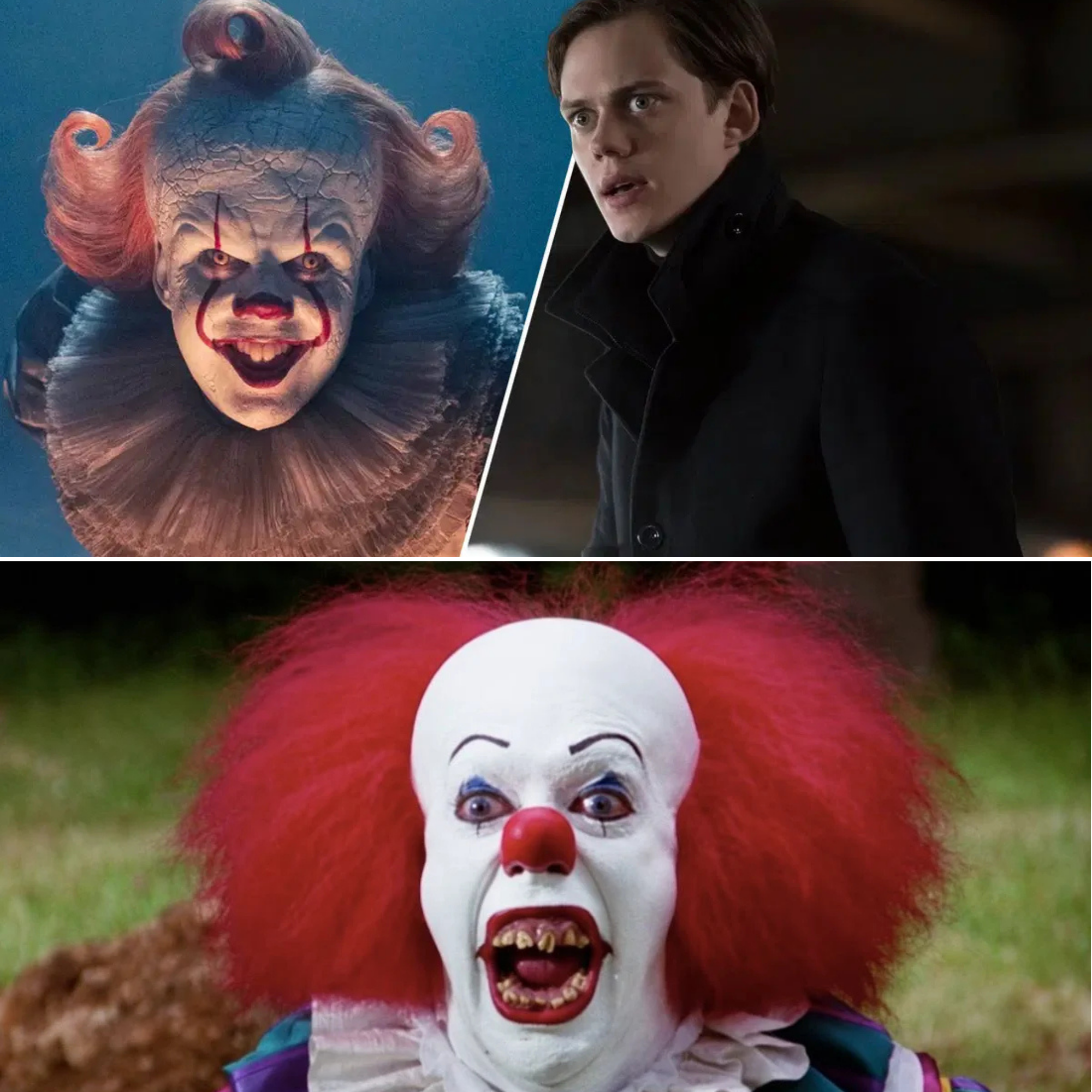
Bill Skarsgård’s portrayal of Pennywise the Dancing Clown in the 2017 IT remake and its 2019 sequel remains one of the most iconic horror performances of the modern era. The Swedish actor transformed Stephen King’s ancient, shape-shifting entity into a pop-culture phenomenon, blending childlike menace with otherworldly dread. Much of that terror stemmed from Pennywise’s voice—a distorted, guttural mix of giggles, growls, and taunts that seemed to crawl from somewhere inhuman.
In a recent interview resurfacing amid buzz for HBO’s IT: Welcome to Derry—where Skarsgård reprises the role and serves as an executive producer—the actor opened up about the unusual process behind crafting that signature sound. Speaking to outlets like Variety (in comments originally shared during the 2017 promotional cycle but recirculated in late 2025 discussions), Skarsgård described how the voice began as an experiment that quickly turned unsettling for him personally.
“The voice for me sort of started out with a laugh,” he explained. “I was playing around with a laugh, but on the verge of a panic attack and crying at the same time. When I started doing it just by myself, I started to creep myself out.” The admission highlights a rare moment where the performer felt unnerved by his own creation. Skarsgård noted that the laugh’s unnatural quality was intentional—it didn’t sound like a human laugh, reinforcing Pennywise’s alien nature as an eldritch being from beyond our dimension.
To achieve the raspy, gravelly texture that made lines like “We all float down here” so chilling, Skarsgård employed a quirky but effective technique: consuming large amounts of soda water. The carbonation irritated his throat just enough to add grit without permanent damage. However, the method came with comedic yet uncomfortable drawbacks. “I had a lot of soda to get into the character’s voice, which resulted in belching and a stomachache,” he recalled in related interviews. The actor endured physical discomfort—burping fits during rehearsals and general unease—to nail the eerie timbre that became synonymous with the character.
This behind-the-scenes detail adds a human layer to one of horror’s most frightening villains. Skarsgård, relatively unknown before IT, auditioned amid nerves but committed fully once cast. Director Andy Muschietti encouraged experimentation, allowing the actor to explore physicality and vocal quirks. The result was a performance that relied heavily on subtlety: exaggerated facial contortions (often achieved without heavy CGI), elongated limbs in costume, and that voice which shifted unpredictably from playful to predatory.
The voice’s impact extended beyond the screen. Fans and critics alike praised how it amplified Pennywise’s psychological terror—taunting victims with sing-song mockery before unleashing raw savagery. In IT Chapter Two, the voice evolved to reflect the entity’s growing desperation as the adult Losers’ Club confronted it, incorporating more distorted echoes and layered effects in post-production. Skarsgård’s willingness to push boundaries—practicing alone until it disturbed even him—underscored his dedication.
The revelation resurfaced prominently in late 2025 as Welcome to Derry concluded its first season on HBO. The prequel series, set in 1962, explores earlier cycles of Pennywise’s awakenings in the cursed town. Skarsgård’s limited but pivotal appearances—including a bloodied, taunting confrontation on frozen river ice—rely on the same vocal menace. The show’s finale, with its time-bending twists and hints at the entity’s non-linear perception, reignited interest in how Skarsgård inhabits the role. Fans dissected clips of his laugh echoing through Derry’s fog, drawing parallels to his original process.
Skarsgård has spoken in other interviews about the toll of playing Pennywise. He described feeling “miserable” during shoots due to the heavy makeup, restrictive costume, and emotional intensity of terrorizing child actors (while always breaking character between takes to reassure them). Nightmares plagued him during filming, and the role’s darkness lingered. Yet he returned for the prequel, calling it an opportunity to explore untapped facets of the entity.
The soda-water trick became a lighthearted anecdote amid darker reflections. It humanizes the actor: a method actor enduring burps and self-induced creeps to deliver authenticity. Similar techniques appear in horror lore—actors like Doug Bradley (Pinhead in Hellraiser) or Tony Todd (Candyman) have discussed vocal strain and psychological immersion. Skarsgård’s experience fits this tradition, showing how performers sometimes confront their own fears to scare audiences.
Critics and audiences continue to celebrate the performance. IT (2017) grossed over $700 million worldwide, with Skarsgård’s Pennywise often cited as the standout element. The character’s voice became meme fodder and Halloween staple, yet the actor’s admission adds depth—reminding viewers that the terror began in a quiet room with one man experimenting until it unnerved him.
As Welcome to Derry potentially sets up further seasons exploring Pennywise’s history, Skarsgård’s insights remain compelling. The voice that crept him out has crept into pop culture, proving that sometimes the scariest things start small—and alone.