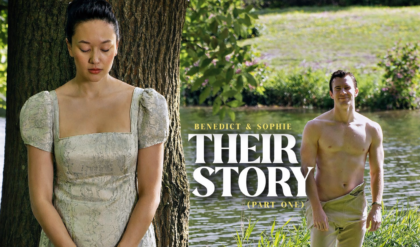
🚨 Is BRIDGERTON Season 4 Just a Modern CINDERELLA Retelling? The Fairytale Easter Eggs in Benedict & Sophie’s Story Will Blow Your Mind! 😱👠✨
You felt it from the first masquerade ball scene… that magical, forbidden romance vibe?
Read more:
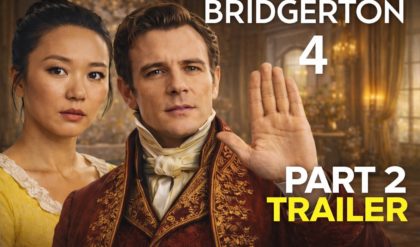
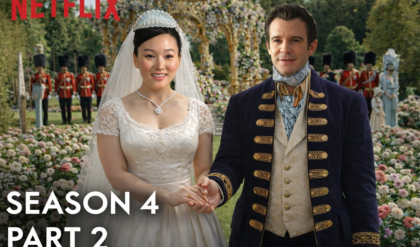
Bridgerton Season 4, which premiered its first four episodes on January 29, 2026, with the remainder arriving February 26, has captivated audiences with the romance between Benedict Bridgerton (Luke Thompson) and Sophie Baek (Yerin Ha). Adapted from Julia Quinn’s novel An Offer from a Gentleman, the storyline draws heavily from the classic fairy tale Cinderella, incorporating familiar elements while introducing modern twists to fit the Regency-era drama’s tone.
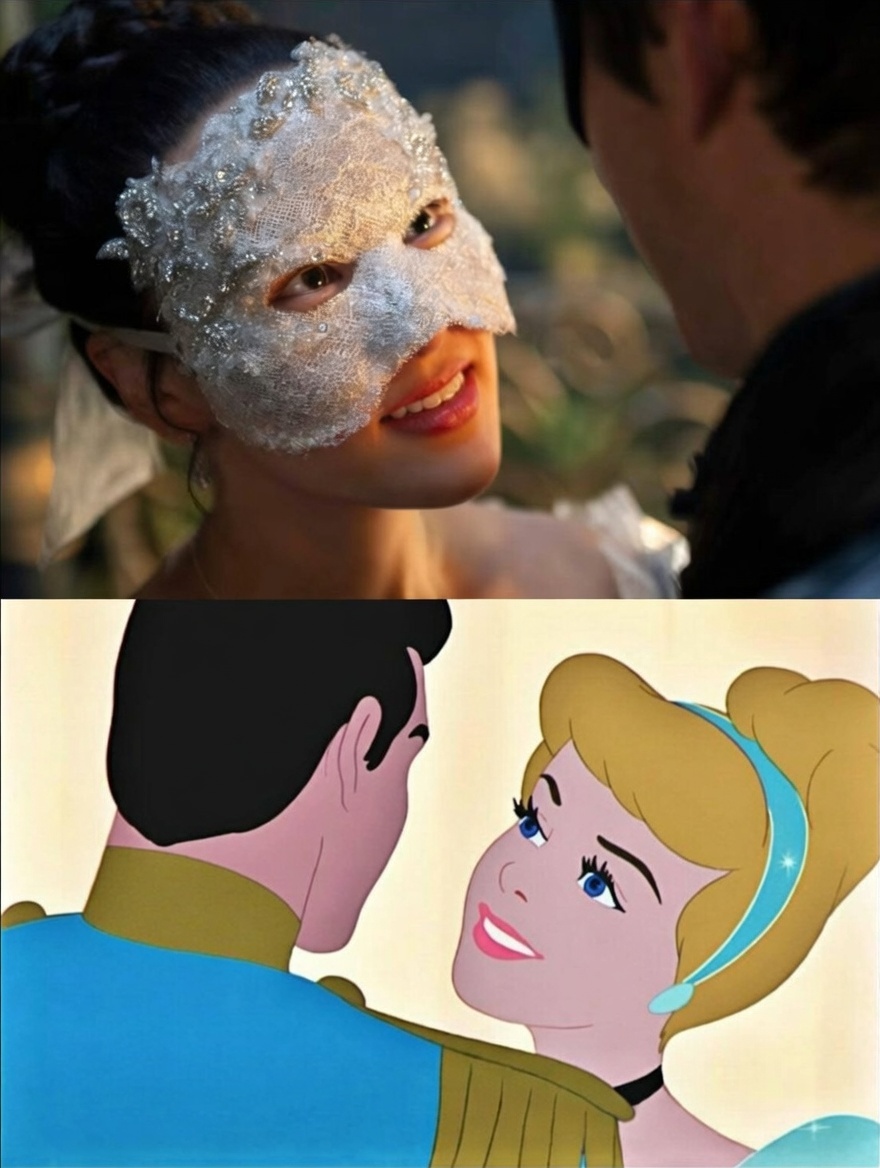
The parallels begin with the central setup. In Cinderella, a young woman of lowly status—mistreated by her stepfamily—attends a grand ball in disguise, captivates a prince, and flees at midnight, leaving behind a glass slipper. Bridgerton mirrors this closely: Sophie, a maid enduring hardship under her cruel stepmother Araminta Gun (Katie Leung) and stepsisters, sneaks into Violet Bridgerton’s lavish masquerade ball wearing borrowed finery, including silver heels and heirloom gloves embroidered with a family crest. She shares a magical dance and connection with Benedict, the artistic second Bridgerton son, before vanishing as the clock strikes, leaving behind one monogrammed glove as her “slipper.”
Benedict embarks on a determined search for the mysterious “Lady in Silver,” much like the prince’s quest with the slipper. His obsession drives him to visit households, question clues, and grapple with the fantasy of his enchanted night versus the reality of daily life. Showrunner Jess Brownell has acknowledged the inspiration, telling outlets like The Hollywood Reporter that the season plays with the “classic damsel in distress setup” while emphasizing Sophie’s independence and agency—no fairy godmother or magic appears; Sophie’s transformation relies on her own daring and resourcefulness.
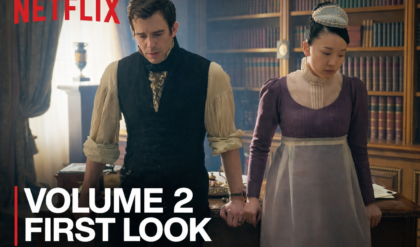
The evil stepfamily trope is prominent. Araminta, Sophie’s stepmother, promises to care for her after her father’s death but reduces her to servitude due to her illegitimacy. This echoes Cinderella’s wicked stepmother and stepsisters, who exploit and belittle the heroine. In the show, Araminta’s cruelty forces Sophie into menial labor, contrasting sharply with the opulent world of the ton that Benedict inhabits.
Class disparity forms the core conflict, amplifying the fairy tale’s themes. Cinderella’s rags-to-riches ascent highlights social mobility through love; Bridgerton uses the upstairs-downstairs divide to explore whether genuine romance can bridge rigid Regency hierarchies. Benedict initially sees Sophie as a maid while idealizing the Lady in Silver, creating dramatic irony as he falls for both versions of the same woman without realizing it.
Show elements add fairytale flair. The masquerade ball itself evokes enchantment—masks hide identities, allowing forbidden connections. Lighting, costumes, and music create a dreamlike atmosphere, with sweeping orchestral scores and modern pop covers enhancing the magical feel. Benedict’s artistic nature reinforces his “prince” role—he paints and dreams, contrasting Sophie’s grounded reality.
Differences from the traditional tale modernize the narrative. Sophie refuses passive rescue; she asserts her worth, rejecting Benedict’s controversial mistress proposal in Part 1 after their intimate moments. This reframes the story from one of salvation to mutual growth. Benedict’s character softens compared to the book—he confronts privilege and learns respect rather than entitlement. Diversity updates include Sophie’s East Asian heritage (via Yerin Ha’s casting), aligning with Bridgerton’s inclusive approach.
Supporting fairytale nods appear subtly. Violet Bridgerton’s nurturing role echoes a benevolent maternal figure, while family involvement adds warmth absent in stricter Cinderella versions. The season explores fantasy versus reality, as Brownell noted: Benedict inhabits dreams, Sophie faces harsh truths, and love requires compromise.
Fan reactions highlight the appeal. Social media buzz praises the “Cinderella vibes,” with many calling it the most enchanting season. Comparisons to adaptations like Ever After or Rodgers + Hammerstein’s Cinderella underscore its timeless draw. Critics note how the structure provides emotional grounding amid scandal.
As Part 2 approaches, anticipation centers on resolution: Will Benedict’s search end in recognition and equality? The fairy tale framework promises a happily ever after, but Bridgerton tempers it with realism—class barriers, personal trauma, and growth.
Bridgerton Season 4 leverages Cinderella’s enduring magic while evolving it for contemporary viewers. The references—from masquerade enchantment to lost glove quests—create a romantic, visually stunning arc that fits the franchise’s blend of tradition and innovation.
With massive viewership and renewals ahead, the season reaffirms Bridgerton’s knack for timeless tales. Benedict and Sophie’s story may be Cinderella-inspired, but its heart lies in proving love can transcend fantasy—and reality.