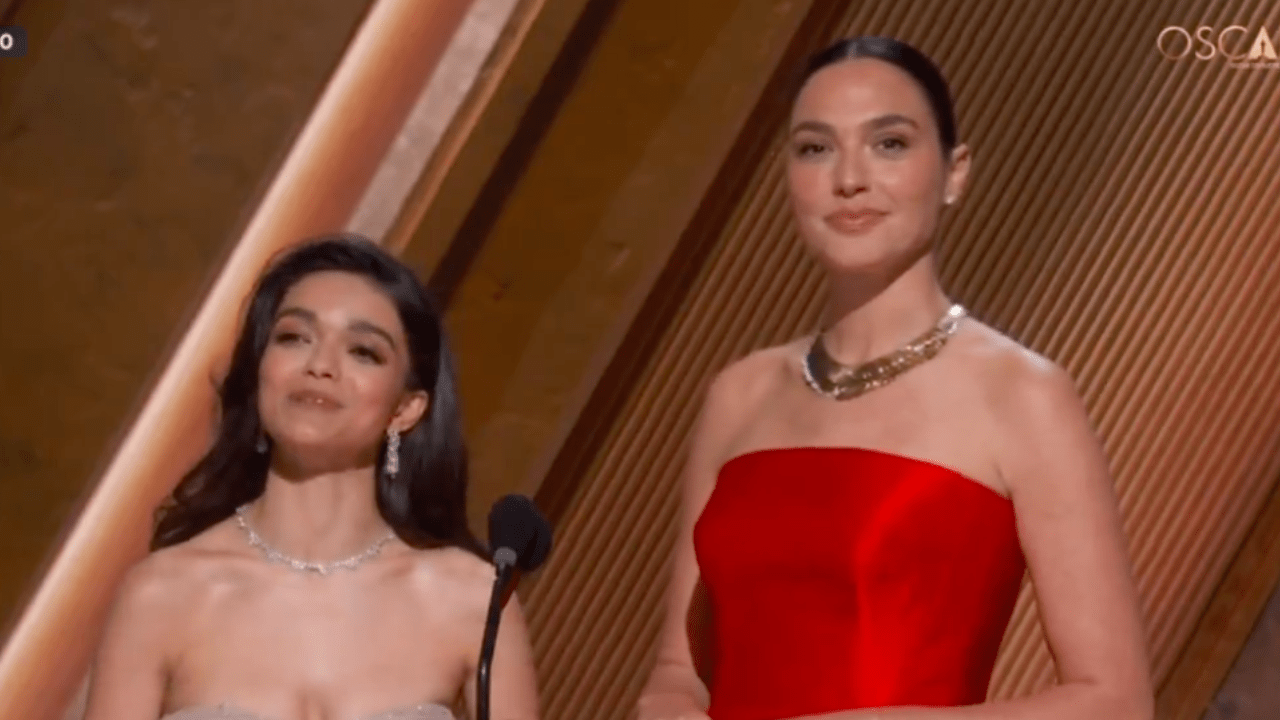
With Snow White just days from release, even Variety is acknowledging Disney’s struggles with the film. But rather than focus on the real reason audiences have rejected it—Disney’s creative choices and Rachel Zegler’s inflammatory remarks—the legacy media is now subtly bringing Gal Gadot into the conversation.
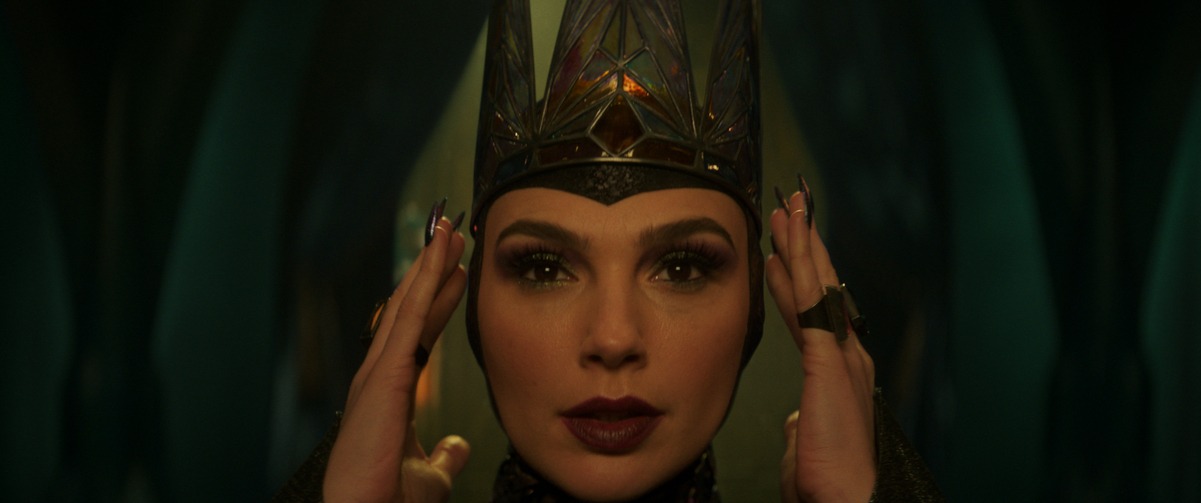
Gal Gadot as the Evil Queen in Disney’s live-action SNOW WHITE. Photo courtesy of Disney. © 2024 Disney Enterprises Inc. All Rights Reserved
Disney has already scaled back Snow White’s Hollywood premiere, limiting media access and skipping the usual red carpet spectacle, a move that signals serious concerns over public reception. However, in a Variety report about the scaled-back event, the article made an unnecessary pivot toward Gadot, attempting to tie her recent speech at the Anti-Defamation League (ADL) summit to the controversy surrounding Snow White.
The problem? Gadot’s remarks had nothing to do with the film, while Zegler’s repeated missteps are the real reason this movie has been a PR disaster.
Variety’s Attempted Narrative Shift
In his article, Variety reporter Marc Malkin, a man who’s most well known for asking actors about same-sex relationships in their projects, wrote:
“World politics have also come into play. Zegler has promoted ‘free Palestine’ on social media. At the same time, Gadot, who is Israeli, has become an outspoken supporter of Israel on social media as well as in a passionate speech she delivered on March 4 when she was honored at the Anti-Defamation League’s annual summit in New York City.”
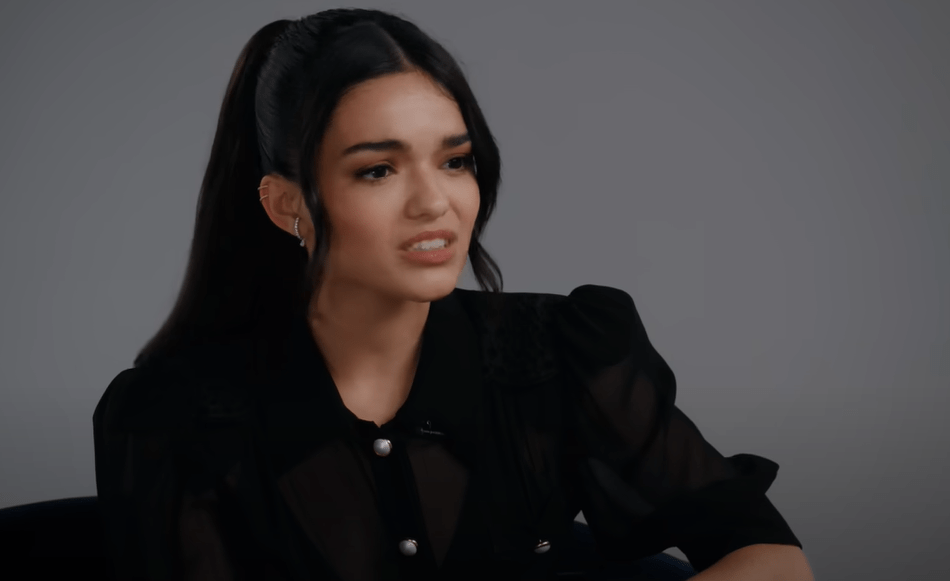
Rachel Zegler via Variety YouTube
This framing is deliberate. Instead of keeping the focus on Zegler’s self-inflicted controversies, Variety introduces Gadot through Malkin as if her speech at a formal ADL event somehow plays a role in Snow White’s struggles.
This is a textbook deflection tactic, an attempt to shift the conversation from Disney’s failure to manage the film’s rollout to a broader political issue. Malkin shovels blame away from the combustable Zegler and onto Gadot, a woman who spoke at an anti-defamation conference and affirmed her identity as a Jewish person.
A Clear Difference: Context Matters
Gadot’s speech at the ADL was entirely appropriate for the occasion. She spoke about her Jewish heritage, her family’s history, and the rise of anti-Jewish hostility, all within the context of an event designed to address these topics. Her remarks weren’t controversial, nor were they inserted into a space where they didn’t belong.
She was invited to speak about these issues, and she did so with poise and purpose.
“My name is Gal, and I’m Jewish,” she said. “Isn’t it crazy that just saying that—just expressing such a simple fact about who I am—feels like a controversial statement? But sadly, this is where we’re at today.”
She went on to say that she will continue to stand against anti-Jewish prejudice.
“We will call it out, but we will never let it not only defeat us but define us,” she noted. “Because our love is stronger than their hate.”
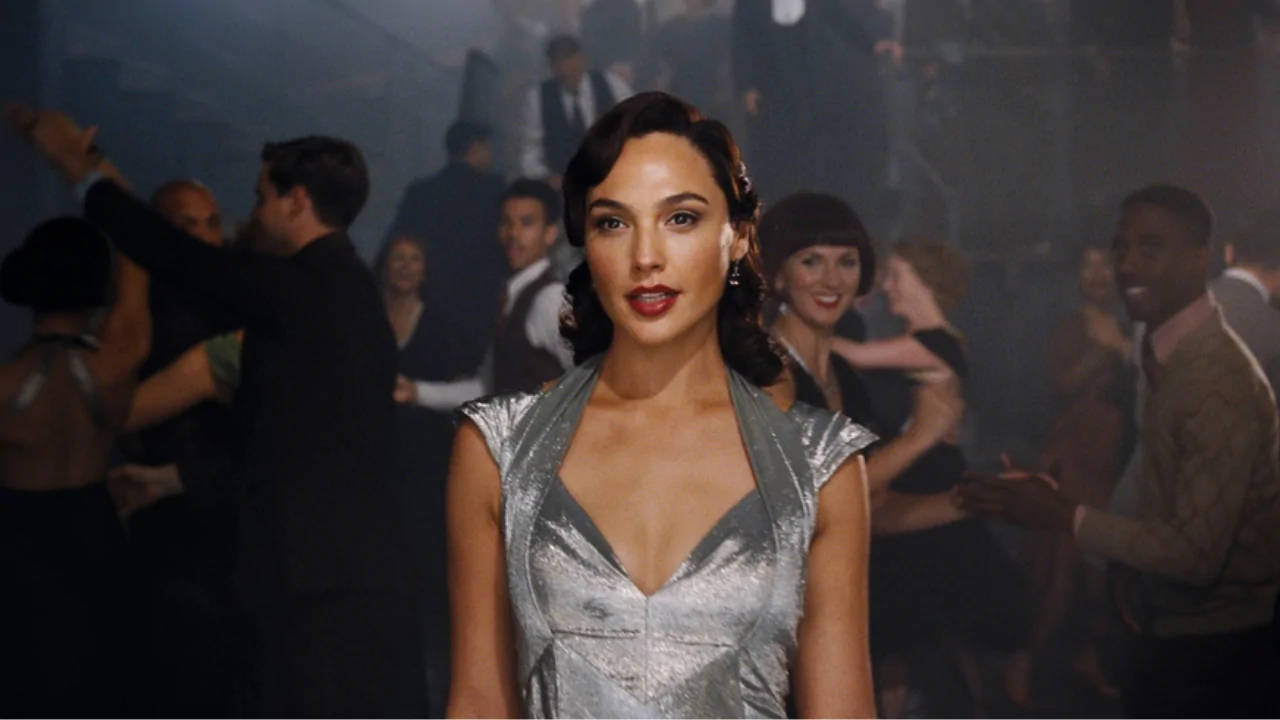
Gal Gadot as Linnet Ridgeway Doyle in 20th Century Studios’ DEATH ON THE NILE. Photo courtesy of 20th Century Studios. © 2022 20th Century Studios. All Rights Reserved.
These are the statements Variety is trying to lump into Snow White’s PR disaster. Gadot was speaking about her identity in a setting where it made sense. Meanwhile, Rachel Zegler hijacked a promotional post for Snow White’s trailer to clumsily inject her personal political stance, posting “Free Palestine” in a comment meant to push a Disney film.
Gal Gadot spoke about her identity at an ADL conference. Rachel Zegler tied her political stance directly into the promotion of this film. To conflate the two is egregious, offensive, and seems to reek of the very issues Gadot was speaking out against.
Zegler Used Snow White to Push Her Own Agenda
Zegler’s actions are what truly dragged Snow White into a political controversy. Instead of keeping the focus on the film, she chose to use her platform to make divisive statements in a space where it didn’t belong. This is in addition to her now-infamous comments dismissing the 1937 Snow White film, calling the prince a stalker and saying her version of the character would not be focused on true love.
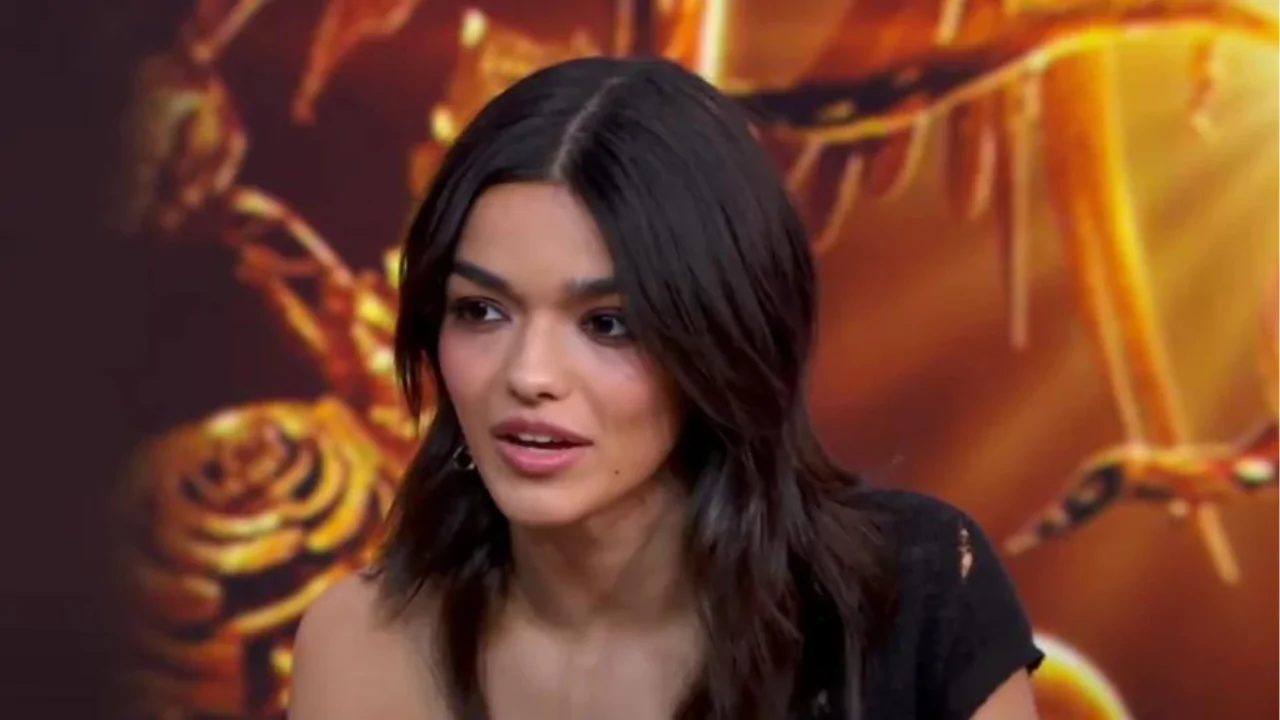
Rachel Zegler via Good Morning America YouTube
Disney has been in full damage control mode ever since, limiting her media exposure and keeping her away from major U.S. press interviews. The Tokyo promotional tour was heavily scripted, and the Hollywood premiere has been severely scaled back, signaling that Disney wants to minimize her ability to make headlines.
Yet, rather than focus on how Zegler’s words directly impacted audience perception, Variety is pulling in Gadot—a move that conveniently spreads the controversy wider, diffusing Zegler’s responsibility.
Media Deflection in Action
The Variety article by Marc Malkin is structured in a way that suggests a classic misdirection tactic. Instead of squarely addressing Disney’s mismanagement of Snow White, the piece draws attention to outside political issues, subtly implying that the controversy is more about global tensions than the film itself. In doing so, it shifts the conversation away from the reality that Disney’s marketing and Zegler’s behavior have tanked audience interest.
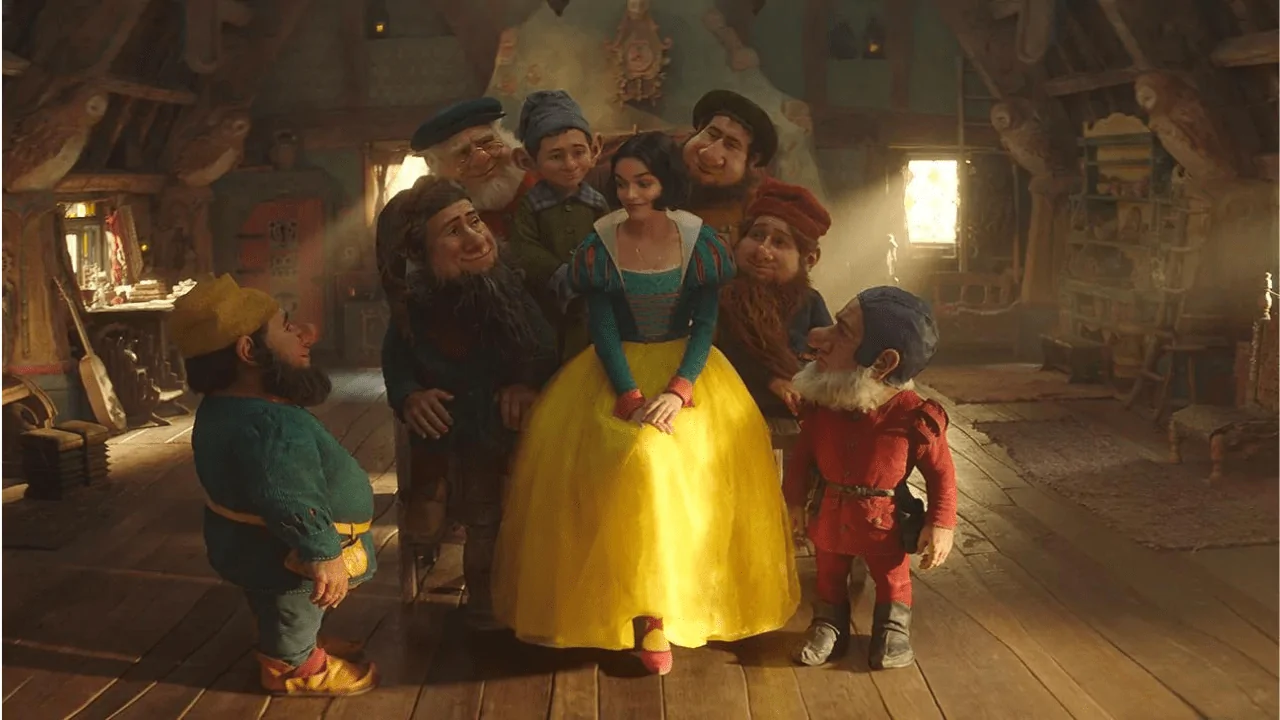
Rachel Zegler as Snow White in Snow White (2025), Walt Disney Studios
Let’s be clear: the Snow White backlash started long before Gadot spoke at the ADL. The film faced pushback when Disney made significant changes to the original story, when it replaced the Seven Dwarfs with a different lineup of characters, and when Zegler dismissed the legacy of the beloved animated film. It suffered further from Zegler’s political posturing, inserting the Middle Eastern conflict into a post promoting the film and going on a rant following Donald Trump’s presidential victory where she stated that Trump and his supporters should “never know peace.”
If audiences have turned on Snow White, it’s because of these creative choices and marketing failures—not because Gadot spoke about her identity and religion at an unrelated event.
Damage Control Before Release
Disney is clearly aware that Snow White is heading toward trouble. The scaled-back premiere, the lack of a full press tour for Zegler in the U.S., and the limited theatrical rollout all indicate that expectations are low.
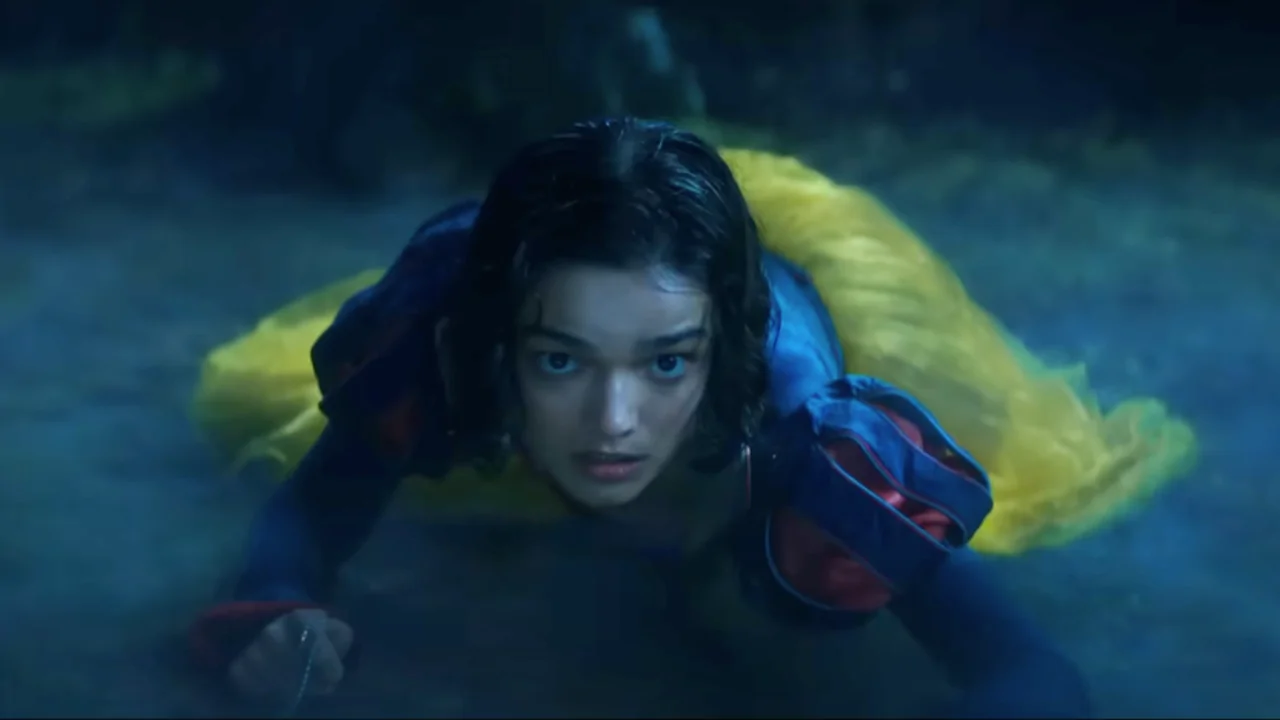
Rachel Zegler as Snow White in Snow White (2025), Walt Disney Studios
Now, with outlets like Variety trying to pull Gadot into the conversation, it appears that some in the media are looking for ways to diffuse blame. They’re perhaps setting up a narrative that suggests external political discourse, rather than Disney’s own missteps, is a reason for the film’s struggles. It also helps Rachel Zegler save face in the wake of her many controversies.
However, as press for the movie continues, Gadot is the one featured on talk shows while Zegler has been relegated to tightly controlled and scripted social media vignettes.
The Bottom Line
Audiences see through this. The backlash against Snow White was never about Gal Gadot’s assertion that her identity and religion are valid. It has always been about how Disney handled this remake and how its lead actress treated the film’s legacy. Gal Gadot’s speech had nothing to do with Snow White, and yet, Marc Malkin of Variety attempted to fold her into the controversy. It’s a transparent attempt to create a false equivalency where none exists.
Meanwhile, Zegler’s decision to push her political stance on a Snow White trailer post is the real problem. One actress stuck to discussing her identity in an appropriate forum, while the other inserted her opinions into a corporate film rollout and alienated a large portion of the audience. Yet the media is treating them as if they’re equally responsible for the backlash.
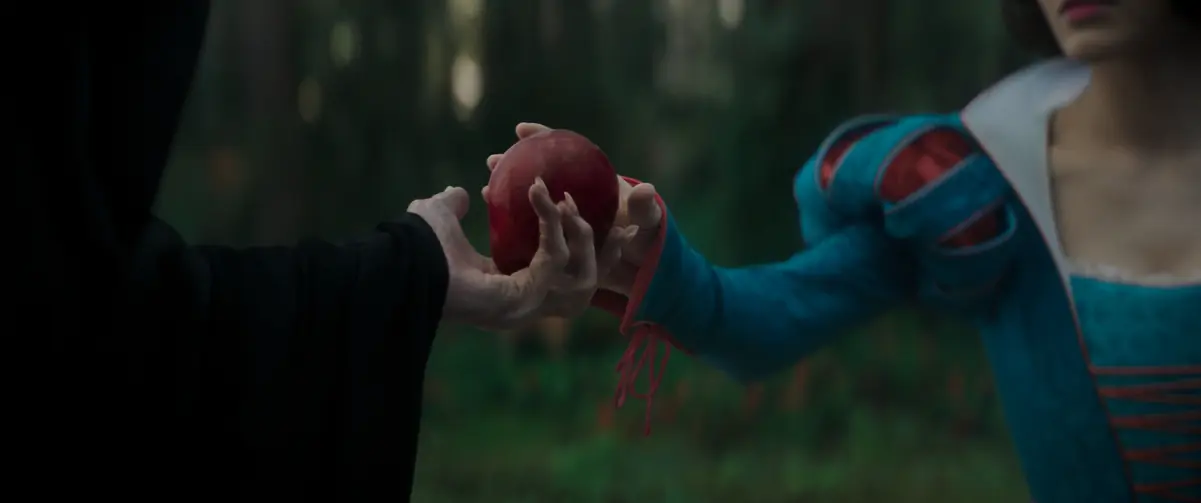
(L-R): Gal Gadot as the Evil Queen and Rachel Zegler as Snow White in Disney’s live-action SNOW WHITE. Photo courtesy of Disney. © 2024 Disney Enterprises Inc. All Rights Reserved.
As Snow White approaches release, expect more of these media deflection tactics to focus on Gal Gadot. But the real issue remains unchanged: audiences don’t trust this remake, and Disney has done little to change their minds.