🚨 THE 30 SECONDS THAT CHANGED EVERYTHING: Michael Jackson’s Pepsi Nightmare – The Untold Truth They Don’t Want You to Know! 🚨
January 27, 1984. The King of Pop is at the peak of his Thriller fame… descending a staircase, moonwalking through fireworks for a massive Pepsi ad with his brothers.
Then BAM—pyrotechnics explode TOO EARLY, TOO CLOSE. His heavily gelled hair IGNITES in seconds. Flames engulf his scalp. He keeps performing for a horrifying moment before the agony hits.
Second- (and some say third-) degree burns. Screaming fans. Hospital rush. Chronic pain that NEVER went away.
But here’s the real shocker:
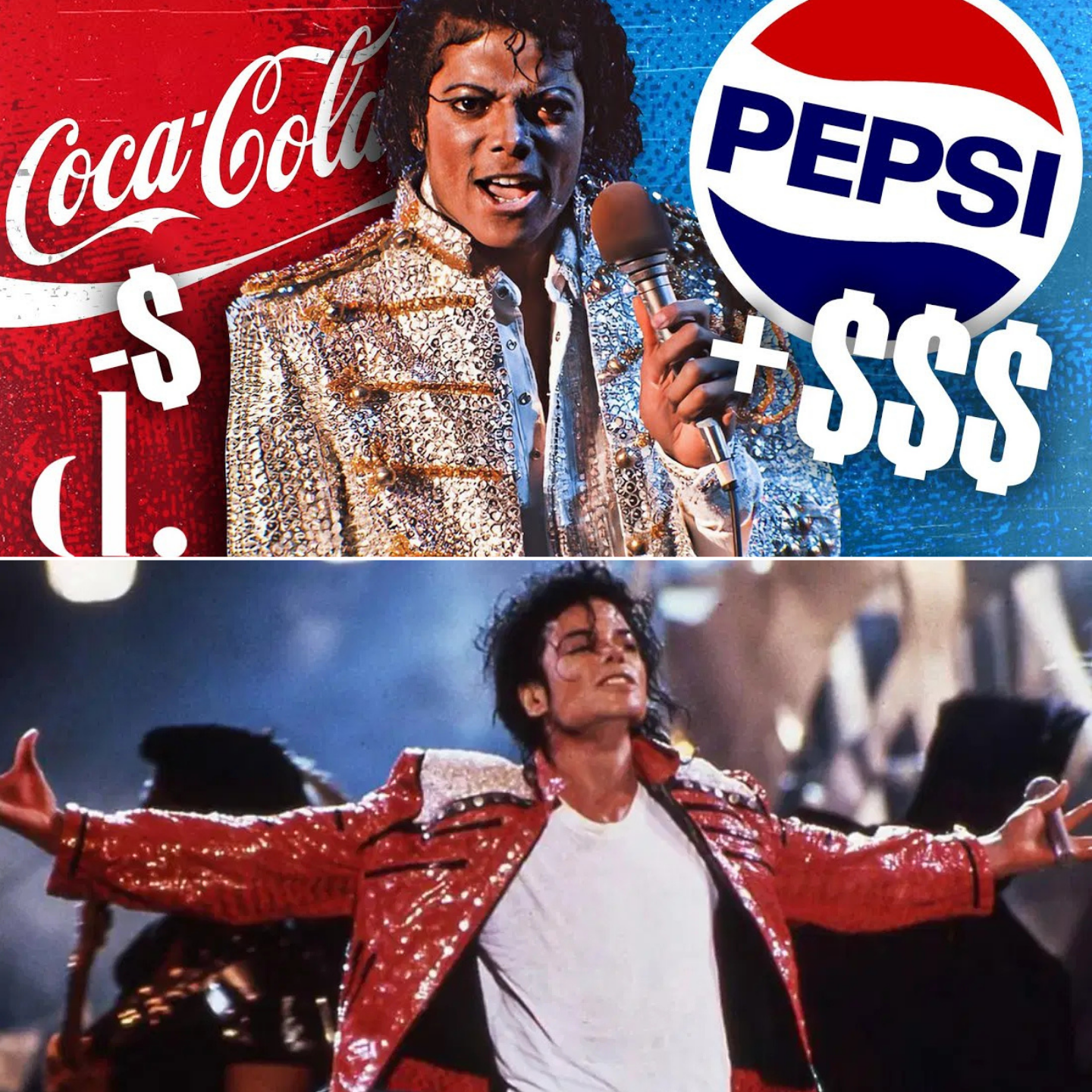
On January 27, 1984, Michael Jackson, then 25 and riding the unprecedented wave of success from his album “Thriller,” stepped onto the set at the Shrine Auditorium in Los Angeles to film a commercial for Pepsi-Cola alongside his brothers from The Jacksons. The spot was part of a high-profile endorsement deal worth millions, capitalizing on Jackson’s global superstardom. What was intended as a celebratory showcase of dance and energy turned into one of the most infamous on-set accidents in entertainment history.
The commercial featured Jackson performing “Billie Jean” while descending a staircase amid dramatic pyrotechnics—magnesium flash bombs designed to create explosive bursts of light for visual impact. According to accounts, including Jackson’s own reflections in his 1988 autobiography “Moonwalk,” the setup placed the explosives dangerously close—about two feet from either side of his head—raising questions about safety protocols even at the time.
During the sixth take of the day, after director Bob Giraldi reportedly asked for one more attempt to perfect the timing, the fireworks detonated prematurely. The explosion ignited Jackson’s hair, which had been heavily coated with gel to maintain his signature look. Flames spread quickly across his scalp. Witnesses described Jackson continuing to move for several seconds, seemingly unaware at first, before the pain registered and crew members rushed to extinguish the fire. Reports vary on the severity—official medical statements cited second-degree burns to the scalp, while some later accounts, including those from family associates and recent documentaries, have described elements of third-degree damage.
Jackson was rushed to Brotman Memorial Hospital in Culver City, where he was treated for the burns. The incident made immediate headlines worldwide, with footage of him being wheeled out on a stretcher dominating news broadcasts. Fans and the public expressed widespread concern, and the event briefly overshadowed even his massive commercial success.
In the aftermath, Pepsi and Jackson’s team reached an out-of-court settlement reportedly worth $1.5 million (equivalent to roughly $4.4 million in today’s dollars). Rather than pursuing further litigation, Jackson directed the funds to Brotman Medical Center’s burn unit, which was subsequently renamed the Michael Jackson Burn Center in recognition of his generosity. This move highlighted his philanthropic side amid personal trauma.
The physical injuries were significant. Jackson suffered scarring on his scalp, leading to hair loss in affected areas and the need for ongoing treatments, including skin grafts and reconstructive procedures. He began wearing wigs, hats, and makeup to conceal the damage in public appearances. Chronic pain from the burns became a persistent issue, with reports of intense migraines during the healing process.
What has emerged more prominently in recent years—particularly through documentaries like TMZ’s “Michael Jackson: 30 Fatal Seconds”—is the argument that the incident marked a pivotal turning point in Jackson’s life. Family attorney Brian Panish and others close to the case have linked the burns directly to the onset of Jackson’s painkiller dependency. Prior to 1984, Jackson had no known history of substance use. The prescribed opioids for pain management allegedly introduced him to narcotics, setting off a decades-long struggle with addiction.
The pain wasn’t just physical. The trauma contributed to psychological challenges, including heightened anxiety, flashbacks, and what some describe as post-traumatic stress from the event. Jackson’s already intense focus on his appearance intensified, with increased cosmetic surgeries in the years that followed—partly to address scarring and partly amid broader self-image concerns. Critics and supporters alike have debated how much the Pepsi accident exacerbated these issues.
The commercial itself aired successfully after the incident, with the footage edited to remove any trace of the mishap. Ironically, the accident generated massive publicity for Pepsi, boosting the brand’s association with Jackson despite the tragedy. Jackson continued his career at full throttle, releasing “Bad” in 1987 and embarking on world tours, but those close to him noted a shift—greater reclusiveness, reliance on medical interventions, and a growing wariness of pyrotechnics and stage effects.
Over the following years, Jackson’s health battles became public knowledge through court cases, including the 2005 trial related to other matters and the 2013 wrongful death suit against AEG Live after his 2009 passing. Testimony from longtime makeup artist Karen Faye detailed the ongoing migraines and pain from the 1984 burns. The autopsy following Jackson’s death from acute propofol intoxication revealed long-term effects consistent with chronic pain management struggles.
Recent coverage, including never-before-seen footage of the fire, has reignited discussions about the “30 fatal seconds” and their ripple effects. Proponents of this view argue the incident initiated a cycle: injury led to painkillers, dependency grew amid fame’s pressures, and doctors allegedly enabled access to stronger substances like propofol for sleep—a search for relief that ended tragically.
Others maintain the connection is overstated, pointing to Jackson’s multifaceted life challenges, including the intense scrutiny of celebrity, family dynamics, and legal battles unrelated to the burns. Jackson himself rarely dwelled publicly on the incident in detail, focusing instead on his music and humanitarian work.
The Pepsi disaster remains a stark reminder of the risks in high-production entertainment and the long shadows cast by even brief moments of negligence. For a performer who defined perfection on stage, the event exposed vulnerabilities that persisted far beyond the set lights. As debates continue, the 1984 incident stands as a somber chapter in the story of the King of Pop—one where a single spark altered the trajectory of an icon’s life and legacy.