Fans criticize Assassin’s Creed Shadows as a Ghost of Tsushima copy, but is it fair? Explore why this accusation is hypocritical.
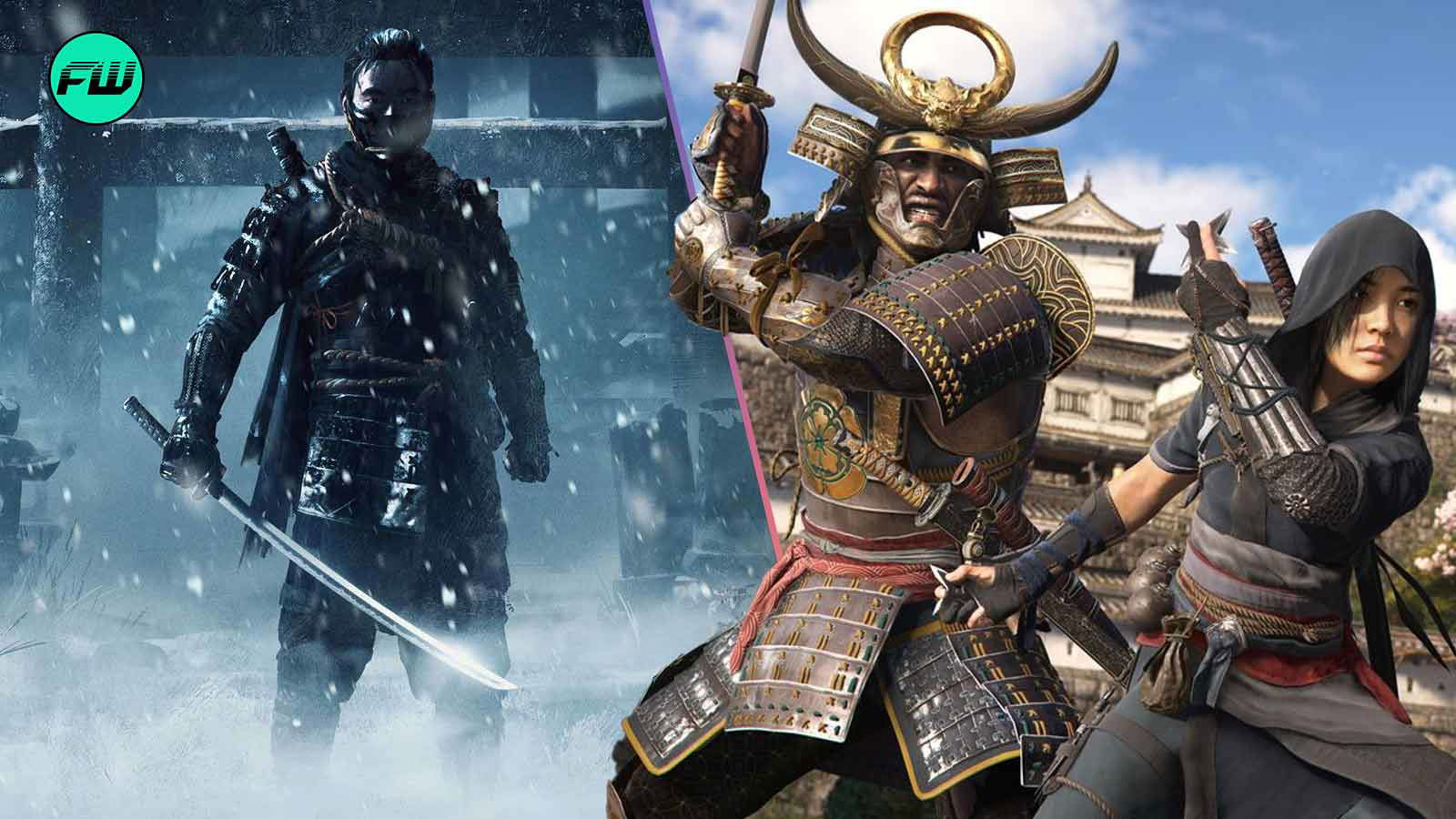
For years, fans of the Assassin’s Creed series have asked Ubisoft to deliver a game set in Japan, bringing the iconic franchise’s signature stealth, parkour, and historical immersion to the land of ninja. So when Assassin’s Creed Shadows was announced, it seems the studio has finally answered that call.
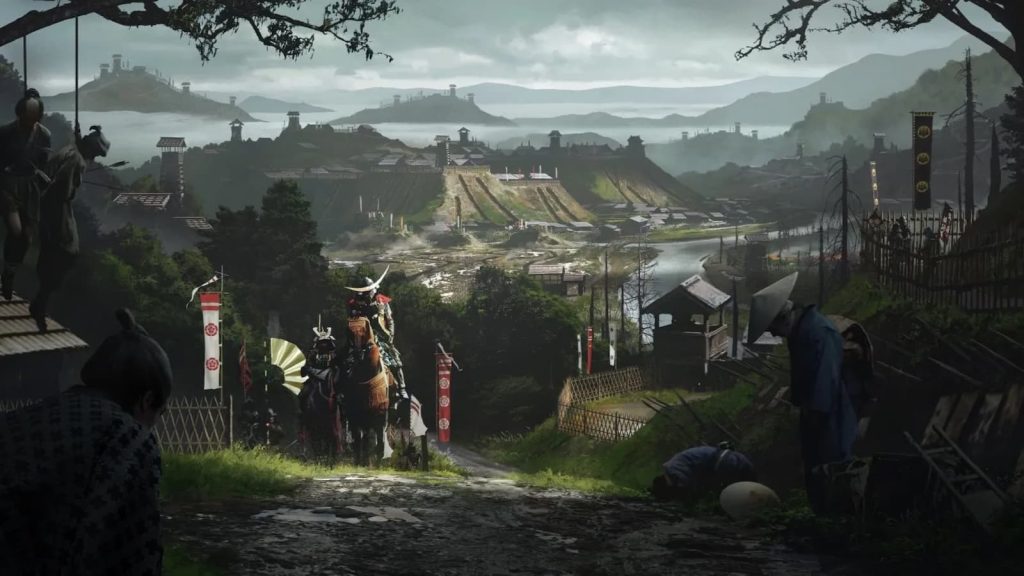 Players are calling the game a copy. | Image Credit: Ubisoft
While the game has its issues, instead of celebrating this exciting direction, some vocal fans have called the game as nothing more than a “copy” of Ghost of Tsushima. This accusation feels more like hypocrisy than honest criticism, especially considering Sony’s own failed attempt at a similar game.
Fans should embrace Assassin’s Creed Shadows‘ unique take on Japan
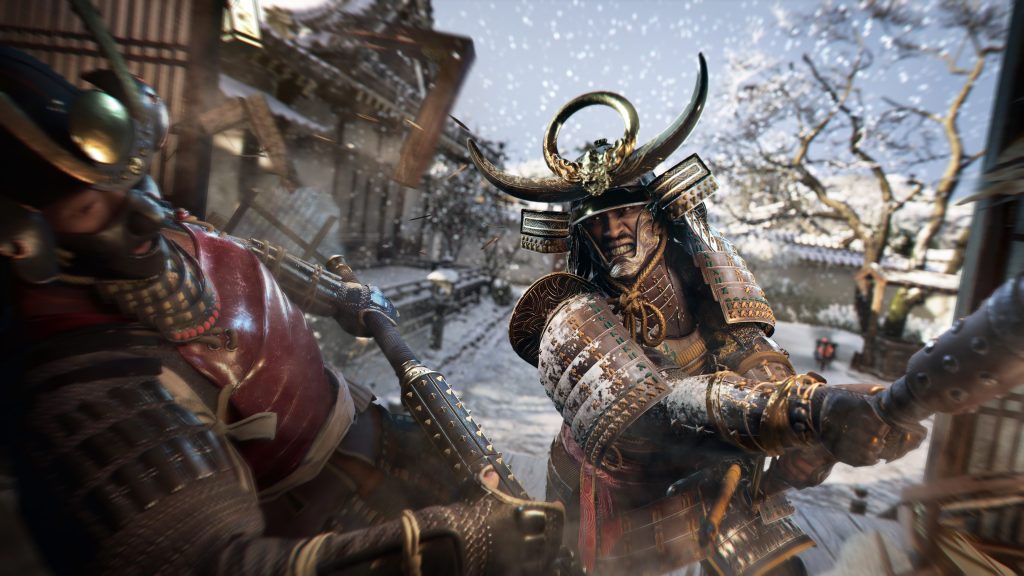 The game has its flaws but not everything set in Japan is a copy of Ghost of Tsushima | Image Credit: Ubisoft
The core issue here lies in the narrow view of what “copying” means when it comes to game development. Yes, both Assassin’s Creed Shadows and Ghost of Tsushima feature samurai combat, open-world exploration, and a focus on Japanese aesthetics.
However, these are not one-to-one comparisons, especially when considering the massive differences in game design, vastly different narrative structures, and gameplay mechanics between the two titles.
Assassin’s Creed Shadows is a clear evolution of the franchise, borrowing elements from the past but introducing fresh features, such as two protagonists with different playstyles. One protagonist leans into stealth and agility, while the other focuses on direct combat and brute force.
This blend allows for a dynamic experience, offering players more flexibility in how they approach objectives. Ubisoft has made significant strides in improving the overall gameplay experience after the backlash and various delays.
Let’s not forget that, despite some of its shortcomings, Assassin’s Creed Shadows introduces players to a whole new setting in the series. Yes, there are still some lingering controversies but that doesn’t justify the hyperbolic label of “copycat.” Every game has its flaws, and that’s just a part of the process of creating a similar setting.
Why Sony fanatics should reconsider their backlash
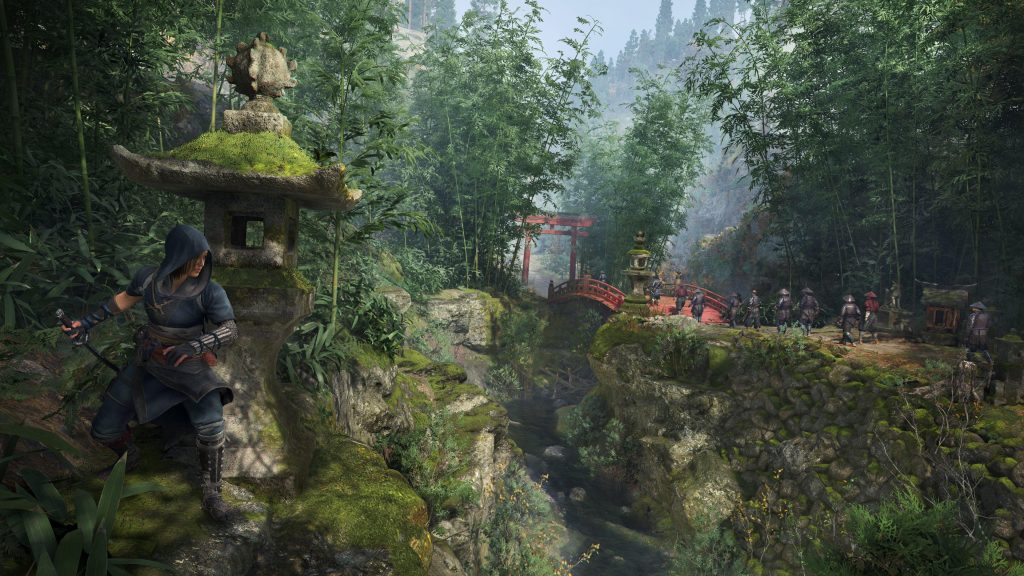 Fans need to stop the double standard and judge based on its gameplay and aesthetic. | Image Credit: Ubisoft
The reality is that any game set in feudal Japan is going to have some similarities to others set in the same period. After all, samurai combat, katana duels, and a rich cultural backdrop are defining features of Japanese history and every game has to show it.
But that doesn’t mean every game exploring those themes is automatically a copy of the others. Each developer brings their own unique vision to the table, and Ubisoft’s Assassin’s Creed Shadows is no exception.
However, what’s particularly baffling is how quickly Sony fanatics seem to forget their own company’s attempts to create a samurai-themed game. Does Rise of the Ronin ring any bells for you? Yes, it was unveiled as a PS5 exclusive and was poised to be Sony’s answer to the samurai game genre.
The game was a disaster, plagued by development issues, a lackluster combat system, and unremarkable world-building. Despite these flaws and various other issues, no one accused the game of “copying” or attempting to ride on the success of Sucker Punch’s masterpiece.
Why is it, then, that Ubisoft’s Shadows is instantly labeled a “copy” while Sony’s own failed attempt is largely ignored? This double standard reeks of hypocrisy and needs to be stopped. Players should judge the game based on its gameplay and aesthetics.
At the end of the day, it’s time to set aside the notion that Assassin’s Creed Shadows is a “Ghost of Tsushima copy.” Yes, there are similarities, but that’s to be expected from any game that is based on a similar theme, especially Japan.
News
A FRAGILE PEACE: ‘The Last Thing He Told Me’ Season 3 Prospects and the Fallout of the Campano Dynasty
OWEN IS BACK, BUT THE NIGHTMARE IS JUST BEGINNING! 🕵️♂️💔 The Season 2 finale just dropped, and that “bargain” with Quinn is already blowing up on the internet! Did Hannah just trade one prison for another? Apple TV+ hasn’t officially…
THE CASE ISN’T CLOSED: ‘High Potential’ Season 3 Confirmed Amidst Heartstopping Finale and Major Cast Shakeups
IS CAPTAIN WAGNER REALLY GONE?! THE CLIPHANGER THAT BROKE THE INTERNET 😱🩸 ABC just confirmed Season 3 is officially happening, but at what cost? After that brutal “Family Tree” finale, fans are spiraling over Morgan’s blood-stained discovery. Wait until you…

BEYOND THE AISLE: Why ‘Something Very Bad Is Going to Happen’ Season 2 is Rewriting the Slasher Playbook
THE WEDDING FROM HELL IS JUST THE BEGINNING… 👰🩸 If you thought the Season 1 finale was a bloodbath, you are NOT ready for the reality-shattering twist Netflix just greenlit for Season 2! The “Final Girl” isn’t who you think…

THE POGUES’ LAST STAND: ‘Outer Banks’ Season 5 Official Release Window and Croatia Set Leaks Reveal a Deadly Finale
THE END OF AN ERA: THE POGUES’ FINAL RIDE IS HERE! 🌊💔 Everything we’ve feared is coming true—Netflix just dropped the ultimate bombshell on the final chapter of the OBX saga. If you thought JJ’s sacrifice was the end, you…
“A CLONE OF ONE’S OWN”: TOP 5 ABYSS GEARS REVEALED AS CRIMSON DESERT PLAYERS OPTIMIZE FOR THE ULTIMATE BOSS GAUNTLET
THE ABYSS GEAR TIER LIST: BECOME UNSTOPPABLE AFTER 200 HOURS! ⚔️🌪️ I’ve officially clocked over 200 hours in Crimson Desert, cleared every boss, and finished every quest. If you’re still using default gear, you’re leaving 50% of your power on…

“CRIME PAYS IN PYWEL”: CRIMSON DESERT PLAYERS DISCOVER BRUTAL NEW XP FARMS AND ARTIFACT GLITCHES
UNLIMITED SKILL POINTS: BECOME A GOD IN PYWEL OVERNIGHT! ⚡🔥 If your skill tree is looking a bit empty, you’re doing it wrong. I’ve discovered three broken farming methods that will flood your inventory with Abyss Artifacts and skyrocket your…
End of content
No more pages to load