🚨 STRANGER THINGS FANDOM WAR: Fans Are Weaponizing “Media Literacy” to Shut Down EVERY Criticism of the Finale – But Do They Even Know What It Means? 😤🔥
The Season 5 ending dropped… and the internet imploded. Petitions for a “real” episode, “Conformity Gate” conspiracies claiming it’s all Vecna’s dream, death threats to the Duffers, and endless rants about “rushed” battles, “on-the-nose” dialogue, and Eleven’s fate.
But the wildest part? Diehard defenders are now blasting anyone who hated it with: “You just lack media literacy!” Like, if you don’t bow down to the genius, you’re dumb.
Hold up—media literacy means critically analyzing media, spotting themes, understanding choices… NOT blindly defending bad writing or calling critics idiots for having valid gripes. Pointing out plot holes, weak payoffs, or forced moments isn’t “illiteracy”—it’s the OPPOSITE!
This toxic back-and-forth is turning the fandom into a battlefield. One side screams “You don’t get it!” while the other spirals into denial theories. Meanwhile, the Duffers are out here saying the ambiguity was intentional… but fans can’t even agree on what that means.
Full story:
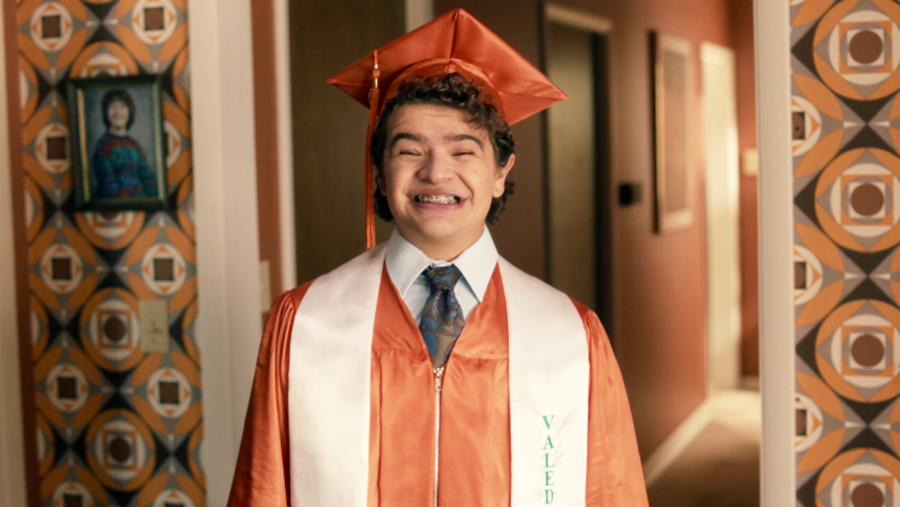
The dust hasn’t settled on Stranger Things Season 5 since its divisive finale premiered on Netflix over New Year’s Eve 2025. What began as emotional reactions to Eleven’s apparent sacrifice, a brief climactic battle, and open-ended fates has spiraled into one of the most heated fandom debates in recent memory. At the center: accusations flying over “media literacy,” a term now thrown around like a grenade in online arguments.
Diehard supporters of the Duffer Brothers’ vision have repeatedly dismissed criticism by claiming detractors simply “lack media literacy.” The implication? If you didn’t love the ending—or at least accept its ambiguities—you missed the deeper themes, intentional choices, or subtle payoffs woven throughout the series’ decade-long run. On TikTok, Instagram, Reddit, and X, videos and threads declare that true fans “get it,” while naysayers are accused of shallow viewing or entitlement.
Yet critics of this tactic argue it’s the defenders misusing the concept. Media literacy, broadly defined as the ability to access, analyze, evaluate, and create media critically, doesn’t require unconditional praise. It involves engaging thoughtfully—spotting strengths, flaws, themes, and narrative decisions—regardless of whether one likes the outcome. Pointing out perceived pacing issues, unresolved threads, or “on-the-nose” dialogue isn’t ignorance; it’s analysis. When fans counter legitimate gripes with “You just don’t understand media literacy,” it flips the term into a shield against discussion rather than a tool for it.
The backlash has roots in the finale’s bold choices. Eleven stays behind in the Upside Down to seal the rift permanently, seemingly dying in the process. Mike’s epilogue theory—that she and Kali faked it with illusions—offers hope but leaves ambiguity. No major hero deaths occur beyond expectations, Vecna’s defeat feels quick to some, and emotional beats (like Will’s coming-out scene) draw both praise for representation and complaints of poor timing amid chaos. Online, this sparked “Conformity Gate” theories: claims the ending is Vecna’s illusion, with a “real” episode hidden or forthcoming. Petitions circulated, and some fans harassed cast and crew, prompting pleas for civility.
In response, pro-finale voices leaned on media literacy to explain why the choices work. They argue the ambiguity honors Eleven’s agency, avoids cheap tragedy, and mirrors influences like Elfen Lied (where the psychic protagonist survives ambiguously). The Duffers, in post-release interviews with Variety and others, defended the open-ended nature, saying they shared Eleven’s true fate only with Millie Bobby Brown and left it for viewers to interpret. They emphasized emotional closure over spectacle, tying back to the show’s core: friendship, growth, and breaking cycles of trauma.
But the “media literacy” defense has backfired for many. Reddit threads in r/StrangerThings call it a “panic button” for dodging criticism. One popular post argued: “Media literacy is about engaging critically, not blindly defending. Refusing to acknowledge flaws while calling critics stupid is the opposite.” Others note the term’s weaponization echoes broader online trends—using buzzwords to gatekeep or invalidate opinions without addressing substance.
The debate mirrors past fandom firestorms. Game of Thrones‘ 2019 finale drew similar divides: defenders cited thematic intent and subversion, while critics decried rushed arcs and betrayals. Mass Effect 3‘s ending birthed the “Indoctrination Theory,” a fan belief that apparent flaws signaled a hidden truth—much like “Conformity Gate.” In each case, passionate audiences, invested over years, struggled with unsatisfying conclusions, leading to denial, conspiracies, and toxicity.
Stranger Things amplified this with its massive, young-leaning fanbase—many teens and pre-teens chronically online, expecting fan-service resolutions after a decade of buildup. Social media amplified extremes: viral TikToks lamenting “lost potential,” Instagram reels mocking “entitled” reactions, and Threads posts questioning “social media literacy” in the discourse. Behind-the-scenes doc One Last Adventure (released shortly after the finale) revealed creative struggles, script rewrites, and debates over arcs—further frustrating some who saw it as confirmation of “troubled” development rather than artistic process.
The Duffers have stayed mostly silent on the literacy wars, focusing instead on the spinoff tease and animated Tales From ’85. They’ve acknowledged the passion (and pain) of fans, with Ross noting in interviews that no ending could please everyone after such long investment.
For now, the fandom remains fractured. Supporters celebrate a poignant, hopeful send-off that prioritizes character over carnage. Detractors mourn what they see as pulled punches and missed opportunities. The “media literacy” argument, meant to elevate discussion, has instead deepened divides—proving that even smart analysis can turn toxic when emotions run high.
Whether the term rebounds as a genuine tool or stays a loaded weapon, one thing’s clear: Stranger Things didn’t just end a story—it ignited a mirror for how fans process disappointment in the age of endless online debate. Love it, hate it, or still theorizing a secret twist, the conversation isn’t dying down anytime soon.