🚨 THE AEGON CURSE: Why EVERY Targaryen King Named After the Conqueror Turned Westeros into a NIGHTMARE! 😱
From epic conquest to TOTAL DISASTER… Aegon I built an empire. But Aegon II? Dragons eating moms. Aegon III? Killed ALL the dragons. Aegon IV? Fat, lecherous tyrant spawning civil wars. Aegon V? Good guy, fiery death.
Coincidence? CURSE? Inbreeding doom? Or just Targaryen BAD KARMA?
The SHOCKING reasons will BLOW YOUR MIND… Click below NOW before spoilers ruin HOTD! 👇🔥
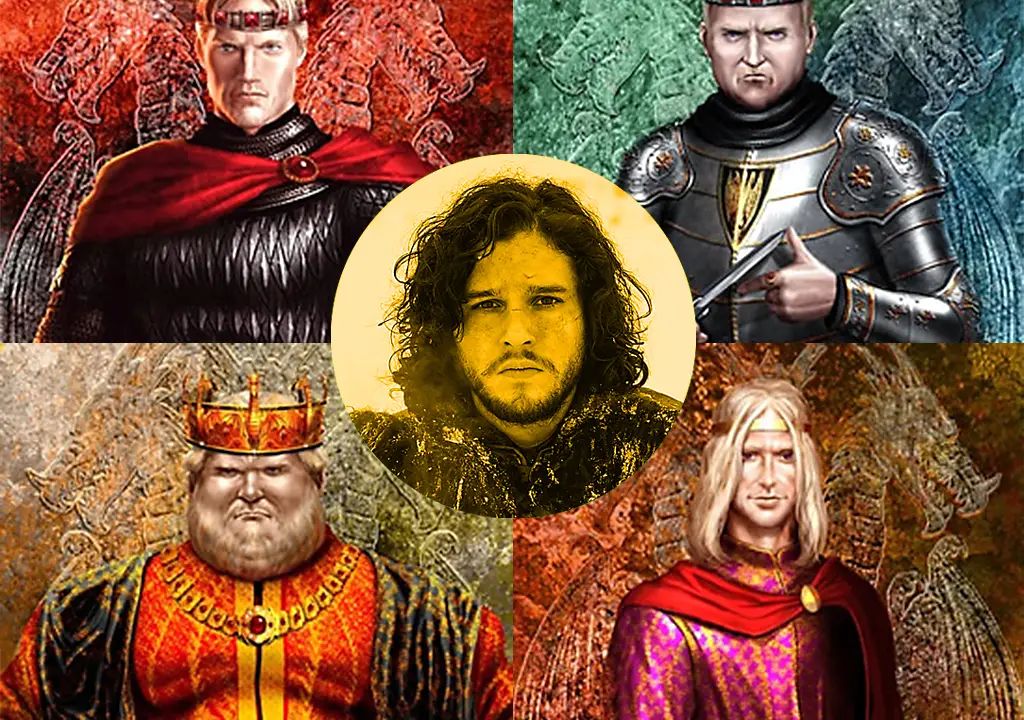
In the brutal world of George R.R. Martin’s A Song of Ice and Fire and its HBO adaptations Game of Thrones and House of the Dragon, few names carry more weight than Aegon Targaryen. The original Aegon I, known as the Conqueror, forged the Seven Kingdoms from the ashes of rival houses using three dragons and unyielding ambition. But a chilling pattern emerges with his successors who bore the same name: Aegon II, III, IV, and V. Each ruled disastrously, presiding over civil wars, dynastic collapses, personal depravities, and the extinction of the very dragons that made House Targaryen supreme. Is it mere coincidence, the perils of inbreeding, or a literal curse on the name? Fans have long debated this “Aegon Curse” in forums and on social media, pointing to a thread of failures that nearly extinguished the dragonlords.
This article dives deep into the reigns of these kings, drawing from A Wiki of Ice and Fire and historical analyses, to unpack why the name Aegon—meant to invoke glory—became a harbinger of ruin.
Aegon I: The Gold Standard of Targaryen Rule
Aegon I Targaryen stands alone as the pinnacle. Born in 27 BC on Dragonstone, he married his sisters Visenya and Rhaenys in the Valyrian tradition, claimed the mighty Balerion the Black Dread, and set his sights on Westeros. Forging a massive painted table map of the continent, he envisioned one realm under one ruler.
His Conquest began in 1 AC. Landing at Blackwater Bay, Aegon built the Aegonfort and swiftly subdued the Crownlands. He burned Harrenhal to ash with Balerion, ending House Hoare; crushed the Stormlands at Last Storm; and unleashed the Field of Fire, where dragons incinerated King Mern IX Gardener and thousands more, forcing the Reach and Westerlands to kneel. Torrhen Stark bent the knee at the Trident, the Vale surrendered, and Oldtown’s High Septon anointed him in the Starry Sept. Only Dorne resisted, leading to a failed First Dornish War that claimed Rhaenys and Meraxes in 10 AC—sparking the “Dragon’s Wroth.”
Aegon’s 37-year reign (1-37 AC) ushered in the Dragon’s Peace. He forged the Iron Throne from enemy swords, established the small council with Orys Baratheon as first Hand, decreed the King’s Peace banning private wars, and toured the realm learning customs. He built King’s Landing, the Red Keep, and the Kingsguard after assassination attempts. Father to Aenys I and grandfather to Maegor, he died peacefully in 37 AC at 63, cremated on Balerion’s pyre. His legacy: a unified Westeros, stable institutions, and Targaryen dominance.
Aegon II: The Usurper’s Bloody Folly (129-131 AC)
Enter the curse. Aegon II, born 107 AC to Viserys I and Alicent Hightower, ignited the Dance of the Dragons by usurping half-sister Rhaenyra. Lazy, gluttonous, and lecherous, he rode Sunfyre but preferred brothels and Arbor red. Crowned amid greens vs. blacks factions, his two-year reign was unmitigated catastrophe.
Key failures: Ordering mass executions after “Blood and Cheese” killed his son Jaehaerys; maiming at Rook’s Rest left him burned, crippled, and poppy-addicted; fleeing King’s Landing as Rhaenyra seized it; feeding her to Sunfyre (witnessed by her son, future Aegon III). Retaking the capital, he executed rivals savagely, demanded crippling ransoms, and alienated lords. Poisoned at 24—likely by Corlys Velaryon and allies—his rule divided the realm, killed most dragons, and left a traumatized boy-king. Grand Maester Kaeth deemed him “grasping,” worse than weak Aenys or cruel Maegor.
Aegon III: The Broken King and Dragon’s End (131-157 AC)
Crowned at 10 after Aegon II’s death, Aegon III—son of Rhaenyra and Daemon—was scarred by horrors: watching his mother devoured, losing brothers, escaping on dying Stormcloud. Dubbed Dragonbane, the Unlucky, his 26-year reign was a gray slog.
A turbulent regency (131-136 AC) saw Winter Fever kill thousands, coups like the Hour of the Wolf, and poisonings. Married twice—first to fragile Jaehaera (suicide?), then Daenaera Velaryon— he fathered Daeron I and Baelor I but brooded silently, hating dragons. Failed sorcery hatched no eggs; the last dragon died in his reign, symbolizing Targaryen decline. Cold and joyless, he shunned progresses, alienated lords, and died of consumption at 36. Peace returned, but at the cost of vitality—his gloom infected the court.
Aegon IV: The Unworthy’s Decadent Disaster (172-184 AC)
The nadir: Aegon IV, born 135 AC, started handsome and promising but devolved into gluttony and vice. Ruling 12 years, he bedded hundreds (nine “great” mistresses), flaunted paramours like Barba Bracken and Melissa Blackwood, and tormented pious wife Naerys.
Misrule hallmarks: Failed Dornish invasion; executing lovers and lords on whims; gifting a dragon egg for sex; knighting bastard Daemon Blackfyre and giving him the sword Blackfyre. Accusing son Daeron of bastardy, he spread rumors defeated by uncle Aemon the Dragonknight’s trial by combat. On deathbed—rotting, worm-eaten at 49—he legitimized all bastards, birthing the Blackfyre Rebellions that plagued generations.
Kaeth’s verdict: “No king… would practice so much willful misrule.” Corruption, strife, and wars defined him.
Aegon V: The Unlikely’s Noble Failure (233-259 AC)
Aegon V—once “Egg,” squire to Duncan the Tall—rose unexpectedly after brothers’ deaths. Beloved by smallfolk for reforms curbing lordly abuses, taxing the rich, and protecting peasants, he faced backlash.
Good intentions faltered: Children’s love matches defied betrothals to great houses, sparking rebellions; suppressed Blackfyre uprisings and Westerlands unrest; no dragons meant compromises. Obsessed with restoring dragons for reform enforcement, his 259 AC Summerhall hatching ritual killed him, son Duncan, and Dunk in wildfire tragedy. Reforms unraveled under successors; lords triumphed.
Unraveling the Curse: Dragons, Blood, and Legacy
Why the rot? Loss of dragons eroded supremacy post-Dance. Inbreeding amplified flaws—gluttony, trauma, madness. The Conqueror’s shadow pressured heirs to match impossible glory, fostering resentment and poor choices. Civil wars (Dance, Blackfyre) stemmed from succession woes tied to the name.
Fans speculate curses or Valyrian doom, but evidence points to systemic decay: no nukes (dragons) meant feudal pushback. Aegon I built; others broke it. As House of the Dragon explores, the name Aegon evokes triumph—and tragedy.