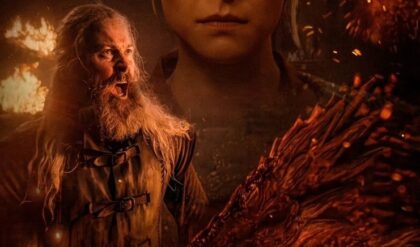
🚨 TARGARYEN SHOCKER: Why does this royal prince have JET-BLACK HAIR instead of the famous silver-gold locks?! 😱🐉
Everyone knows Targaryens are supposed to look like walking Valyrian gods—platinum hair, violet eyes, pure dragon blood. But Prince Baelor Breakspear? Dark hair. Dornish vibes. Whispers in the court called him “more Martell than Targaryen.” Was it a secret scandal? A bastard cover-up? Or something far more explosive that ties straight into Jon Snow’s true fate? 🔥
You think you know the Game of Thrones bloodlines… but this reveal from A Knight of the Seven Kingdoms will blow your mind. The truth is darker—and more heartbreaking—than you expect.👇
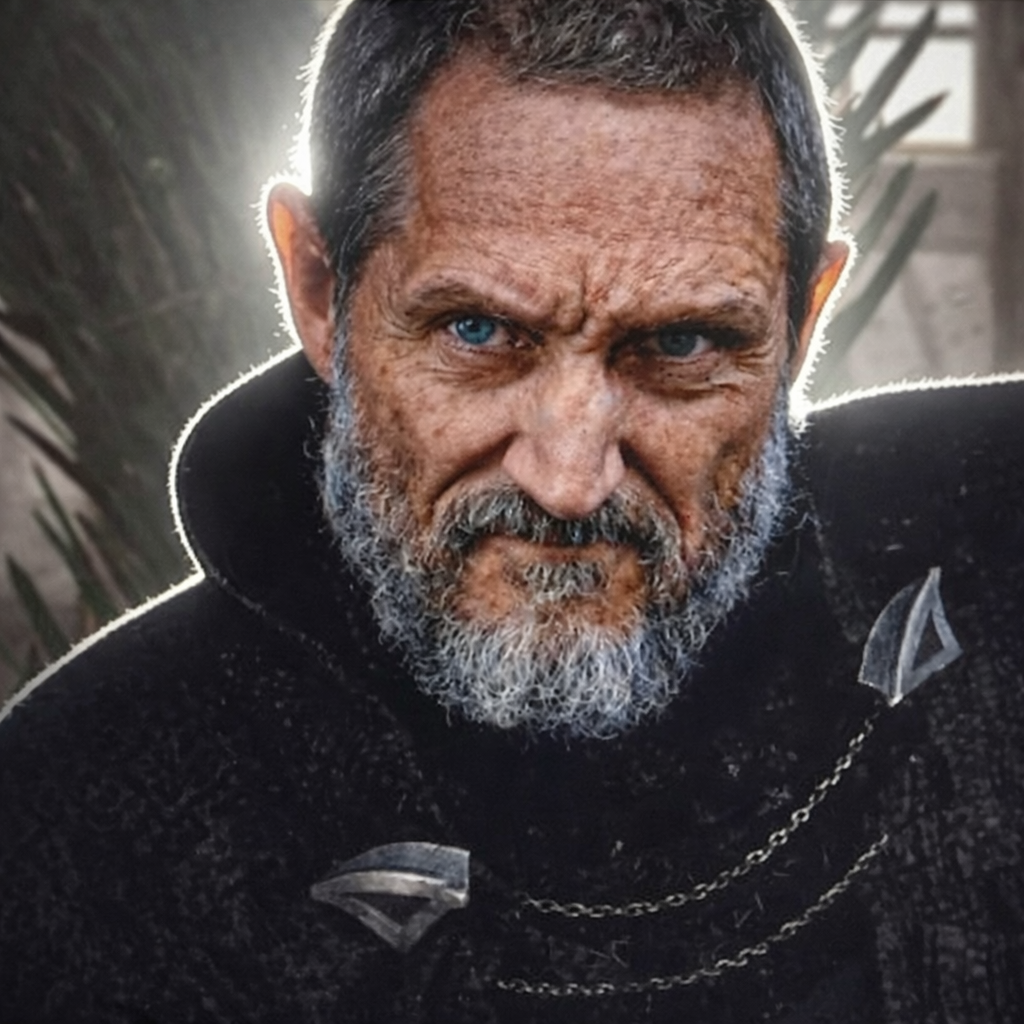
In the sprawling saga of House Targaryen, few features define the bloodline more than the silver-gold hair and violet eyes passed down from ancient Valyria. From Aegon the Conqueror to Daenerys Stormborn, that platinum mane has been the unmistakable mark of dragonlords. Yet one prince stands apart: Baelor Targaryen, eldest son of King Daeron II and heir to the Iron Throne—better known to history as Baelor Breakspear. Portrayed in the new HBO series A Knight of the Seven Kingdoms, Baelor sports dark brown to black hair, a stark departure that has fans asking the same question: How can a legitimate Targaryen look so unlike his kin?
The answer lies not in scandal or hidden paternity, but in straightforward Westerosi genealogy. Baelor’s mother was Myriah Martell, a princess of Dorne. The union between Daeron II and Myriah was no love match born in secret; it was a calculated political masterstroke. For generations, Dorne had resisted Targaryen conquest through guerrilla warfare and independence. Daeron II, known as “the Good,” sealed peace by marrying the Dornish princess, bringing the southernmost kingdom into the realm without a drop more blood spilled.
Dornish genetics proved dominant in at least one key area. George R.R. Martin describes Baelor in the source material as having “the dark hair of his mother, Myriah Martell, a Dornish princess.” He kept it cropped short, paired with a clean-shaven jaw, dark eyes, and a nose broken twice in tourneys—features that led courtiers to whisper he appeared “more Martell than Targaryen.” In a realm obsessed with blood purity and Valyrian traits, this visual difference fueled suspicion during a volatile era.
The early 200s AC were turbulent for the Targaryens. Daeron II’s legitimacy had been questioned due to rumors surrounding his own birth (whispers that his mother Naerys and uncle Aemon the Dragonknight were involved), igniting the Blackfyre Rebellions. Daemon Blackfyre, the charismatic bastard brother, rallied supporters who saw the “Dornish influence” at court as corrupting. Baelor’s dark hair became ammunition for critics. Some Blackfyre sympathizers mocked his namesake—Baelor the Blessed, the famously pious and feeble king—while others pointed to his appearance as proof the line had been “diluted.”
Yet no credible evidence ever suggested Baelor was anything but trueborn. Martin’s texts affirm his parentage, and his actions spoke louder than his locks. As Hand of the King, Baelor governed wisely, earning respect across the Seven Kingdoms. He championed the smallfolk, mediated disputes, and embodied chivalry without the arrogance that plagued other dragons. His tragic death in 209 AC—struck down unintentionally by his brother Maekar during a Trial of Seven to defend Ser Duncan the Tall—robbed the realm of what many believe would have been one of its greatest kings.
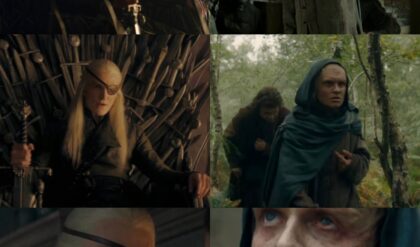
The adaptation in A Knight of the Seven Kingdoms preserves this detail faithfully. Actor Bertie Carvel’s portrayal ditches the silver wig for natural dark hair, emphasizing Baelor’s grounded, honorable nature. Fans have noted parallels to other dark-haired Targaryens who never claimed the throne. Jon Snow, revealed as Aegon Targaryen, son of Rhaegar and Lyanna Stark, inherited his Stark mother’s black hair—marking him as an outsider despite his royal blood. Rhaenyra Targaryen’s sons in House of the Dragon bore brown hair from their true father Harwin Strong, exposing their illegitimacy to the realm.
Baelor fits into a grim Westerosi pattern: dark-haired Targaryens with strong claims rarely sit the Iron Throne. His son Valarr, also dark-haired, died young of illness shortly after his father. The crown passed instead to the more traditionally Valyrian-looking Maekar I, then to Aerion Brightflame’s madness, Aenys’s weakness, and eventually the line leading to the Mad King and Robert’s Rebellion. Had Baelor lived, historians speculate, the Blackfyre threat might have been quelled diplomatically, the realm unified, and the Targaryen dynasty potentially spared its eventual downfall.
Genetics in Martin’s world are not strictly Mendelian, but recurring themes show Valyrian traits as recessive when mixed with First Men, Andal, or Dornish blood. Daeron II’s other sons varied: some leaned Targaryen, others inherited Dornish features. Baelor’s brother Maekar had more classic looks, yet it was the half-Dornish heir who embodied the best of both worlds—dragon fire tempered by southern pragmatism.
In an era when hair color signaled legitimacy (or lack thereof), Baelor’s appearance underscored broader tensions. Anti-Dornish prejudice ran high; many Westerosi viewed the marriage as Daeron submitting to “sand dogs.” Yet Baelor rose above it, proving character matters more than coloring. His story reminds viewers that in Westeros, blood alone does not make a king—honor, wisdom, and the willingness to break a lance for justice do.
As A Knight of the Seven Kingdoms continues, Baelor’s legacy looms large. He represents what the Targaryens could have been: rulers who bridged divides rather than burned them. His dark hair wasn’t a flaw or a secret—it was a symbol of unity in a fractured realm. In the end, the prince who looked least like a dragon may have been the most deserving of the crown.