🚨 BREAKING: The SHOCKING secret behind why Prince Baelor Targaryen risks EVERYTHING to back a random hedge knight like Dunk! 😱⚔️👑
Read more:
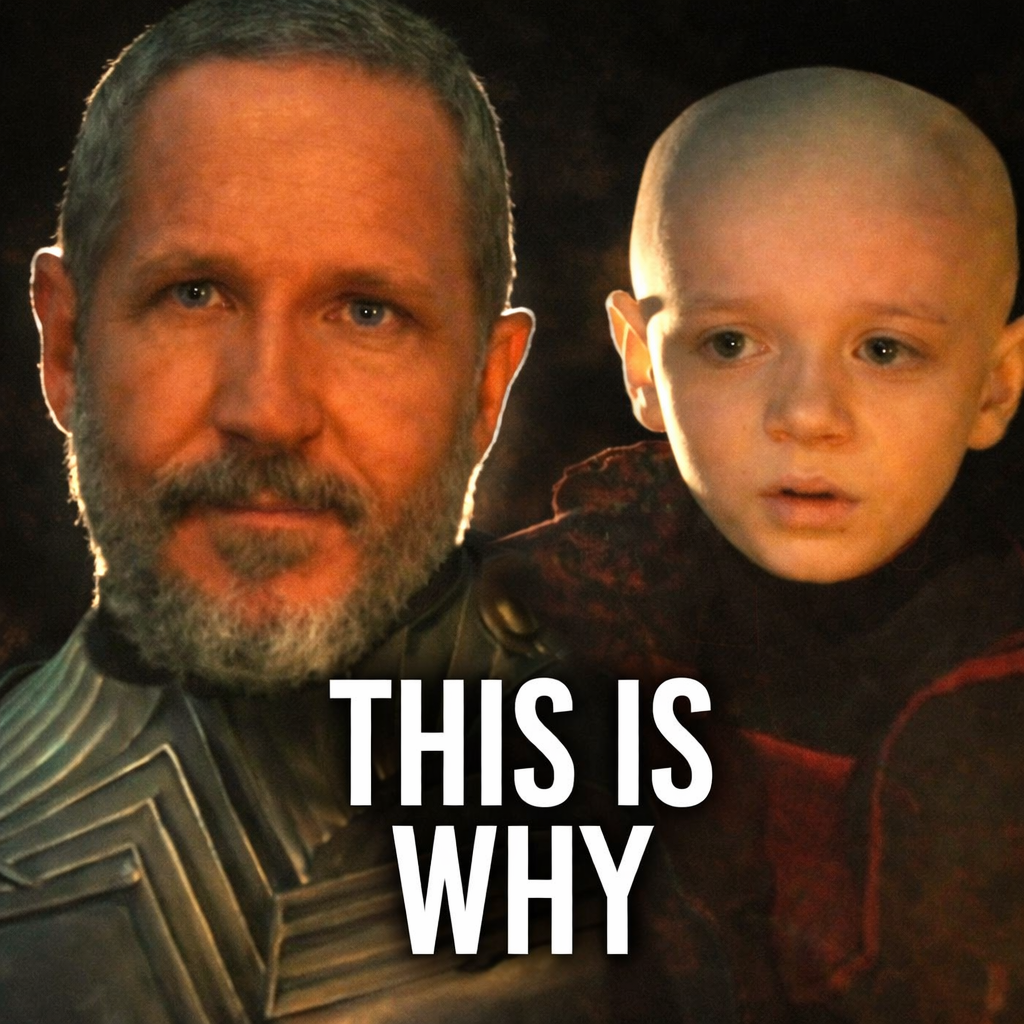
In a pivotal moment that has fans reeling, A Knight of the Seven Kingdoms Episode 4, “Seven,” culminates with Prince Baelor Targaryen dramatically declaring himself the seventh champion for Ser Duncan the Tall in the Trial of Seven. The heir to the Iron Throne, known as “Breakspear” for his legendary jousting prowess, chooses to fight alongside a hedge knight against members of his own family – including his brother Prince Maekar and nephews Aerion and Daeron Targaryen. The decision has sparked intense discussion about Baelor’s motivations and what it means for the future of House Targaryen.
Baelor, portrayed by Bertie Carvel, steps forward after Dunk’s desperate plea: “Are there no true knights among you?” With Dunk short one fighter and facing automatic defeat – and likely execution – if he cannot field seven champions, Baelor’s entrance turns the tide. He pledges his sword to Dunk’s cause, a move that elevates the hedge knight’s defense of the puppeteer Tanselle from mere assault to a matter of royal endorsement.
Showrunner Ira Parker has addressed the choice directly, explaining that Baelor’s support stems from a deep need to validate his reputation. In interviews, Parker described Baelor as a man burdened by the perception of his heroism. His victory at the Battle of the Redgrass Field during the First Blackfyre Rebellion – where he and Maekar crushed Daemon Blackfyre’s forces – earned him songs and acclaim. Yet Parker noted that Baelor views the battle less as a heroic triumph and more as a grim necessity, leaving him questioning whether he truly deserves the adoration he receives.
Dunk’s actions at Ashford Meadow provide Baelor with an opportunity to demonstrate genuine honor. By defending an innocent commoner against Prince Aerion’s cruelty, Dunk embodies the ideals of knighthood that Baelor strives to uphold. As the future king, Baelor sees it as his duty to lead by example. If the heir to the throne ignores injustice, what hope remains for the realm? Parker’s comments emphasize that Baelor’s involvement is both personal and political: a chance to prove he is the principled leader the smallfolk and nobles believe him to be.
Actor Bertie Carvel echoed this in discussions, calling it “a question of decency.” Baelor recognizes Dunk as a truer knight than many armored lords at the tourney. Dunk’s willingness to risk everything for a puppeteer – a lowborn woman – contrasts sharply with Aerion’s entitlement and abuse of power. Baelor’s decision reinforces the show’s central theme: true knighthood transcends bloodlines and titles.
The context of the Blackfyre Rebellion adds layers. Only 13 years earlier, Baelor fought to preserve Daeron II’s rule against Daemon Blackfyre’s claim, backed by those who favored traditional Valyrian purity. Baelor’s Dornish features – inherited from his mother – made him a symbol of the realm’s diversity, yet also a target for rebels. His presence at Ashford serves to remind the realm of Targaryen strength, but Aerion’s behavior risks alienating the smallfolk. By siding with Dunk, Baelor counters that narrative, showing the royal family values justice and protects the vulnerable.
In George R.R. Martin’s original novella The Hedge Knight, a brief but powerful scene enhances this motivation. As the smallfolk cheer for Dunk before the trial, a blacksmith tells him, “A knight who remembers his vows.” This moment, absent from the show as previously admitted by Parker, underscores why Baelor acts: Dunk’s deeds inspire even the lowborn to see knighthood’s true meaning. Baelor, witnessing Dunk rally unexpected support, seizes the chance to align himself with that purity.
The consequences are profound – and tragic. In the books, Baelor perishes during the Trial of Seven, crushed under his horse in a brutal melee. His death clears the path for his sons to inherit, but both later succumb to the Great Spring Sickness, along with King Daeron II. This accelerates the line of succession to Aegon V (Egg), whose reign ends in the Tragedy at Summerhall. Baelor’s sacrifice indirectly influences the chain of events leading to Aerys II’s madness and Robert’s Rebellion.
Fans have praised the moment as one of the series’ strongest. The dramatic entrance, accompanied by the iconic Game of Thrones theme, delivers an emotional payoff after Dunk’s isolation. It highlights the show’s strength: intimate, character-driven conflicts amid a vast world. High ratings for Episode 4 reflect appreciation for this grounded approach, contrasting with the spectacle of prior spin-offs.
Some viewers speculate deeper secrets – perhaps a hidden connection between Dunk and Baelor, or foreshadowing of larger prophecies. Theories tie it to dreams and visions mentioned in the series, though canon attributes Baelor’s choice to straightforward honor. Reddit discussions and fan breakdowns emphasize the political calculus: without Baelor, Dunk forfeits, Aerion wins on a technicality, and the realm loses faith in justice.
As Episode 5 approaches with the Trial of Seven’s brutal combat, Baelor’s stand raises stakes. His participation risks not only his life but the stability of the succession. The show has positioned Baelor as a beacon of decency in a flawed dynasty, making his potential fate all the more poignant.
Ultimately, Baelor’s support for Dunk reveals a core truth of Martin’s Westeros: honor often comes at great cost. In choosing to fight for a hedge knight, the prince affirms that true leadership means standing for what’s right – even against family. Whether this reshapes Targaryen legacy or seals its decline remains to be seen, but the decision has already cemented Baelor as one of the franchise’s most compelling figures.