This Bridgerton Season 4 plot hole is so silly it completely wrecks Sophie’s entire backstory…
Sophie’s supposed to be the overlooked, illegitimate daughter of the Earl of Penwood — raised quietly as his “ward,” then demoted to housemaid after his death because she has zero legal claim or inheritance. Classic Cinderella cruelty, right?
Full story:
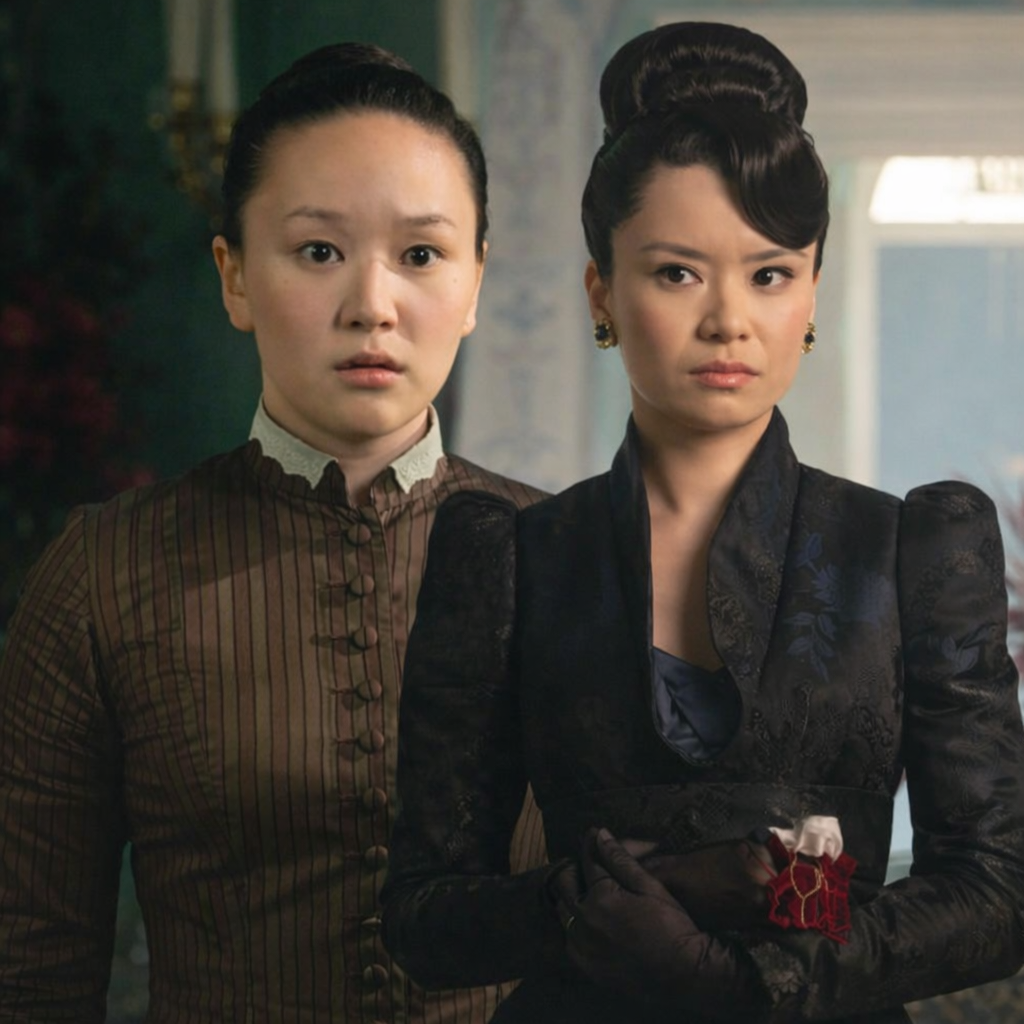
Netflix’s Bridgerton Season 4, Part 1, released in late January 2026, has kept fans glued with Benedict Bridgerton’s (Luke Thompson) search for his mystery Lady in Silver and the slow-burn romance with Sophie Baek (Yerin Ha). The Cinderella-inspired storyline delivers glamour, tension, and emotional payoff — but one glaring inconsistency has viewers calling foul: Sophie’s backstory no longer holds up under Regency-era logic.
In both Julia Quinn’s novel An Offer from a Gentleman and the show’s adaptation, Sophie is the illegitimate daughter of the Earl of Penwood. Her mother, a maid, dies in childbirth. The earl takes Sophie in but publicly labels her his “ward” to dodge scandal — never formally acknowledging her as his child or granting her inheritance rights. Raised in the household with education and relative comfort, Sophie enjoys a privileged childhood until her father remarries Lady Araminta Gun (Katie Leung), who brings two daughters from a previous marriage. When the earl dies unexpectedly, Araminta demotes Sophie to housemaid, stripping her of status and subjecting her to years of mistreatment.
The show leans into this tragedy. Flashbacks show a young Sophie cherished by her father, who promises to protect her. After his death, Araminta reveals her disdain, forcing Sophie into servitude. The contrast fuels Sophie’s fear of repeating her mother’s fate and her rejection of any offer that echoes mistress status. It’s the emotional core of her arc: a woman born between worlds, denied legitimacy, fighting for dignity.
Yet here’s the problem that’s driving fans wild: Lady Araminta inherits the entire Penwood estate without apparent issue. No mention of entailment, no distant male cousin swooping in, no legal challenge despite Sophie’s blood tie. In Regency England, most aristocratic titles and estates were governed by strict entail laws — property passed to the nearest male heir to prevent fragmentation. Daughters, especially illegitimate ones, rarely inherited outright. But if the earl dies without a legitimate son, the estate could revert to a collateral male line or be handled by trustees — not automatically go to a widow or stepdaughters.
The show glosses over this. Araminta lives in luxury at Penwood House, hosts events, and maintains social standing as if nothing changed. Sophie, despite being the earl’s biological child, gets nothing — which aligns with illegitimacy rules — but Araminta’s seamless takeover feels off. Why no mention of inheritance disputes? Why no pressure to produce a male heir or remarry strategically? In the books, the earl’s death leaves the family vulnerable, but the adaptation skips the mechanics entirely, making Araminta’s position suspiciously secure.
Fans on platforms like Reddit and X have zeroed in on this. Threads ask why the show didn’t address entailment when it shapes so many Regency plots (think Pride and Prejudice’s Bennet entail forcing the estate to Mr. Collins). One popular theory suggests the Penwood title and lands operate under different rules — perhaps a strict settlement favoring the widow — but nothing onscreen supports it. Others call it a lazy shortcut: the writers needed Araminta to remain wealthy and villainous, so they ignored historical realities that could complicate the plot.
This isn’t the first continuity hiccup. Earlier episodes spotlight Sophie packing the remaining masquerade glove — a key symbol — only for it to vanish when she flees with Benedict. Outlets like E! News and The Tab have covered fan frustration over the “disappearing glove,” questioning how Benedict will confirm Sophie’s identity without the physical clue. Some speculate a fellow maid retrieves it off-screen, but the oversight adds to the sense of sloppy details.
The inheritance issue cuts deeper because it undermines Sophie’s tragedy. If Araminta inherits effortlessly, Sophie’s demotion feels arbitrary rather than inevitable. Her pain stems from being legally invisible — born on the wrong side of the blanket, no claim to her father’s fortune or protection. But if the estate passes to the widow without fuss, why the intense cruelty toward Sophie? Why keep her around at all if she poses no threat? The show hints Araminta resents Sophie’s resemblance to the earl and fears exposure, yet the lack of legal jeopardy makes that resentment seem personal rather than survival-driven.
Showrunner Jess Brownell has emphasized updating the story for modern audiences, giving Sophie more agency and rejecting outdated tropes like prolonged mistress proposals. In interviews, the focus stays on emotional realism: Sophie’s fear of vulnerability, Benedict’s class blindness, the upstairs-downstairs divide. Historical accuracy takes a backseat to fantasy escapism — Bridgerton has always bent rules with diverse casting, anachronistic music, and modern dialogue. Minor blunders (like modern Band-Aids or piercings) get forgiven as part of the vibe.
Still, this particular hole stings because Sophie’s history is foundational. Unlike Francesca’s intimate struggles or Benedict’s artistic ennui, Sophie’s arc hinges on her outsider status. If the legal framework crumbles, her motivations feel less grounded. Fans argue it cheapens the commentary on class and illegitimacy — themes the season otherwise handles with nuance.
As Part 2 nears release on February 26, 2026, speculation grows. Could a late reveal expose an entail dispute or hidden will? Might Sophie’s true claim surface in a dramatic confrontation? Or is this simply a production choice to keep the villain wealthy and the stakes personal? The show could retroactively explain it — perhaps the earl’s will favored Araminta to protect his daughters from scandal — but for now, the silence feels like a missed opportunity.
Bridgerton thrives on spectacle and heart, not airtight history. The glittering balls, charged chemistry between Benedict and Sophie, and Sophie’s quiet strength still land. But when a core element like inheritance makes no sense, it pulls viewers out of the fantasy. Sophie deserves a backstory that holds weight — not one unraveled by a silly oversight.
Whether fans forgive it as harmless fluff or see it as a sign of rushed writing, the debate underscores how invested audiences are. In a season full of romance and redemption, even small cracks can echo loudly.