🚨 What Does “WARD” Really Mean in Bridgerton? Sophie’s SHOCKING Family Secret Exposed – You Won’t Believe Her True Origins! 😱🖤👑
Flashback alert: Little Sophie calling the Earl “Father”… but he introduces her to his new wife as “my ward”?
Full story here:
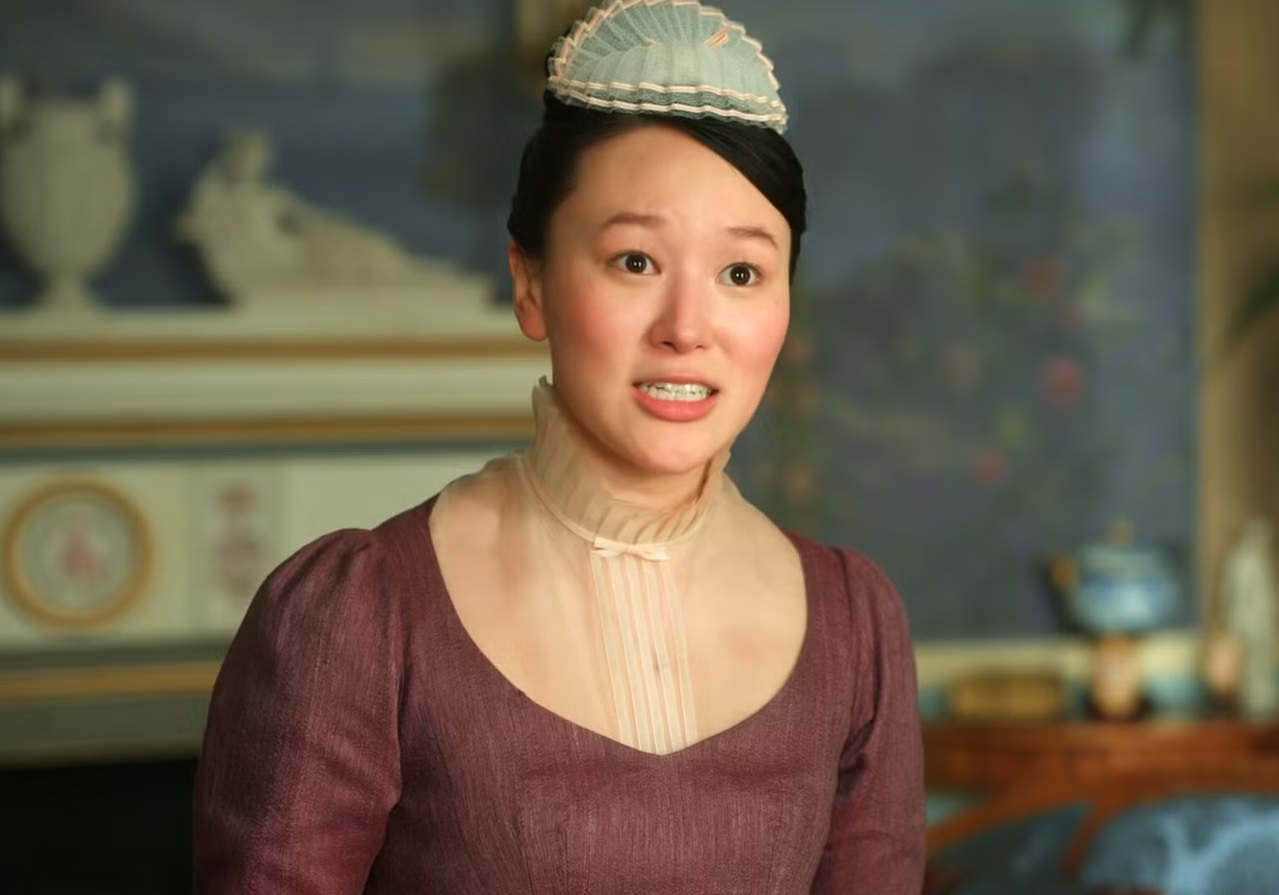
Bridgerton Season 4, with Part 1 released on January 29, 2026, and Part 2 slated for February 26, delves deeply into the backstory of Sophie Baek (Yerin Ha), revealing layers of tragedy, secrecy, and social maneuvering through flashbacks. Central to her origin story is the term “ward,” used by her biological father, Lord Penwood (Arthur Lee), to describe her. This label, introduced in Episode 2, has sparked viewer curiosity about its Regency-era implications and what it conceals about Sophie’s true family ties.
In the series, adapted from Julia Quinn’s An Offer from a Gentleman, Sophie is depicted as a maid enduring mistreatment under her stepmother, Lady Araminta Gun (Katie Leung), and stepsisters. Flashbacks show a younger Sophie living in privilege at Penwood House, calling the earl “Father” and receiving an education, fine clothes, and cultural exposure. Yet when Lord Penwood introduces his new bride Araminta to the household, he pointedly refers to Sophie as “my ward.” Araminta’s shocked reaction underscores the term’s loaded meaning—an open secret in the ton.
A “ward,” in Regency context and as explained by sources like Netflix Tudum and cast interviews, refers to a person—often a child—placed under the legal protection or guardianship of another, typically without blood relation acknowledged publicly. Today, the term denotes a minor under court-appointed guardianship, but in the early 19th century, it broadly applied to dependents raised by guardians, including orphans or those in informal care. For Sophie, it serves as a deliberate shield: Lord Penwood is her biological father, but she is illegitimate—born out of wedlock to him and a maid who became his mistress and died young.
By labeling Sophie his “ward,” the earl assumes responsibility—providing her with nobility-level upbringing—while avoiding the scandal of publicly claiming an illegitimate child. Illegitimacy carried severe social stigma in Regency society; such children lacked inheritance rights, titles, and full societal acceptance. Acknowledging Sophie as his daughter could tarnish his reputation, marriage prospects, and family standing. The “ward” designation allows him to care for her discreetly, granting benefits like education in languages and literature, while maintaining plausible deniability.
Yerin Ha, in a Netflix Tudum interview, clarified: “Sophie is the illegitimate child of Lord Penwood. Her mother was a maid. The earl took his daughter in with open arms, but by calling her his ‘ward,’ avoided the scandal of claiming Sophie as his own blood relation or progeny.” Flashbacks confirm Sophie understands the truth—she calls him “Father” privately—yet the public facade persists. This duality highlights the era’s rigid class and moral codes, where appearances trump reality.
The arrangement unravels after Lord Penwood’s death. With no will providing for Sophie and no legal claim as heir, she falls under Araminta’s control. Araminta, aware of the deception (her reaction suggests she pieced it together upon marriage), demotes Sophie to maid status, framing it as “protection” while subjecting her to abuse. This shift from ward to servant underscores Sophie’s vulnerability: without legitimate status or inheritance, she has no recourse. Her mother’s death left no resources, amplifying her dependence.
This backstory fuels Sophie’s character arc in Season 4. Her guarded nature stems from betrayal—by a father who loved her privately but hid her publicly, and a stepmother who exploits her. It explains her fierce rejection of Benedict Bridgerton’s (Luke Thompson) mistress proposal in Part 1: the offer echoes the very illegitimacy and precarious position she escaped. Sophie refuses to repeat her mother’s fate or place a potential child in similar limbo.
The adaptation retains core elements from Quinn’s novel but updates for diversity and nuance. Sophie’s East Asian heritage (via Ha’s casting) adds modern resonance to themes of outsider status and identity. While the book portrays Sophie as blonde and white, the show emphasizes her resilience and agency—no passive rescue here.
Fan discussions online praise the reveal for deepening emotional stakes. Many note how the “ward” secret amplifies class commentary: the ton’s glamour masks cruelty toward those born on the “wrong” side. Comparisons to real Regency practices abound—wealthy men often quietly supported illegitimate offspring as wards or protégés to sidestep scandal.
As Part 2 nears, Sophie’s past informs her future with Benedict. Will the identity reveal force him to confront privilege? Can love overcome entrenched barriers? The ward label, once a protective veil, now exposes the harsh realities beneath the Bridgerton sparkle.
Bridgerton continues blending historical detail with romance. Sophie’s story, rooted in the “ward” deception, delivers one of its most poignant explorations of family, status, and belonging yet.