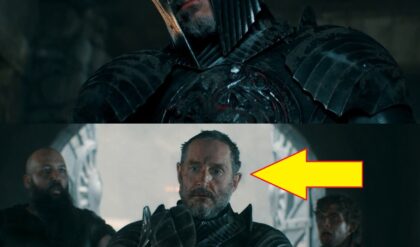
😢 MAEKAR TARGARYEN’S SECRET TORMENT After Killing His Brother Baelor – The Book Truth Is DEVASTATING! 💔
Years after the Trial of Seven, whispers followed Maekar everywhere: “Kinslayer.” “He meant to do it.” He became king, sat the Iron Throne… but peace? Never.
Fans call it one of the most heartbreaking Targaryen tragedies—Maekar wasn’t a villain; he was broken. What if Baelor had lived?
No Mad King? No wars? One swing changed everything forever.
Read more:
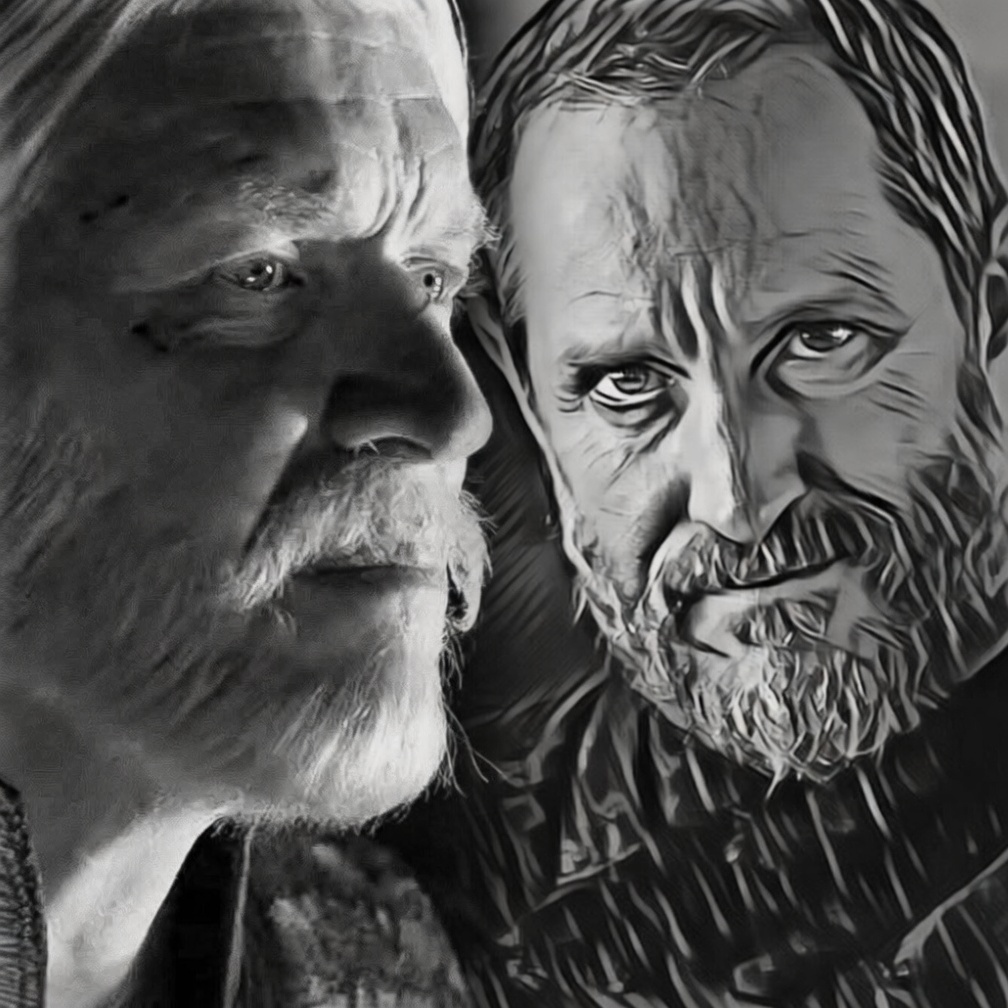
The death of Prince Baelor Targaryen, known as Breakspear, during the Trial of Seven in A Knight of the Seven Kingdoms Season 1, Episode 5 (“In the Name of the Mother”) stands as one of the most poignant tragedies in the HBO adaptation of George R.R. Martin’s “The Hedge Knight.” Baelor, the charismatic and honorable heir to the Iron Throne, dies from a mace blow delivered by his brother, Prince Maekar Targaryen, in the chaos of battle. While the show captures the immediate shock and grief, Martin’s novellas in the Dunk and Egg series reveal a deeper, more enduring impact on Maekar: years of profound regret, self-blame, and emotional hardening that shaped the rest of his life.
In the source material, Maekar’s accidental killing of Baelor is never in doubt—it was his mace that struck the fatal blow to the back of his brother’s head during the frenzied melee. Maekar himself acknowledges this to Ser Duncan the Tall shortly after the trial. In a private conversation under an elm tree, Maekar admits the whispers that would follow him: “Some men will say I meant to kill my brother. The gods know it is a lie, but I will hear the whispers till the day I die. And it was my mace that dealt the fatal blow, I have no doubt.” He adds a haunting detail: “Strange to say, I do not recall the blow that broke his skull. Is that a mercy or a curse?” This amnesia underscores the unintentional nature of the act—Maekar was driven by panic to save his son Aerion, swinging wildly in the fog and chaos, not with premeditated intent.
The chronicles in The World of Ice & Fire state explicitly that “Prince Maekar always bitterly regretted Baelor’s passing and marked its anniversary every year.” This annual observance was no mere formality; it reflected a persistent, personal mourning. Maekar, already described as prickly, impatient, and quick to judge—lacking his brother’s natural charisma—grew even more stern and unforgiving after the incident. His personality hardened further, turning inward into brooding isolation. He withdrew from court life, retreating to Summerhall, his seat in the stormlands, where he sulked and distanced himself from the intrigues of King’s Landing.
Maekar’s guilt manifested in subtle but telling ways. When he later ascended to the throne after the deaths of his brother King Aerys I and nephews, he reportedly viewed the Iron Throne as “punishment” for his role in Baelor’s death. In conversations referenced in fan analyses and secondary sources drawing from Martin’s texts, Maekar confided to his son Aemon (the future maester of the Night’s Watch) that receiving the crown felt like divine retribution. He never found peace, haunted by the knowledge that his actions—however accidental—had deprived the realm of its most promising ruler and altered the Targaryen succession irrevocably.
The aftermath strained family ties. Maekar punished his sons harshly in the wake of the trial: banishing Aerion to the Free Cities for his role in provoking the events and entrusting his youngest, Aegon (Egg), to Dunk’s care as a squire. This decision stemmed partly from Maekar’s recognition that he had failed as a father—his older sons Daeron and Aerion had proven disappointments—and a hope that the honorable hedge knight could instill better values in Egg. Yet it also reflected Maekar’s lingering shame; by allowing Egg to travel incognito with Dunk, he distanced himself from reminders of his own shortcomings.
Maekar’s later years were marked by further tragedy and isolation. He lost his wife early, saw two eldest sons die before him, and faced ongoing suspicions of kinslaying despite the accident’s circumstances. His command during the Second Blackfyre Rebellion demonstrated military competence, but personal accolades eluded him—victories were often credited to others, deepening his sense of being overshadowed by Baelor even in death. Maekar’s rule as king was competent but unremarkable, overshadowed by the instability that followed. He died in 233 AC during a rebellion at Summerhall, struck down in an ambush, ending a reign shadowed by the events of 209 AC.
Fans and analysts often describe Maekar’s arc as one of the most heartbreaking in Martin’s universe. Unlike deliberate villains, Maekar was a flawed but loving brother and father whose single moment of rage-fueled desperation cost him everything. Actor Sam Spruell, portraying Maekar in the HBO series, noted the layered grief: the actor highlighted how Maekar’s sadness was complicated by the realization that Baelor’s death positioned him closer to the throne, adding irony to his remorse. In the books, this internal conflict drives Maekar’s withdrawal—he punishes himself through sternness and solitude, never fully reconciling with what happened.
The tragedy extends beyond personal loss. Baelor’s survival might have stabilized House Targaryen, potentially averting the weaknesses that led to Aerys II’s madness and Robert’s Rebellion. Instead, Maekar’s unintended act set a chain of events in motion: Aerys I’s weak rule, Maekar’s brooding kingship, Egg’s eventual ascension as Aegon V (with reforms that stirred unrest), and the dynasty’s decline. Maekar’s regret, therefore, carries cosmic weight in the broader A Song of Ice and Fire saga.
In the Dunk and Egg stories that follow—”The Sworn Sword” and “The Mystery Knight”—Maekar is referenced but does not appear directly, his absence speaking volumes. Characters discuss him with a mix of respect for his strength and pity for his burdens. Dunk, who witnessed the trial, carries his own guilt for indirectly causing the chain of events, yet Maekar’s decision to entrust Egg to him suggests a measure of redemption-seeking. The hedge knight became a surrogate father figure, perhaps the one Maekar felt he could never be.
Critics of the adaptation note that while the show captures the immediate horror of Baelor’s death, the long-term emotional toll on Maekar—detailed in Martin’s prose—adds layers of tragedy. The annual marking of the anniversary, the self-described “curse” of forgetting the blow, and the view of kingship as punishment paint a portrait of a man forever trapped by one swing of his mace.
As A Knight of the Seven Kingdoms progresses toward its finale and potential future seasons, Maekar’s story serves as a reminder of Martin’s themes: honor’s high cost, the unpredictability of violence, and how personal failings ripple through history. Maekar’s enduring regret—bitter, quiet, and unrelenting—remains one of the most poignant echoes of the Trial of Seven, a wound that time never healed.