Why Baelor Targaryen Should NEVER Ascend To The Iron Throne, Explained
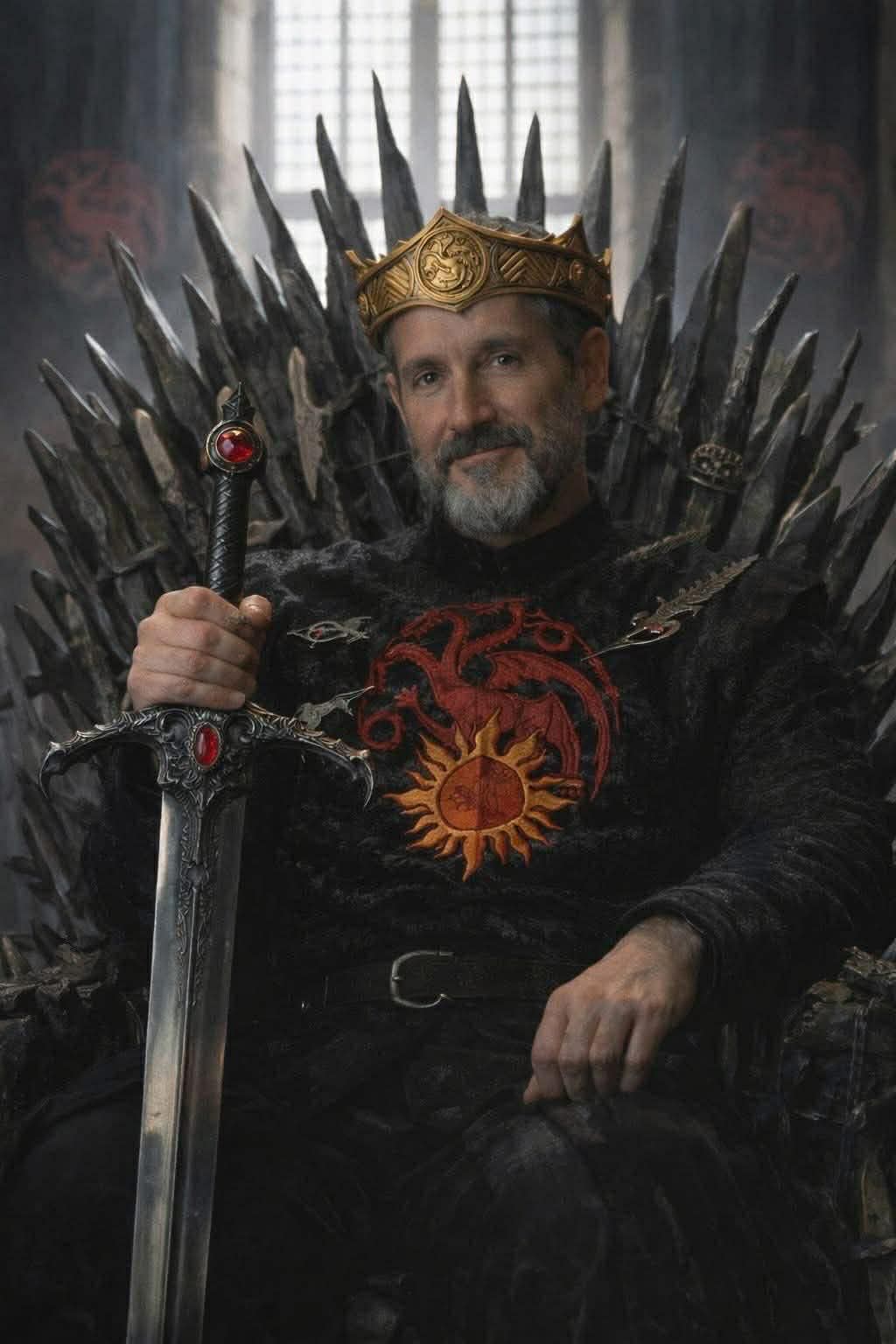
Imagine a Targaryen king who was actually… GOOD? No madness, no incest drama, no burning people alive. Just honor, strength, justice, and a leader who united Dorne with the realm without dragons or fire.
Prince Baelor “Breakspear” Targaryen — the heir who defended a lowly hedge knight in a Trial of Seven, smashed Daemon Blackfyre’s rebellion as the “hammer” to his brother’s “anvil,” and ruled wisely as Hand of the King. Beloved by lords AND smallfolk. Dark hair from his Dornish mom? No problem — he proved blood doesn’t define worth.
But he NEVER sat the Iron Throne. Why? Because if he HAD… the Targaryen dynasty might NEVER have fallen. No Mad King. No Robert’s Rebellion. No Game of Thrones at all.
George R.R. Martin killed him off for a reason: Westeros isn’t built for perfect kings. The gods (or GRRM) wouldn’t allow it.
Was his brutal death in the Trial just tragic accident… or divine judgment to keep the wheel turning?
This mind-blowing explanation (and why his survival would have changed EVERYTHING) is right here 👇
In the annals of Westerosi history, few figures inspire as much regretful speculation as Prince Baelor Targaryen, better known as Baelor Breakspear. As the eldest son and heir of King Daeron II Targaryen, Baelor was widely regarded as the ideal future king: honorable, capable, unifying, and beloved across the realm. Yet he never claimed the Iron Throne, dying at age 39 from wounds received during the infamous Trial of Seven at Ashford Meadow in 209 AC. His premature death reshaped House Targaryen and, by extension, the Seven Kingdoms, setting the stage for rebellions, madness, and eventual downfall.
Baelor was born to Daeron II and Queen Myriah Martell, the first Dornish queen consort following Daeron’s diplomatic marriage that peacefully integrated Dorne into the realm. Unlike many Targaryens with their signature silver hair and violet eyes, Baelor inherited his mother’s darker features — brown hair and eyes — which fueled early whispers of illegitimacy or dilution of “pure” Valyrian blood. These prejudices persisted, contributing to tensions that erupted in the First Blackfyre Rebellion.
Despite this, Baelor proved his worth early. He earned the nickname “Breakspear” after unhorsing the formidable Daemon Blackfyre at a tourney celebrating his aunt’s wedding, demonstrating martial prowess without the arrogance common among his kin. As Prince of Dragonstone and later Hand of the King, he served his father loyally, helping navigate the delicate post-Dorne integration and quelling unrest.
His defining moment came during the events chronicled in George R.R. Martin’s The Hedge Knight. When Ser Duncan the Tall, a hedge knight, faced accusations and a Trial of Seven, Baelor — defying family ties — volunteered to fight on Dunk’s side against his own relatives, including his nephews Aerion and Daeron. This act underscored his commitment to justice over blood or privilege. In the brutal melee, Baelor fought valiantly, but his brother Prince Maekar, charging to protect his son Aerion, accidentally struck Baelor with a mace blow to the head. Baelor lingered briefly, dying in Dunk’s arms after removing his helm to reveal the fatal wound.
The loss was catastrophic. Baelor’s son Valarr succeeded him as heir but died young of the Great Spring Sickness in 211 AC, further destabilizing the line. The throne passed to Baelor’s younger brother, Aerys I (a bookish, dragonless king), then to Maekar I — whose reign was marred by paranoia and family strife. Maekar’s line eventually produced Aerys II, the Mad King, whose tyranny sparked Robert’s Rebellion and the end of Targaryen rule.
Fan discussions and analyses, amplified by the HBO adaptation A Knight of the Seven Kingdoms, frequently argue Baelor’s ascension would have altered this trajectory. His Dornish heritage symbolized unity rather than conquest, potentially quelling Blackfyre sympathizers who rallied around “pure” Valyrian ideals. As a proven warrior-diplomat, he might have avoided the rebellions that weakened the crown. Commentators note GRRM’s pattern: “perfect” characters like Baelor rarely survive, as Westeros thrives on moral ambiguity and tragedy. Had he lived, the dynasty might have endured without descending into madness or civil war.
Critics of this view point out practical flaws. Ruling requires more than honor — administration, ruthlessness when needed, and political maneuvering. Baelor’s idealism, evident in siding with a lowborn knight against kin, could have alienated powerful houses. Some speculate his “too good” nature made him narratively unsustainable; Martin needed chaos for the story’s conflicts.
Comparisons to other “lost heirs” abound. Like Rhaegar Targaryen or even Jon Snow in later eras, Baelor represented untapped potential. Recent coverage highlights how his dark hair ties into a pattern: non-traditional Targaryens (Dornish-influenced or otherwise) often fail to rule, reinforcing themes of blood purity versus merit.
Baelor’s death also echoes broader themes in Martin’s work — the gods (or fate) punishing hubris or deviation. Some fans theorize the Trial’s outcome as “divine judgment” for Baelor’s tactical choices, though most see it as tragic accident. Regardless, his removal cleared the path for lesser men, culminating in the realm’s fracture.
In the end, Baelor Breakspear remains the king Westeros never had: a bridge between old Valyrian supremacy and new unity, a ruler who might have healed divisions rather than deepened them. His story serves as a poignant reminder that in the game of thrones, even the worthiest players can fall before claiming victory.