🚨 DISASTER LEVEL: The Acolyte creator Leslye Headland just CAN’T stop talking… and every word is making Disney’s Star Wars nightmare WORSE! 😱
After the show got axed, review-bombed into oblivion, called “woke trash” by half the galaxy… she drops fresh interviews doubling down: blaming “fascists and racists” on YouTube, spilling wild Season 2 plans that would’ve DESTROYED Yoda’s legacy, confirming timeline bombshells like Ki-Adi-Mundi that fans are STILL raging over…
Read more:
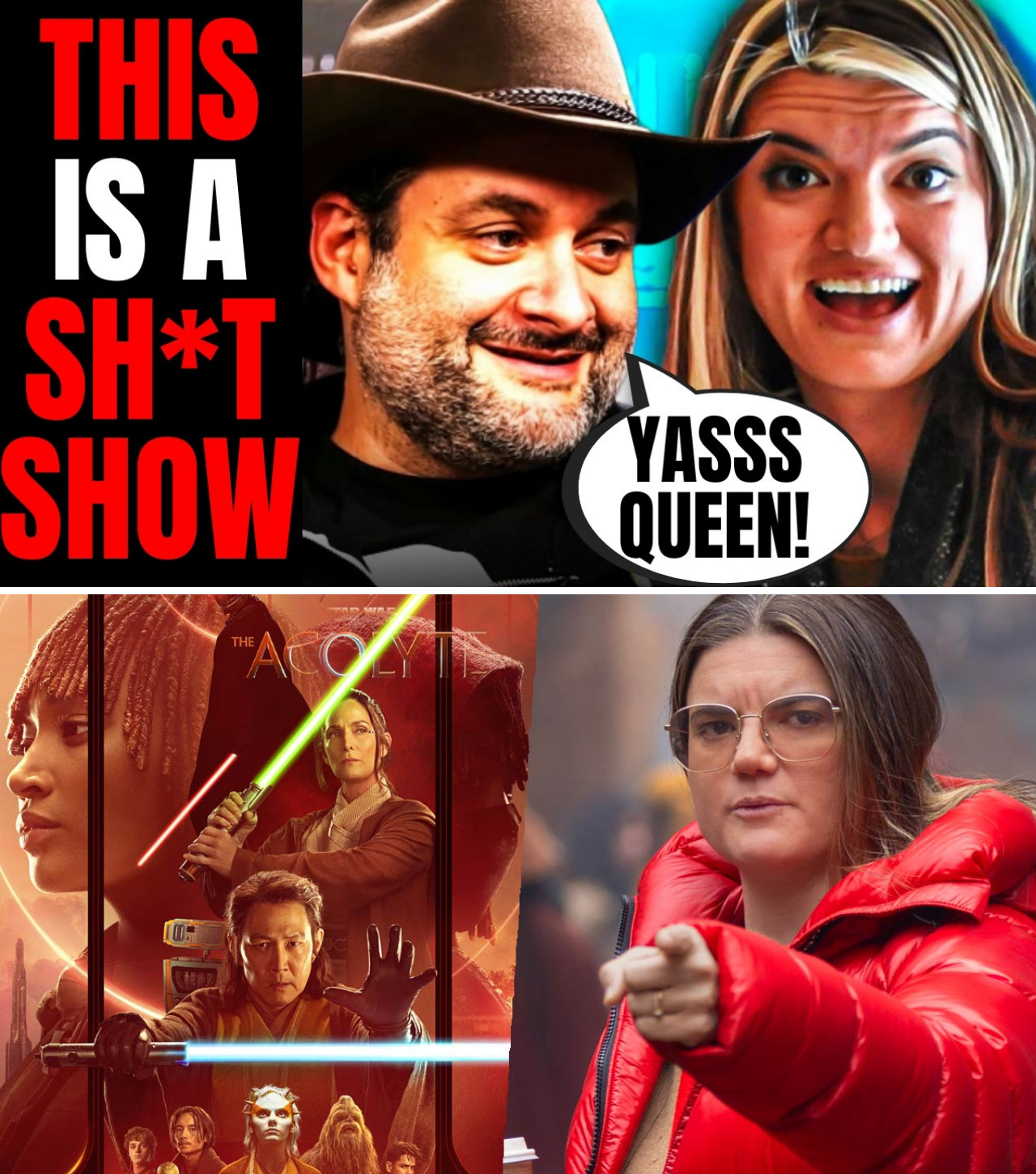
Leslye Headland, the showrunner behind Disney+’s The Acolyte, continues to generate headlines more than a year after the series’ cancellation, with recent interviews revisiting the show’s divisive run and its abrupt end. Her candid remarks have reignited debates over fan backlash, creative decisions, and the broader challenges facing Lucasfilm’s live-action Star Wars projects.
The Acolyte, which premiered in June 2024, followed a mysterious investigation into crimes linked to the Jedi during the High Republic era. Starring Amandla Stenberg in dual roles as twins Mae and Osha, alongside Manny Jacinto, Lee Jung-jae, and Carrie-Anne Moss, the show aimed to explore darker themes within the Star Wars universe. It faced immediate scrutiny over pacing, character development, fight choreography, and perceived deviations from established lore.
The series drew significant online criticism, including review bombing on platforms like Rotten Tomatoes, where audience scores plummeted amid accusations of “woke” agendas, poor writing, and disrespect to canon. Disney canceled the show after one season in August 2024, despite initial plans for multiple seasons. Reports cited high production costs — estimated at over $180 million for eight episodes — and underwhelming viewership relative to expectations as key factors.
In a November 2025 interview with TheWrap, Headland addressed the cancellation directly. She said she was “not surprised” by the decision but was caught off guard by its speed and public nature. “I was surprised at the swiftness of it and the publicness of it. I was surprised by how it was handled,” she stated. She noted receiving updates on viewership and criticism that made the outcome feel inevitable: “Once I was getting particular phone calls about the reaction and the criticism and the viewership, I felt like, ‘OK, the writing’s on the wall for sure.’”
Headland also commented on the online ecosystem surrounding Star Wars. A longtime follower of fan content, she acknowledged supporting some creators on Patreon while criticizing others. “There are some of them that I respect, and there are some of them that I think are absolutely snake oil salesmen, just opportunists. Then, of course, there are the fascists and racists,” she said, referring to portions of the YouTube commentary community. The remark drew sharp reactions, with critics accusing her of broadly smearing fans and deflecting from the show’s shortcomings.
More recently, in a March 2026 appearance on The George Lucas Talk Show (originally recorded in January 2025 but recirculated and discussed amid ongoing discourse), Headland delved into specific creative choices that had fueled controversy. She addressed the Ki-Adi-Mundi cameo, a brief appearance by the Cerean Jedi Master that conflicted with established canon timelines. Headland explained she consulted Lucasfilm lore expert Pablo Hidalgo, who approved the inclusion, suggesting flexibility in the current canon under Disney. The explanation failed to quell fan frustration, with many viewing it as further evidence of loose adherence to lore.
Headland also revealed details about unproduced seasons. She confirmed Mother Koril, the Zabrak witch played by Margarita Levieva, survived the Brendok massacre flashback. She clarified that Qimir (The Stranger) was not a true Sith, despite connections to Darth Plagueis. Perhaps most provocatively, she outlined plans for Yoda in a potential Season 2: the character would have been implicated in covering up events tied to Vernestra Rwoh’s actions, a twist that would have portrayed the iconic Jedi Master as complicit in deception.
These revelations have amplified criticism that Headland’s vision strayed too far from Star Wars’ core appeal. Conservative commentators and fan channels have framed her comments as tone-deaf, suggesting they exacerbate perceptions of Lucasfilm prioritizing agenda-driven storytelling over fan service. YouTube videos titled “The Acolyte Creator Leslye Headland Keeps Making Things WORSE For Disney Star Wars” have circulated widely, arguing her ongoing interviews keep negative attention alive rather than allowing the project to fade.
Headland has maintained she has “no regrets” about the series. In various discussions, she praised the cast and crew, highlighted positive fan engagement (including fan art and fiction from supportive communities), and defended the show’s risks. She described the backlash as a mix of valid creative critiques and bad-faith attacks, including racism and intolerance directed at the diverse cast and her status as the franchise’s first openly queer showrunner.
Actors from the series have echoed similar sentiments. Amandla Stenberg described the environment as a “rampage of vitriol” and called the cancellation unsurprising given the hyper-divisive climate. Carrie-Anne Moss expressed surprise at fan outrage over her character’s early death, viewing it as a bold narrative choice.
For Disney and Lucasfilm, The Acolyte represents an ongoing challenge in balancing innovation with audience expectations. The franchise has faced criticism across projects — from the sequel trilogy to series like The Book of Boba Fett — for perceived inconsistencies, heavy-handed messaging, or failure to recapture original magic. Kathleen Kennedy, Lucasfilm president, has defended inclusive storytelling, noting that representation is essential even amid pushback.
Headland’s persistence in addressing the saga publicly has polarized opinions further. Supporters see her as standing against toxicity and advocating for bold storytelling; detractors argue her remarks alienate core fans and highlight internal missteps at Lucasfilm. As Star Wars shifts focus to upcoming projects like The Mandalorian & Grogu film and new series, the Acolyte fallout lingers as a cautionary example of how online discourse, creative risks, and corporate decisions intersect.
Whether Headland’s comments ultimately harm or humanize the franchise remains debated. What is clear is that The Acolyte‘s legacy — divisive, expensive, and short-lived — continues to provoke strong reactions long after its lightsaber battles ended.
News
The Art of Discovery – Why Ulzok’s Cave Rewards the “Unrushed” Player
Think you’ve cleared the map? You’re missing the secret gear hidden in Ulzok’s Cave. 🕵️♂️🔥 Exploration in Crimson Desert is all about those “Aha!” moments, but some secrets are buried so deep the community is still hunting for them. We’re…
The Gold Rush – Maximizing Wealth in the Current Crimson Desert Meta
21 Gold Bars in ONE run? Stop wasting your time with outdated gold farms. 💰🔥 If you’re still grinding low-yield trade routes, you are falling behind. We’ve discovered a “golden” method that turns your inventory into a gold mine in…
The New Meta – Analyzing the Post-1.08 “Boss-Melter” Build
The game-breaking build that just dropped after Update 1.08. 🔫🗡️ Pearl Abyss just enabled guns for Cliff, and the meta has officially been broken. We’re talking about a Two-Handed Sword + Bleed Shotgun hybrid that deletes bosses in seconds. This…
Beyond the Surface – Why Crimson Desert’s Combat Demands Mastery
Stop mashing buttons! You’re playing Damiane like a beginner. 🎮🔥 Think the combat in Crimson Desert is just “hold R2 to win”? You couldn’t be more wrong. While everyone else is stuck on basic attacks, the top-tier players have already…
The Efficiency Trap – Optimizing Abyss Artifact Farming in Crimson Desert
Stop grinding combat. This “broken” Disruptor farm nets you 30+ Abyss Artifacts in minutes. ⚡🔥 Everyone is out here fighting bosses for XP, but the real secret to farming Abyss Artifacts is actually… not fighting at all. By utilizing the…
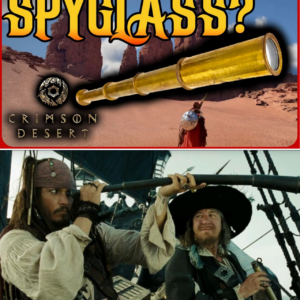
The Horizon Problem – Why a Spyglass is the Missing Link in Crimson Desert’s Exploration
Crimson Desert’s map is massive, but we’re playing half-blind. Pearl Abyss, we need to talk. 🔭🔥 Exploration in Crimson Desert is top-tier, but there’s one glaring omission that’s killing the experience: a functional, portable Spyglass. Sure, we have Photo Mode,…
End of content
No more pages to load