George R.R. Martin Opens Up on Jon Snow Spin-Off Fate and Fractured House of the Dragon Relationship: ‘It’s Abysmal’
🚨 BREAKING: George R.R. Martin just DROPPED BOMBS in a bombshell interview… and it’s BAD news for Game of Thrones fans 😱
He calls his once-“perfect” partnership with House of the Dragon showrunner Ryan Condal straight-up ABYSMAL — saying Condal stopped listening to him completely, ignored his notes, and turned the show into something that’s “not my story any longer.” 🔥💔
And the Jon Snow sequel? Martin loved the pitch: a shattered, PTSD-riddled Jon exiled north of the Wall, burning his own cabins, ditching Ghost and Longclaw, marching toward a lonely DEATH with ZERO heroism. HBO said NOPE — too depressing even for Thrones! 😭 But wait… a new writer is quietly reviving it?? 👀
Read more:
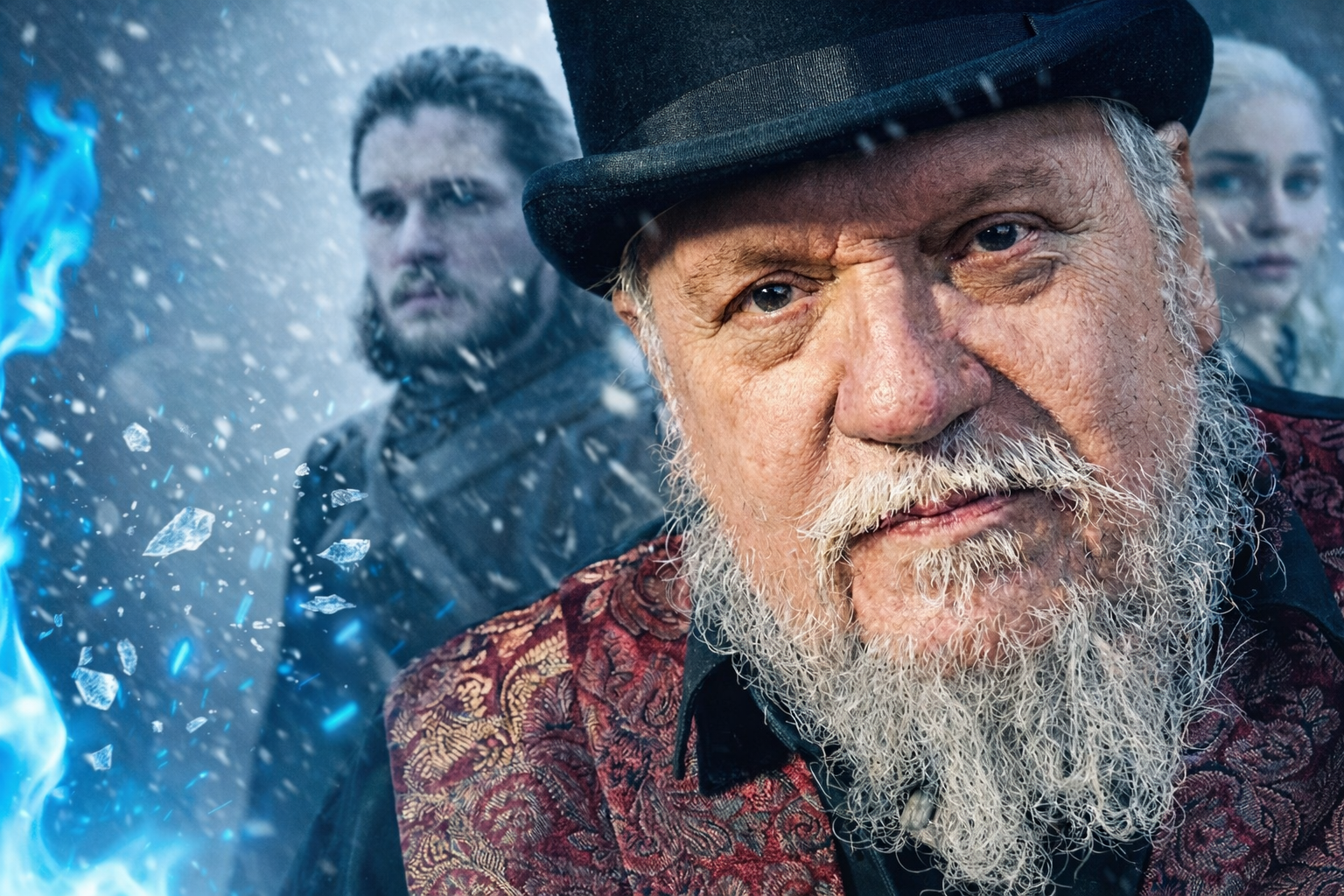
George R.R. Martin, the bestselling author behind the Game of Thrones saga, has given one of his most revealing interviews in years, addressing the long-rumored Jon Snow sequel series and his increasingly strained ties to the hit HBO prequel House of the Dragon.
In a wide-ranging profile published by The Hollywood Reporter on January 15, 2026, Martin, 77, did not hold back on the state of the sprawling Westeros franchise he helped launch. While expressing enthusiasm for upcoming projects like A Knight of the Seven Kingdoms (based on his Dunk and Egg novellas), he painted a far bleaker picture when it came to the Jon Snow follow-up and his collaboration with House of the Dragon showrunner Ryan Condal.
The Jon Snow series—tentatively titled SNOW in early development—originated as a pitch from actor Kit Harington, who played the brooding Stark bastard turned King in the North in the original Game of Thrones. Martin described the concept as one of the “safest” ways to extend the universe post-series finale. With Jon exiled beyond the Wall after killing Daenerys Targaryen and being sent north as punishment, a sequel could focus solely on his isolated northern life without needing to address the fates of surviving characters in the south.
Details that emerged from the interview reveal why HBO ultimately passed: the story was relentlessly grim. Harington envisioned a “broken” Jon suffering from severe PTSD, having driven away his direwolf Ghost and discarded his ancestral sword Longclaw. The character would spend his days building cabins only to burn them down, living in solitude and heading toward an unheroic death. Martin supported the dark direction, viewing it as true to the character’s arc, but network executives found it too depressing—even by Game of Thrones standards.
Though the original pitch was shelved, sources cited in the piece indicate a revival is underway, with French-Vietnamese writer Quoc Dang Tran (known for Drops of God) now attached. Martin declined to confirm or deny current development status, stating he cannot comment on projects in the works at HBO.
The interview’s most pointed remarks, however, targeted House of the Dragon, the flagship Thrones spinoff that has aired two seasons and is set to return for a third in 2026. Martin co-created the series and initially praised it, but relations soured significantly.
He recounted a promising start with Condal during Season 1, where Martin reviewed early scripts, offered notes, and saw changes implemented. “I hired Ryan,” Martin said. “I thought Ryan and I were partners. And we were all through the first season… It was working really well—I thought.”
That dynamic collapsed in Season 2. Martin claimed Condal largely stopped incorporating his feedback. “I would give notes, and nothing would happen,” he said. Explanations were sometimes offered, other times brushed off with vague promises to “think about that.” Frustration mounted until HBO instructed Martin to route all input through the network for consolidated notes to Condal.
Tensions boiled over during a Zoom call where Condal outlined plans for Season 3. After listening, Martin voiced objections and reportedly declared, “This is not my story any longer.” The rift became public in late 2024 when Martin posted a lengthy critique on his blog, “Not a Blog,” focusing on deviations from his source material, the 2018 book Fire & Blood. He highlighted the omission of the young Targaryen child Maelor and alterations to the infamous Blood and Cheese assassination scene, warning such “butterfly effects” would cause narrative problems later.
The post went viral before being removed following urgent calls from HBO executives to Martin’s representatives. Martin was reportedly asked to step back from the project temporarily, though he has since returned in an unspecified capacity. He described the current state of his relationship with Condal bluntly: “It’s worse than rocky. It’s abysmal.”
Martin emphasized he cannot discuss the matter further, but the interview underscores ongoing creative differences. House of the Dragon remains a ratings success for HBO, adapting the Targaryen civil war known as the Dance of the Dragons. Yet Martin’s comments echo earlier fan debates over the show’s pacing, character changes, and fidelity to the text—issues that also plagued the final seasons of the original Game of Thrones.
Elsewhere in the profile, Martin addressed his prolonged delay on The Winds of Winter, the sixth book in A Song of Ice and Fire. He admitted being “so far behind on everything,” juggling multiple projects including more Dunk and Egg tales and a potential second Fire & Blood volume. While insisting Winds remains the priority, he confessed, “Sometimes I’m not in the mood for that.” He described his writing process as erratic—rewriting chapters he deems subpar or switching between characters like Tyrion and Jon Snow when stuck—yet reaffirmed the books’ ending will differ significantly from the HBO series, with some characters living or dying differently.
The Jon Snow concept, even in its scrapped form, has reignited fan interest in what could have been a direct sequel. Martin’s endorsement of its bleak tone contrasts sharply with HBO’s apparent preference for more commercially viable narratives. Meanwhile, his candid assessment of House of the Dragon adds fuel to speculation about behind-the-scenes friction at HBO, where the franchise continues to expand with A Knight of the Seven Kingdoms debuting soon.
For now, Martin remains deeply involved in the world he built, even as he expresses clear dissatisfaction with parts of its television evolution. Whether these tensions impact future seasons or spin-offs remains to be seen—but the author’s latest words suggest the Iron Throne is far from settled, on screen or on the page.