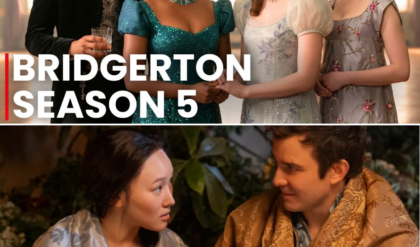
From prim porcelain blues in Season 1 to Sophie’s haunting silver gown that hides EVERY secret… Bridgerton’s costumes aren’t just pretty — they’re loaded with shocking hidden codes no one saw coming! 😱✨
Season 1: Daphne’s innocent pastels scream ‘perfect debutante.’ Season 2: Kate’s bold jewel tones whisper forbidden passion. Season 3: Penelope sheds citrus prison for elegant greens — finally free? But Season 4? Benedict’s romantic poet shirts, Sophie’s maid-to-masquerade transformation, and that Lady in Silver dress with its amethyst necklace and veiled vulnerability… it’s ALL symbolism screaming class rebellion, hidden identity, and a love that could shatter the ton.
The designers dropped clues in fabrics, colors, masks, even glove details — and the meanings will blow your mind once you connect them. Is Sophie’s silver a Cinderella escape… or a trap?
This evolution from Regency restraint to full fantasy rebellion is wilder than you think. Fans are losing it over what it REALLY means for Benophie.
You HAVE to see the breakdown before Part 2 hits — these hidden details change everything. 👇🔥👗
As “Bridgerton” Season 4 Part 2 gears up for its February 26 premiere on Netflix, the show’s costumes continue to steal the spotlight. What began as a bold reimagining of Regency fashion in Season 1 has grown into a layered visual language packed with symbolism, character growth, and subtle rebellion. Costume designers — from Ellen Mirojnick in Season 1 to Sophie Canale in Season 2, and John Glaser handling Seasons 3 and 4 — have used color palettes, fabrics, silhouettes, and accessories to tell stories words alone can’t capture. The result? A wardrobe evolution that’s as dramatic as any ballroom scandal, with hidden meanings that reward close viewing.
Season 1, under Mirojnick’s vision, set the tone by blending Regency silhouettes with modern flair. Inspired by 1950s and 1960s fashion — think Dior’s New Look — the team ditched strict historical accuracy for aspirational glamour. No bonnets, lower necklines, and vibrant colors defined the world. Families were color-coded: The Bridgertons wore soft Wedgewood blues and silvers, signaling refinement, nobility, and established prominence. Blue evoked calmness, clarity, and security — fitting for the ton’s most respected clan.
Daphne Bridgerton (Phoebe Dynevor) started in pale pastels, embodying innocence and porcelain perfection as the season’s “diamond.” Her wardrobe shifted post-marriage to Simon Basset (Regé-Jean Page): Incorporating his passionate reds created purples — a visual merger symbolizing union and maturity. The Featheringtons, by contrast, dazzled in garish citrus hues — oranges, yellows, pinks — reflecting their outsider status, desperation for visibility, and “new money” flashiness. Portia Featherington’s bold choices screamed ambition, even as the family’s finances crumbled.
Accessories carried weight too. Bees embroidered on Simon’s outfits nodded to his family crest and the Bridgerton books’ foreshadowing. Over 7,500 pieces were created, each layered with intent.
Season 2, led by Canale, pushed the palette forward while honoring the foundation. The Sharmas introduced warmer jewel tones — vibrant greens, golds, and reds — inspired by their Indian heritage, adding cultural depth. Kate Sharma’s (Simone Ashley) outfits grew bolder as her passion for Anthony Bridgerton (Jonathan Bailey) intensified, with fiery accents mirroring emotional turmoil. Anthony’s wardrobe softened subtly, incorporating Bridgerton blues as he opened up. The color shifts tracked character arcs: from restraint to release, duty to desire.
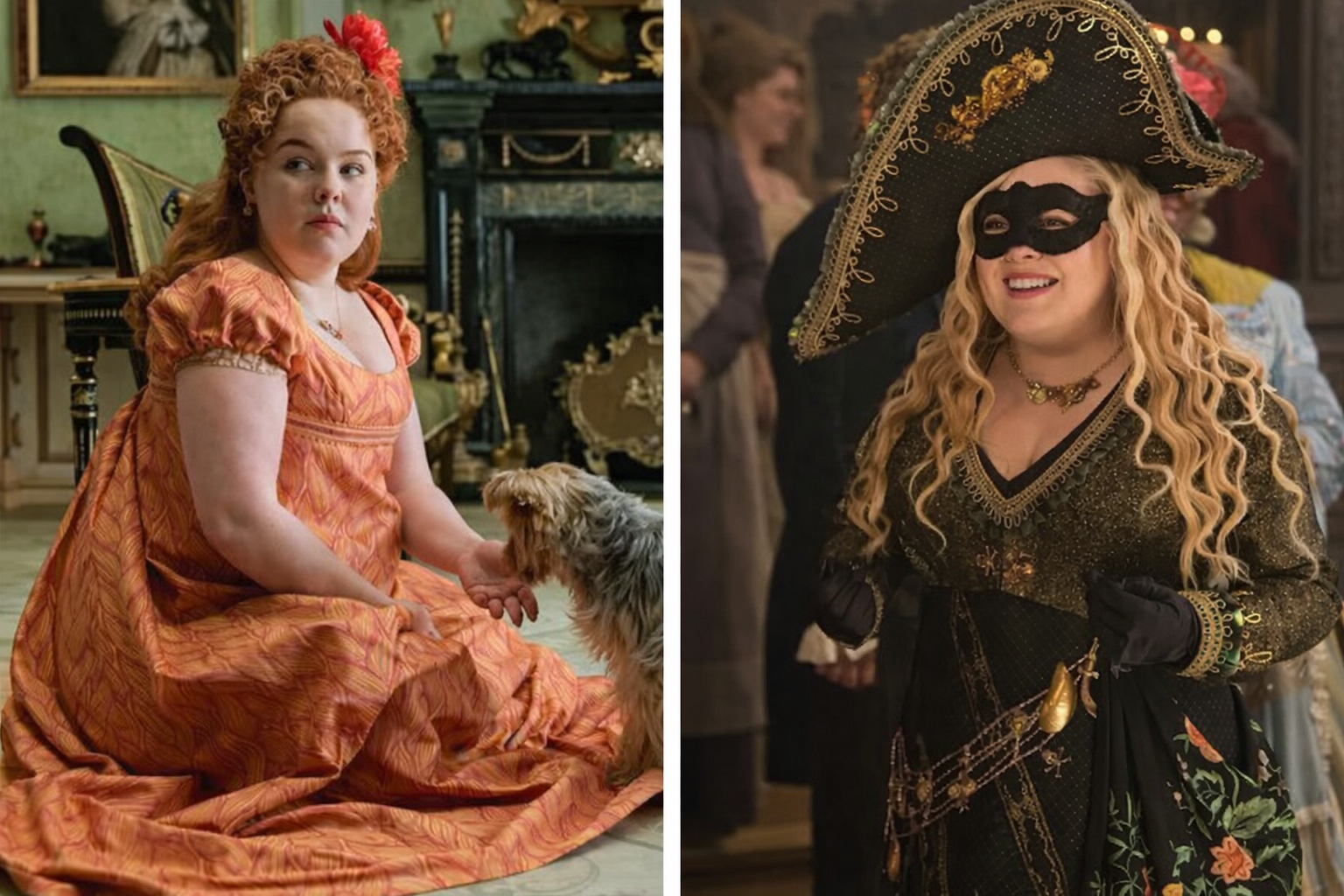
Penelope Featherington’s (Nicola Coughlan) citrus overload highlighted her mother’s control and her own invisibility. As she gained confidence, hints of greener tones emerged — a preview of her Season 3 transformation.
Season 3 brought John Glaser’s extravagant touch. Penelope’s move away from bright yellows and pinks to sophisticated greens and blues marked her growth: No longer Portia’s puppet, she blended into society, her lowered hems signaling womanhood. Ombré effects and seasonal inspirations blurred tones, reflecting her internal evolution from wallflower to force. The Bridgertons retained their elegant blues, but warmer accents crept in, showing family expansion and change.
Now Season 4, still under Glaser, dives into Benedict Bridgerton (Luke Thompson) and Sophie Baek’s (Yerin Ha) Cinderella-inspired romance — and the costumes deliver some of the show’s most layered symbolism yet.
Benedict’s looks lean into Romanticism: Loose poet blouses with deep V-necks and ruffles evoke artistic rebellion and freedom. His rakish yet vulnerable style contrasts earlier seasons’ structured suiting, hinting at his shift from carefree bachelor to man ready for commitment.
Sophie, the season’s breakout, embodies duality. As a maid, her outfits are simple and dark — plain brown at Penwood House, striped purple with fichu, then Bridgerton staff uniform — underscoring her outsider status and class divide. These muted tones make her stand out against the ton’s opulence, emphasizing invisibility and hardship.
Her masquerade transformation into the “Lady in Silver” is the season’s showstopper. The silver gown — enchanting, sexy, mysterious — contrasts her daily drabness. Designers aimed for subtlety: Not overly memorable in detail, but unforgettable in impression. Benedict’s memory focuses on fragments — shoe clips, custom gloves, lace demi-mask hiding her face. The amethyst necklace stands out in fan analyses: Purple tones tie to transformation and royalty, perhaps foreshadowing her legitimacy reveal. Transparent fabrics balance concealment and vulnerability — she hides her identity while baring her soul.
Araminta Gun (Katie Leung) and her daughters channel Disney evil-stepmother vibes: Pointed shoulders, high necklines, sharp glamour underscoring cruelty and social climbing.
Violet Bridgerton’s (Ruth Gemmell) softer, sensual shift — as she explores new romance — features enchanting fairy-queen elements, signaling her own awakening.
The overall evolution from Season 1’s restrained Regency nods to Season 4’s fantastical extravagance reflects the show’s growing confidence. Early seasons used color to code families and status; later ones track personal growth through fabric, fit, and detail. Silhouettes soften, palettes warm, and accessories hide Easter eggs — gloves Benedict slips off, masks concealing truths.
Critics praise the intentionality. Glaser’s team balances fantasy with emotional depth: Sophie’s silver isn’t just beautiful — it’s a rebellion against class rigidity. Benedict’s poetic dishevelment signals breaking free from expectations.
As Part 2 approaches, these costumes promise payoff. Will Sophie’s hidden symbols — amethyst, silver, veiled vulnerability — lead to her Bridgerton integration? The visual storytelling suggests yes: From outsider drab to ton-shaking elegance.
“Bridgerton” proves costumes are more than eye candy. They’re narrative tools, embedding meaning in every stitch. From Daphne’s purples to Sophie’s silver, the wardrobe evolves with the characters — and the hidden meanings keep fans decoding long after the credits roll.
News

POWER, PRIVILEGE, AND PAIN: WHY ‘MAXTON HALL’ SEASON 3 IS THE ULTIMATE TEST FOR RUBY AND JAMES
THE BELL-BEAUFORT DYNASTY IS CRUMBLING! 🏰 The Maxton Hall Season 3 “Official Trailer” just dropped and it’s pure emotional warfare! Ruby and James thought they survived the worst, but the “Official” look at Season 2’s aftermath just revealed a secret…
SIRENS OF RAYBURN: HOW ‘ZOMBIES 5’ IS REINVENTING THE DISNEY MUSICAL FORMULA
SOMETHING IS IN THE WATER! 🧜♀️ The Zombies 5 “Mermaids” Teaser just dropped and Rayburn will never be the same! Forget the woods, the real danger is coming from the deep! The “First Look” at Zombies 5: Secrets of the…
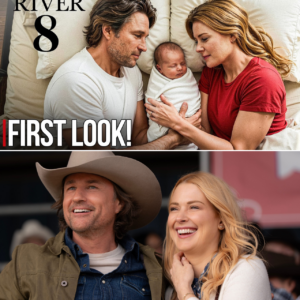
BEYOND THE WEDDING: ‘VIRGIN RIVER’ SEASON 8 AND THE SHOCKING REVELATIONS THREATENING THE TOWN’S PEACE
THE SECRET MEL AND JACK NEVER SAW COMING! 🌸 The Virgin River Season 8 “First Look” just changed the game forever! Is the peaceful life in the Redwood Forest about to be shattered? After the emotional rollercoaster of the wedding,…
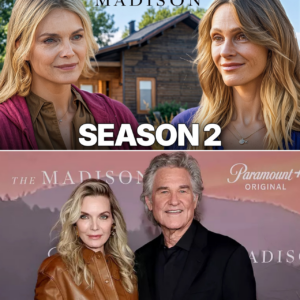
BEYOND GRIEF: ‘THE MADISON’ SEASON 2 REVEALS A DARKER SIDE OF THE MONTANA SKYLINE
NEW YORK LUXURY MEETS MONTANA GRIT! 🏔️ The Madison Season 2 trailer just dropped, and the Clyburn family’s “healing journey” just took a deadly turn! Wait… did we just see a ghost? The Season 2 teaser for Taylor Sheridan’s “The…

A TIME-TRAVELING TURMOIL: HOW ‘BLOOD OF MY BLOOD’ SEASON 2 IS REWRITING THE OUTLANDER GENEALOGY
THE STONES HAVE SPOKEN! 🪨 The Blood of My Blood Season 2 trailer just shattered every fan theory in the Outlander universe! Wait… did the gemstones just fail at the worst possible moment? The Season 1 cliffhanger left Henry and…

GREEK TRAGEDY OR MEDITERRANEAN MAGIC? INSIDE THE ‘EMILY IN PARIS’ SEASON 6 TRAILER BOMBSHELL
AU REVOIR PARIS, CIAO ROMA… HELLO GREECE?! 🇬🇷 The Emily in Paris Season 6 Trailer just leaked and it’s absolute chaos! Is Emily Cooper finally trading her croissants for souvlaki, or is this the ultimate betrayal of the show’s very…
End of content
No more pages to load