🚨 HOTD Just FIXED Game of Thrones’ BIGGEST Villain Mistake – And It’s Already Paying Off Huge! 😱🔥🐉
Remember how Game of Thrones turned EVERYONE into cartoon villains by the end? Cersei became pure evil queen, Ramsay was mustache-twirling psycho, even Daenerys flipped to “Mad Queen” overnight with zero buildup… fans HATED how the show ditched gray morality for black-and-white “good guys vs super-villains”!
But House of the Dragon? It’s doing the OPPOSITE – and crushing it.
No mustache-twirlers here. The Greens and Blacks? Both sides are messy, sympathetic, ruthless, and tragically human. Alicent isn’t a scheming witch; she’s a grieving mom trapped in duty. Rhaenyra isn’t flawless hero; she’s ambitious and flawed. Aemond? Terrifying but broken. Daemon? Chaotic but loyal in his twisted way.
Showrunners learned from GoT’s flop:…
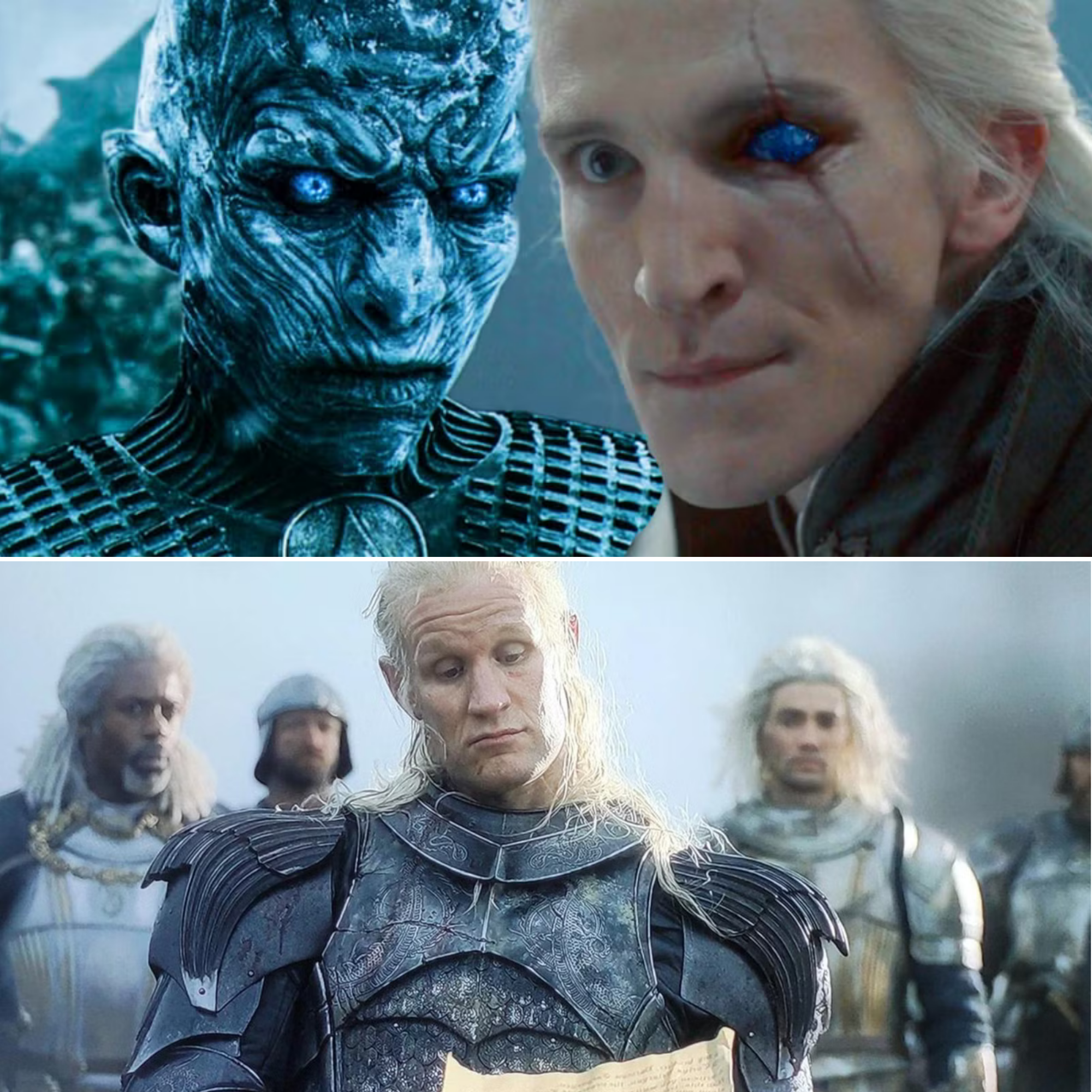
The final seasons of Game of Thrones (2011–2019) drew heavy criticism for simplifying its once-nuanced characters into clearer heroes and villains. Early seasons thrived on moral ambiguity: characters like Tyrion Lannister balanced wit and cruelty, Cersei Lannister protected her children while committing atrocities, and even protagonists like Daenerys Targaryen showed ruthless streaks. As the show outpaced George R.R. Martin’s published books, however, arcs became rushed. Daenerys’s “Mad Queen” turn felt abrupt, Cersei devolved into cartoonish evil, Ramsay Bolton existed as pure sadism, and the Night King served as a faceless super-villain without depth. This shift eroded the series’ signature gray morality, turning complex political intrigue into a straightforward good-vs-evil battle that disappointed many fans.
House of the Dragon (2022–present), the first major spin-off, adapts Martin’s Fire & Blood—a complete historical account of the Targaryen civil war known as the Dance of the Dragons. Set roughly 170–200 years before Game of Thrones, the series chronicles the fracture between Rhaenyra Targaryen (Emma D’Arcy) and her half-siblings led by Alicent Hightower (Olivia Cooke). From its premiere, House of the Dragon has deliberately avoided replicating Game of Thrones‘ villain problem by embracing moral complexity across all factions.
The core approach: there are no unambiguous “villains.” The conflict pits the Blacks (Rhaenyra’s supporters) against the Greens (Aegon II’s faction), but neither side is portrayed as wholly righteous or irredeemable. Showrunner Ryan Condal and the writers emphasize that the Targaryen family—and the patriarchal system they uphold—serves as the true antagonist. Greed, fear, duty, grief, and ambition drive every decision, creating tragedy rather than melodrama.
Key examples illustrate this restraint. Alicent Hightower begins as Rhaenyra’s childhood friend but becomes her rival through political maneuvering and genuine belief in male primogeniture. In the books, Alicent is more overtly ambitious and ruthless; the show softens her edges, portraying her as a woman shaped by societal pressures, religious devotion, and maternal protectiveness. Her actions—pushing Aegon II’s claim—stem from fear for her children’s safety rather than cartoonish power lust. This makes her sympathetic even as she enables war.
Rhaenyra, the named heir, faces sexism and betrayal that justify her claim, yet she exhibits flaws: impulsiveness, entitlement, and willingness to use violence. Her supporters, including Daemon Targaryen (Matt Smith), embody chaos and loyalty in equal measure. Daemon’s brutality—such as his Stepstones conquest—is not excused but contextualized as survival in a cutthroat world. Aemond Targaryen (Ewan Mitchell), often seen as a breakout “villain,” is terrifying yet tragic: scarred by childhood bullying, he channels rage into vengeance (e.g., killing Lucerys Velaryon), but his arc hints at deeper insecurity.
This balanced portrayal contrasts sharply with Game of Thrones‘ later villains. Ramsay Bolton existed solely for shock value, with no redeeming qualities or backstory justifying his cruelty. Joffrey Baratheon was a spoiled tyrant from the start. Daenerys’s descent relied on sudden “madness” tropes rather than gradual erosion. House of the Dragon avoids such shortcuts by grounding darker actions in personal history and systemic pressures.
The show’s structure aids this nuance. With fewer episodes per season (8–10) and a focused timeline, House of the Dragon prioritizes character moments over spectacle. Season 1 built relationships slowly, showing how friendships fracture into enmity. Season 2 deepened psychological tolls—grief over lost children, fractured alliances—without rushing to battles. Critics note this patience allows viewers to understand motivations on both sides, preventing the “team good vs team evil” divide that plagued Game of Thrones.
Martin himself has praised aspects of the adaptation while critiquing deviations, but the core fidelity to Fire & Blood‘s impartial, historical tone preserves ambiguity. The book presents events through biased in-universe chroniclers, leaving truth murky; the show mirrors this by avoiding definitive “right” sides.
Fan discussions on platforms like Reddit highlight appreciation for this approach. Many argue House of the Dragon recaptures early Game of Thrones magic by making every character flawed and human. The absence of a singular “big bad”—no equivalent to the Night King or Ramsay—keeps tension internal and tragic.
Challenges remain. Some viewers accuse the show of favoring the Blacks through sympathetic framing (e.g., Rhaenyra’s reluctance to escalate), while others praise it for humanizing Greens. As the Dance escalates in future seasons—with dragon battles, betrayals, and mass casualties—the test will be maintaining this balance without tipping into simplification.
Ultimately, House of the Dragon avoids Game of Thrones‘ villain pitfalls by committing to Martin’s philosophy: in Westeros, power corrupts everyone, and no one escapes unscathed. The series reminds audiences that true tragedy arises not from evil masterminds but from ordinary people making impossible choices in extraordinary circumstances. If it sustains this through its planned four (or potentially five) seasons, it could redeem the franchise’s reputation for nuanced storytelling.
News
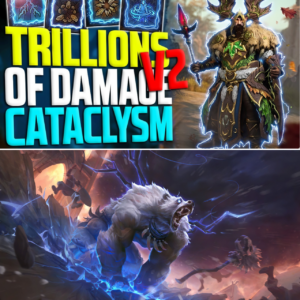
The Storm-Bear Paradox: Scaling the Ultimate Cataclysm Druid in Diablo 4
Think Druid is weak? This Cataclysm build is literally breaking the game! ⛈️ Stop struggling in Tier 12 and failing those Pit runs. Everyone thinks Druid needs to be a standard shapeshifter to win, but they are dead wrong. By…
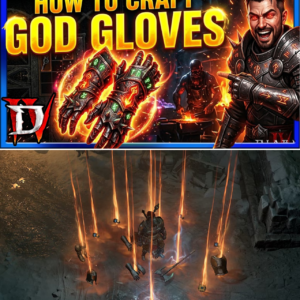
The Art of Perfection: Crafting Godly Gloves in Diablo 4: Lord of Hatred
Your gloves are TRASH—here is how to craft a Godly pair. 🧤 Still running around with mediocre stats on your gloves? You’re playing Diablo 4: Lord of Hatred on “Hard Mode” for no reason. The secret to hitting that perfect…
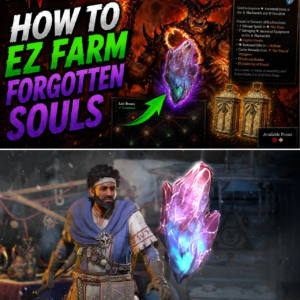
The Forgotten Soul Economy: How the Community is Breaking Diablo 4’s Crafting Loop
STOP wasting your time—this is the real secret to infinite Forgotten Souls! 💀 Ever wonder how the top players are crafting GG endgame gear while you’re still begging for materials? The secret isn’t in the Whispers anymore—those events are dead….

The Boroughs Season 2: Unresolved Glitches and the Future of Netflix’s Supernatural Hit
WAS THE ENDING JUST A GLITCH? 😱 THE BOROUGHS SEASON 2 THEORY THAT’S SHATTERING FANS! We thought the nightmare in The Boroughs was over, but that final scene just changed EVERYTHING. 🔍 Did Sam Cooper really win, or did he…

Sullivan’s Crossing Renewed for Season 5: Navigating New Heartbreak in Nova Scotia
MAGGIE SULLIVAN’S HEART IS SHATTERED! 💔 IS THIS THE END OF HER HAPPY ENDING? Just when we thought the drama in Sullivan’s Crossing couldn’t get any messier, the Season 5 renewal announcement dropped like a bombshell! 💣 The Season 4…

The Uncertain Future of Nemesis: Is a Season 2 Comeback on the Horizon?
IS NEMESIS SEASON 2 DEAD OR ALIVE? 🚨 THE TRUTH IS SHOCKING! The streets are talking, and fans of the hit crime thriller Nemesis are in a total frenzy! 🤯 We left Season 1 with Col Train Wilder on the…
End of content
No more pages to load