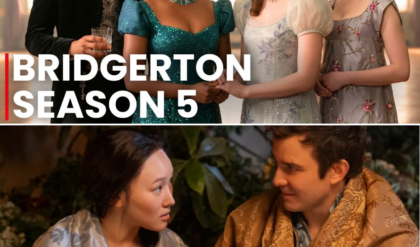
Bridgerton looks like the perfect Regency romance – glittering balls, swooning debutantes, and a diverse ton living in harmony… but is ANY of it actually historically accurate? The ironic truth will shock you! 😱👑
The show sells itself as a glamorous escape to 1810s London, complete with Queen Charlotte ruling the social scene, strict etiquette, and that cutthroat marriage market. Spoiler: the real Regency era had those elements… but the rest? Total fantasy! Diverse high society? Nope – racism and slavery were rampant, with almost no Black aristocrats in the ton. Queen Charlotte presiding over debutantes? Real queen, but she wasn’t Black (despite long-debated theories), and her real life was far less glamorous. Modern pop songs at balls? Corsets that magically vanish? Steamy sex scenes that would’ve ruined reputations in seconds? All pure Shondaland invention!
Yet shockingly, some parts nail it: the obsessive gossip columns (hello, real scandal sheets!), ambitious mamas pushing daughters into advantageous matches, and the brutal pressure of the Season. The irony? Bridgerton gets the soul of Regency drama right while flipping the historical script on its head for a more inclusive, escapist dream.
Want the full breakdown of what’s real, what’s wildly wrong, and why the show deliberately ditches accuracy for fantasy? Prepare to have your Regency illusions shattered (in the best way)! 👇
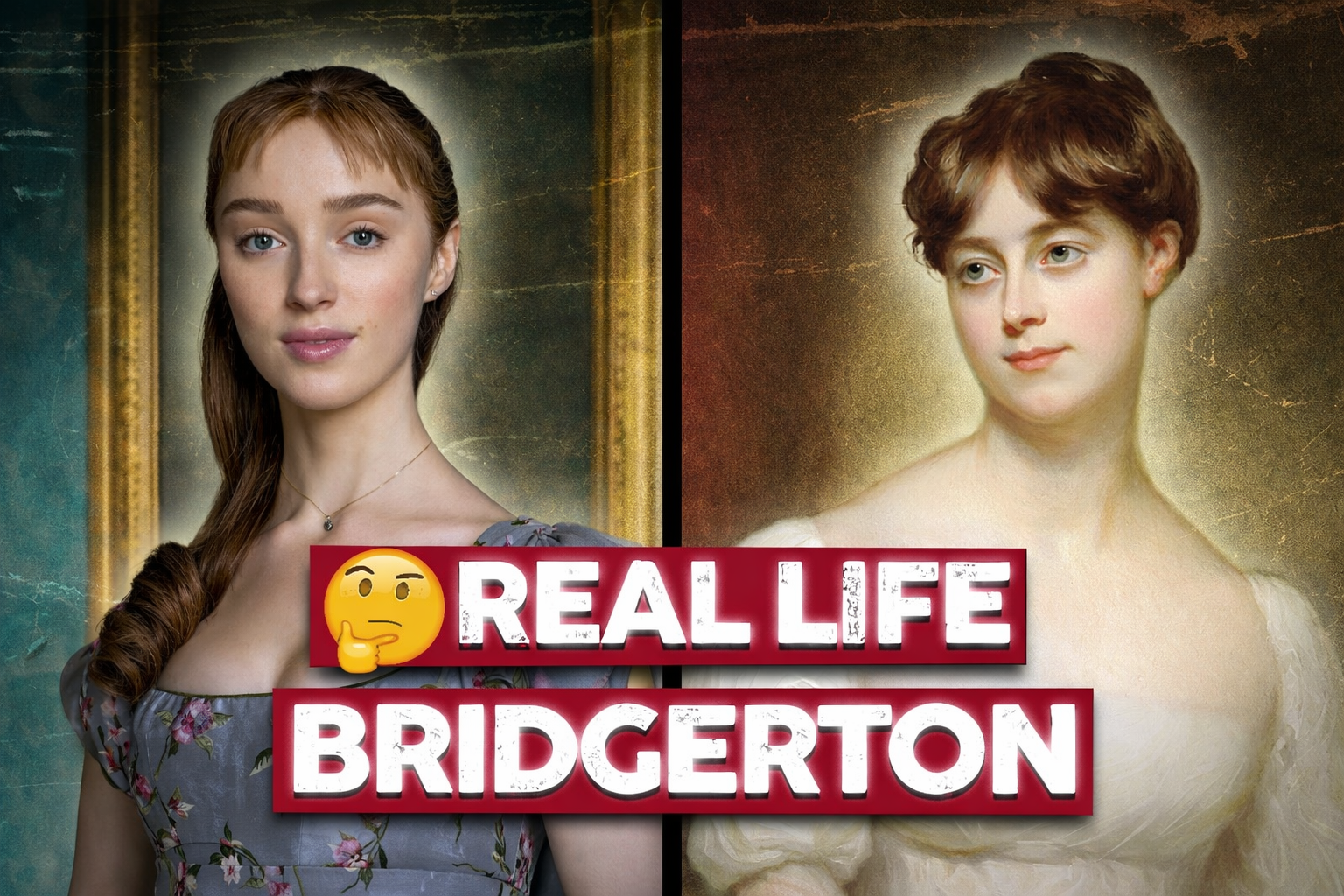
Since its 2020 debut, Bridgerton has become a cultural phenomenon, blending Regency-era romance with modern flair. The Netflix series, adapted from Julia Quinn’s novels, transports viewers to a glittering London ton filled with elaborate balls, scandalous gossip, and passionate courtships. Yet as Season 4 continues in 2026, debates rage: how much of this world reflects real history? The answer is layered—the show captures the essence of Regency social dynamics while deliberately departing from factual accuracy in ways that prioritize fantasy, diversity, and entertainment.
The Regency era, spanning 1811 to 1820 (when the Prince of Wales ruled as regent for his mentally ill father, King George III), was a time of opulence for the upper class. The London Season saw aristocratic families descend on the city from their country estates for a whirlwind of parties, Almack’s assemblies, and debutante presentations. Marriage was often strategic: young women, chaperoned rigorously, sought titled husbands to secure family fortunes and status. Ambitious mothers orchestrated matches, gossip fueled reputations, and etiquette governed every interaction. These core elements appear in Bridgerton—the competitive marriage market, strict social rules, and the pressure on debutantes mirror historical reality.
Queen Charlotte, a central figure, draws from a real monarch. Sophia Charlotte of Mecklenburg-Strelitz married George III in 1761 and became a fixture in society. She hosted events introducing eligible women and was known for matchmaking. Her husband’s mental decline, depicted poignantly in the show and its prequel Queen Charlotte: A Bridgerton Story, aligns with history—George suffered episodes of mania, leading to the Regency Act of 1811. The ton’s obsession with status, inheritance, and scandal sheets also rings true. Newspapers and pamphlets spread gossip about affairs and elopements, much like Lady Whistledown’s columns.
Fashion elements hold partial accuracy. The empire-waist gowns, high-waisted and flowing, defined Regency style, emphasizing natural silhouettes over restrictive Victorian corsets. Corsets in the show mimic half-corsets of the era, and hairstyles echo classical influences from the Napoleonic period. Sets capture the grandeur of Mayfair townhouses and country estates, though amplified for drama.
However, the ironic truth emerges in the show’s bold departures. Bridgerton is not historical fiction striving for precision—it’s alternate-history fantasy. Creator Shonda Rhimes and showrunner Chris Van Dusen embraced “color-conscious” casting, portraying a racially integrated aristocracy where Black and brown characters hold dukedoms, titles, and social power. This includes Simon Basset (Duke of Hastings), Lady Danbury, and Queen Charlotte herself, played by Golda Rosheuvel. In reality, Regency Britain was deeply stratified by race. Slavery persisted until 1833, and people of color faced severe discrimination. While some Black individuals achieved prominence—such as Ignatius Sancho, a writer and shopkeeper, or Dido Elizabeth Belle, an aristocrat’s ward—integrated high society was nonexistent. No evidence supports widespread Black nobility.
The theory that Queen Charlotte was Black stems from historian Mario de Valdes y Cocom’s 1997 claims of distant African ancestry via Portuguese lines. Some point to portraits showing “African features,” but most historians dismiss this as speculative; Charlotte’s lineage was too remote to manifest visibly, and contemporaries described her as fair-skinned. The show uses this ambiguity to justify its inclusive world, imagining Charlotte’s marriage as a catalyst for racial unity—a poignant “what if” but not historical fact.
Other inaccuracies abound. Modern pop songs (string covers of Taylor Swift or Ariana Grande) replace period music for accessibility, creating an anachronistic soundtrack. Sex scenes portray open passion that would have destroyed reputations—Regency society enforced chastity for women through chaperones and rigid morals. Premarital intimacy risked ruin via scandal or pregnancy. Men enjoyed more freedom, but even they faced consequences.
Costumes exaggerate for visual impact: bolder colors, elaborate fabrics, and gravity-defying hairstyles stray from subdued Regency palettes. Production errors, like modern props in early seasons, highlight the fantasy approach. The Grand Tour, duels, and inheritance rules draw loosely from history but bend for plot.
The show’s creators never claimed strict accuracy. Rhimes described it as “historical fan-fiction,” blending truth with invention. Historical advisor Hannah Greig helped ground elements like etiquette and fashion, but the goal was entertainment, not education. This mirrors Quinn’s novels—light, romantic escapism written in the 2000s, not scholarly texts.
The irony lies in what Bridgerton achieves despite inaccuracies. By reimagining the past inclusively, it critiques whitewashing in period dramas and offers representation absent from traditional depictions. The social season’s drama, class pressures, and romantic intrigue feel authentic because they echo real Regency tensions—ambition, reputation, and love amid constraint.
Critics argue the diverse casting whitewashes history’s darker aspects: colonialism, slavery, and exclusion. Yet supporters praise it for highlighting overlooked diversity (Black Britons existed, though marginalized) and prioritizing joy over grim realism. In a genre often dominated by homogeneous casts, Bridgerton refreshes the narrative.
Ultimately, Bridgerton succeeds not through accuracy but through emotional truth. It captures the Regency’s sparkle—the balls, courtship rituals, and societal games—while crafting a progressive fantasy. The shocking part? The show knows it’s not “real” history and embraces that freedom. Viewers seeking strict facts might turn elsewhere, but for those craving romance with a Regency twist, the ironic blend of truth and invention is precisely the appeal. In Bridgerton’s world, history bends to serve the story—and in doing so, it reveals more about our present desires than the past itself.
News

POWER, PRIVILEGE, AND PAIN: WHY ‘MAXTON HALL’ SEASON 3 IS THE ULTIMATE TEST FOR RUBY AND JAMES
THE BELL-BEAUFORT DYNASTY IS CRUMBLING! 🏰 The Maxton Hall Season 3 “Official Trailer” just dropped and it’s pure emotional warfare! Ruby and James thought they survived the worst, but the “Official” look at Season 2’s aftermath just revealed a secret…
SIRENS OF RAYBURN: HOW ‘ZOMBIES 5’ IS REINVENTING THE DISNEY MUSICAL FORMULA
SOMETHING IS IN THE WATER! 🧜♀️ The Zombies 5 “Mermaids” Teaser just dropped and Rayburn will never be the same! Forget the woods, the real danger is coming from the deep! The “First Look” at Zombies 5: Secrets of the…

BEYOND THE WEDDING: ‘VIRGIN RIVER’ SEASON 8 AND THE SHOCKING REVELATIONS THREATENING THE TOWN’S PEACE
THE SECRET MEL AND JACK NEVER SAW COMING! 🌸 The Virgin River Season 8 “First Look” just changed the game forever! Is the peaceful life in the Redwood Forest about to be shattered? After the emotional rollercoaster of the wedding,…
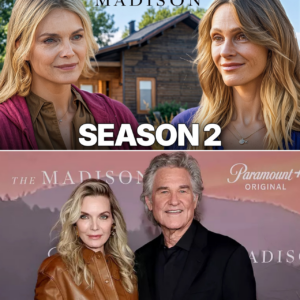
BEYOND GRIEF: ‘THE MADISON’ SEASON 2 REVEALS A DARKER SIDE OF THE MONTANA SKYLINE
NEW YORK LUXURY MEETS MONTANA GRIT! 🏔️ The Madison Season 2 trailer just dropped, and the Clyburn family’s “healing journey” just took a deadly turn! Wait… did we just see a ghost? The Season 2 teaser for Taylor Sheridan’s “The…
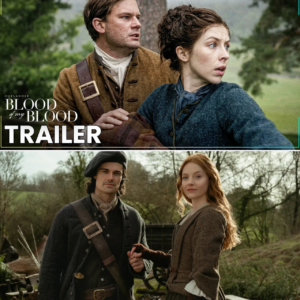
A TIME-TRAVELING TURMOIL: HOW ‘BLOOD OF MY BLOOD’ SEASON 2 IS REWRITING THE OUTLANDER GENEALOGY
THE STONES HAVE SPOKEN! 🪨 The Blood of My Blood Season 2 trailer just shattered every fan theory in the Outlander universe! Wait… did the gemstones just fail at the worst possible moment? The Season 1 cliffhanger left Henry and…
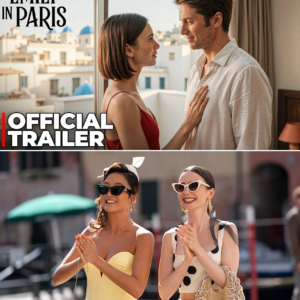
GREEK TRAGEDY OR MEDITERRANEAN MAGIC? INSIDE THE ‘EMILY IN PARIS’ SEASON 6 TRAILER BOMBSHELL
AU REVOIR PARIS, CIAO ROMA… HELLO GREECE?! 🇬🇷 The Emily in Paris Season 6 Trailer just leaked and it’s absolute chaos! Is Emily Cooper finally trading her croissants for souvlaki, or is this the ultimate betrayal of the show’s very…
End of content
No more pages to load