Mind officially BLOWN! 🤯 Netflix just dropped a 5-part psychological thriller masterpiece that’s being hailed as ONE OF ITS ALL-TIME BEST—and it’s not even new… but it’s hitting harder than ever right now!
This isn’t your typical cat-and-mouse game. It’s a chilling, obsessive descent into stalking, murder, and twisted romance where the killer narrates his own crimes like a twisted love letter. Every season reinvents the nightmare, ramping up the shocks, body count, and moral gray areas until you’re questioning everything—including why you’re rooting for the bad guy.
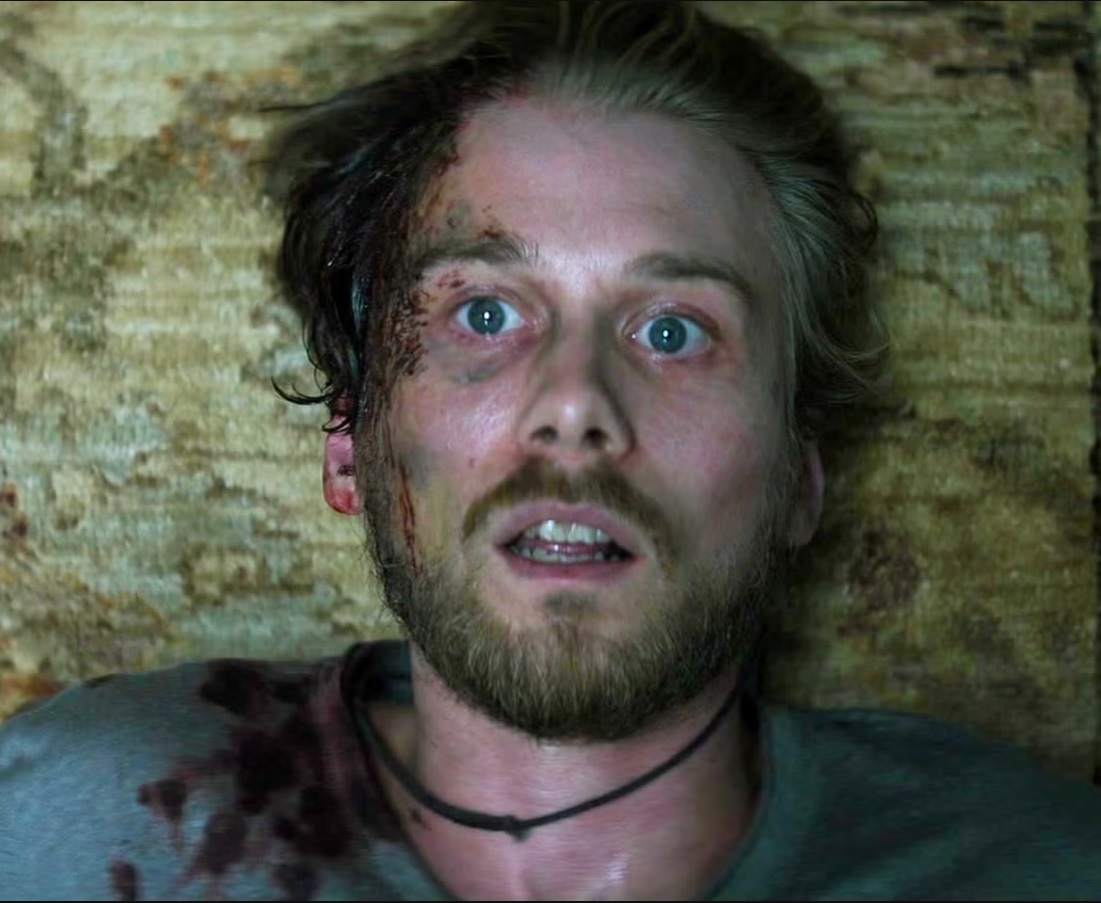
Netflix’s long-running series You has solidified its place as one of the platform’s most compelling psychological thrillers, spanning five seasons from 2018 to 2025. The show, based on Caroline Kepnes’ novels, follows Joe Goldberg (Penn Badgley), a charming but dangerously obsessive bookstore manager who inserts himself into the lives of women he fixates on, often with deadly consequences. What began as a Lifetime series before moving to Netflix has evolved into a cultural phenomenon, blending dark humor, social commentary, and relentless suspense.
The series concluded its run in 2025 with a fifth and final season, delivering closure to Joe’s arc while maintaining the high-stakes twists that defined earlier entries. Recent headlines from outlets like Screen Rant have revisited You as a “5-part masterpiece” and one of Netflix’s best offerings, highlighting its enduring appeal even after the finale. With strong Rotten Tomatoes scores across seasons—94% for Season 1, 89% for Season 2, 93% for Season 3, 92% for Season 4, and 79% for the concluding Season 5—the show has consistently earned critical praise for its bold storytelling and character depth.
You stands out in Netflix’s crowded thriller lineup by centering on an unreliable narrator whose inner monologue drives the plot. Joe’s voiceover confessions reveal his justifications for stalking, manipulation, and murder, forcing viewers into an uncomfortable complicity. This device, drawn directly from Kepnes’ books, creates a unique tension: audiences are privy to Joe’s warped logic while witnessing the devastation he causes. The series explores themes of toxic masculinity, social media obsession, privilege, and the illusion of romance in the digital age.
Season 1 introduced Joe in New York City, where he becomes fixated on aspiring writer Guinevere Beck (Elizabeth Lail). The season’s success lay in its fresh take on the stalker genre, turning the predator into a seemingly relatable protagonist. Badgley’s performance—equal parts charismatic and unsettling—earned widespread acclaim, helping the show transition to Netflix for Season 2. Critics noted the sharp dialogue and escalating stakes, with the season earning a 94% critic score on Rotten Tomatoes.
In Season 2, Joe relocates to Los Angeles under a new identity, pursuing Love Quinn (Victoria Pedretti), a fellow bookstore employee with her own dark secrets. The shift in setting allowed the series to reinvent itself, introducing new supporting characters and deeper commentary on celebrity culture and social climbing. Pedretti’s portrayal of Love added layers of complexity, turning the dynamic into a twisted mirror of Joe’s obsessions. The season maintained momentum with shocking reveals and a finale that upended expectations.
Season 3 moved to the suburbs, where Joe and Love attempt a “normal” life as a married couple with a child. The domestic setting amplified the psychological horror, examining marriage, parenthood, and repressed rage. Critics praised the show’s ability to evolve without losing its core identity, with episodes delving into mutual toxicity between the leads. The season’s 93% score reflected approval for its bold risks and strong performances.
Season 4 took Joe to London, where he poses as a professor while evading his past. The season introduced a whodunit element, with Joe targeted by a mysterious killer dubbed the “Eat the Rich” murderer. This pivot to a more ensemble-driven mystery broadened the appeal, incorporating class satire and British aristocracy. Badgley’s ability to portray Joe’s fractured psyche remained a highlight, earning the season a 92% rating.
The final Season 5, released in 2025, brought Joe full circle back to New York, confronting the consequences of his actions in a high-profile reckoning. Without spoiling major plot points, the season tied up loose ends while delivering the signature twists and moral ambiguity fans expected. Though its 79% score was slightly lower than predecessors, it was lauded for providing satisfying closure and maintaining the show’s addictive quality.
You‘s success stems from its willingness to subvert expectations. Each season refreshes the formula—new cities, new love interests, new societal critiques—preventing repetition. The show critiques modern dating, influencer culture, and performative virtue, often through Joe’s hypocritical lens. Badgley’s nuanced performance has been central: he makes Joe both monstrous and pitiful, eliciting conflicting emotions from viewers.
The series has also influenced broader streaming trends. Its blend of romance, crime, and psychological depth paved the way for similar shows exploring flawed protagonists. Netflix’s investment paid off, with You consistently ranking high on viewership charts during new seasons and maintaining strong rewatch numbers.
Post-finale, the show has seen renewed interest in early 2026. Discussions on platforms like Threads and Facebook highlight its bingeability and rewatch value, with fans praising how it “gets better with time.” Unlike many limited series, You‘s multi-season format allowed character growth and world expansion, contributing to its status as a “masterpiece” in some analyses.
Badgley, previously known for Gossip Girl, transformed his image through the role, earning praise for handling sensitive material responsibly while delivering compelling television. Supporting casts—including Pedretti, Saffron Burrows, Tati Gabrielle, and Charlotte Ritchie—added depth, with many actors gaining visibility from their turns.
Critically, You has been compared to predecessors like Dexter for its antihero focus, but it distinguishes itself with sharper social commentary and less reliance on procedural elements. Audience reception remains strong, with the series often recommended for thriller enthusiasts seeking something darker and more introspective.
As Netflix continues to dominate with thrillers—from limited series like His & Hers to ongoing hits—the legacy of You endures. Its five-season run demonstrated how a single compelling premise can sustain high-quality storytelling over years. For viewers discovering it now or revisiting old episodes, You offers a gripping, unsettling look at obsession that feels eerily relevant in an interconnected world.
Whether viewed as a cautionary tale or dark entertainment, the series remains one of Netflix’s standout achievements in the psychological thriller space—a binge-worthy saga that continues to captivate long after the credits roll.
News

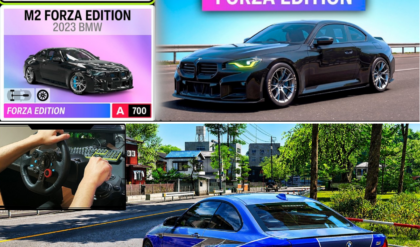
The Hunt for Excellence: How to Secure the BMW M2 Forza Edition in Forza Horizon 6
THE BMW M2 FORZA EDITION IS HERE—BUT HOW DO YOU ACTUALLY GET IT? 🏎️🔥 Everyone wants the BMW M2 Forza Edition. It’s the ultimate grip machine, and for a good reason—it’s currently one of the most exclusive cars in Forza…
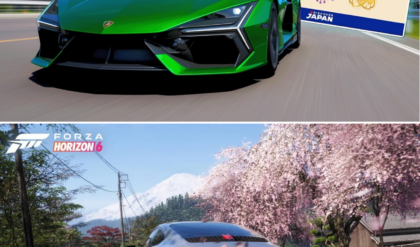
The Gold Standard: How to Rapidly Progress Through the “Discover Japan” Series
WANT THE GOLD STAMP? STOP GRINDING RACES AND DO THIS INSTEAD! 🏆🇯🇵 Are you still stuck on the “Pink” or “Orange” Stamp tier in Forza Horizon 6? You’re playing it wrong. The road to the Gold Stamp isn’t just about…
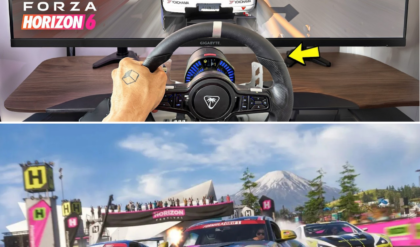
The Wheel Revolution: Why Forza Horizon 6 is Finally a Sim-Racer’s Playground
IS THE “WHEEL CURSE” FINALLY BROKEN IN FORZA HORIZON 6? 🏎️🎮 For years, Forza was a “controller-only” game. Using a wheel felt like fighting a losing battle against the physics engine—but everything changed with the launch of Forza Horizon 6….

Speed Demon or System Cheat? The Forza Horizon 6 Leaderboard Controversy
IS THIS THE END OF FAIR PLAY? THE 100,000 KM/H SPEED GLITCH! 🛑🏎️ If you’ve checked the Forza Horizon 6 leaderboards recently, you’ve probably seen the impossible: players hitting speeds of over 100,000 km/h on simple speed traps. No, it’s…
Beyond the Limit: Mastering Top Speed and Drag Tunes in Forza Horizon 6
IS YOUR CAR HITTING THE “SPEED WALL”? 🚀💨 Stop guessing your gear ratios and tire pressure! If you’re still losing drag races by a bumper or struggling to break 300 MPH on the highway, it’s not just your car—it’s your…
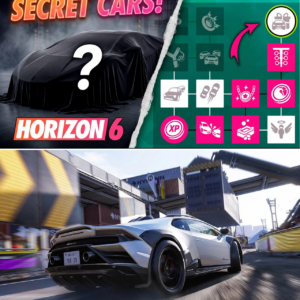
The Secret Garage: Unlocking Forza Horizon 6’s Hidden Mastery Exclusives
STOP SLEEPING ON YOUR CAR MASTERY TREES! 😱🚗 Did you know there are “secret” cars hidden inside Forza Horizon 6 that you can’t buy at the Auto Show? Most players are burning through Skill Points on boring credit boosts, completely…
End of content
No more pages to load