Why Prince Baelor Targaryen Takes Dunk’s Side in ‘A Knight of the Seven Kingdoms’ – The Shocking Decision Explained
🚨 MIND-BLOWING BETRAYAL in A Knight of the Seven Kingdoms Episode 4: Prince Baelor Targaryen Just Turned on His OWN FAMILY for a Random Hedge Knight?! 😱🛡️
The heir to the Iron Throne, Hand of the King, the legendary “Breakspear”… rides straight into the Trial of Seven arena and declares: “I will take Ser Duncan’s side.”
Against his brother Maekar. Against his nephews Aerion and Daeron. For a lowborn nobody accused of assaulting a prince.
Fans are exploding: Is Baelor the last good Targaryen? Does this doom him in the books’ brutal twist? The gods decide the trial, but this choice could change Westeros forever. 👉
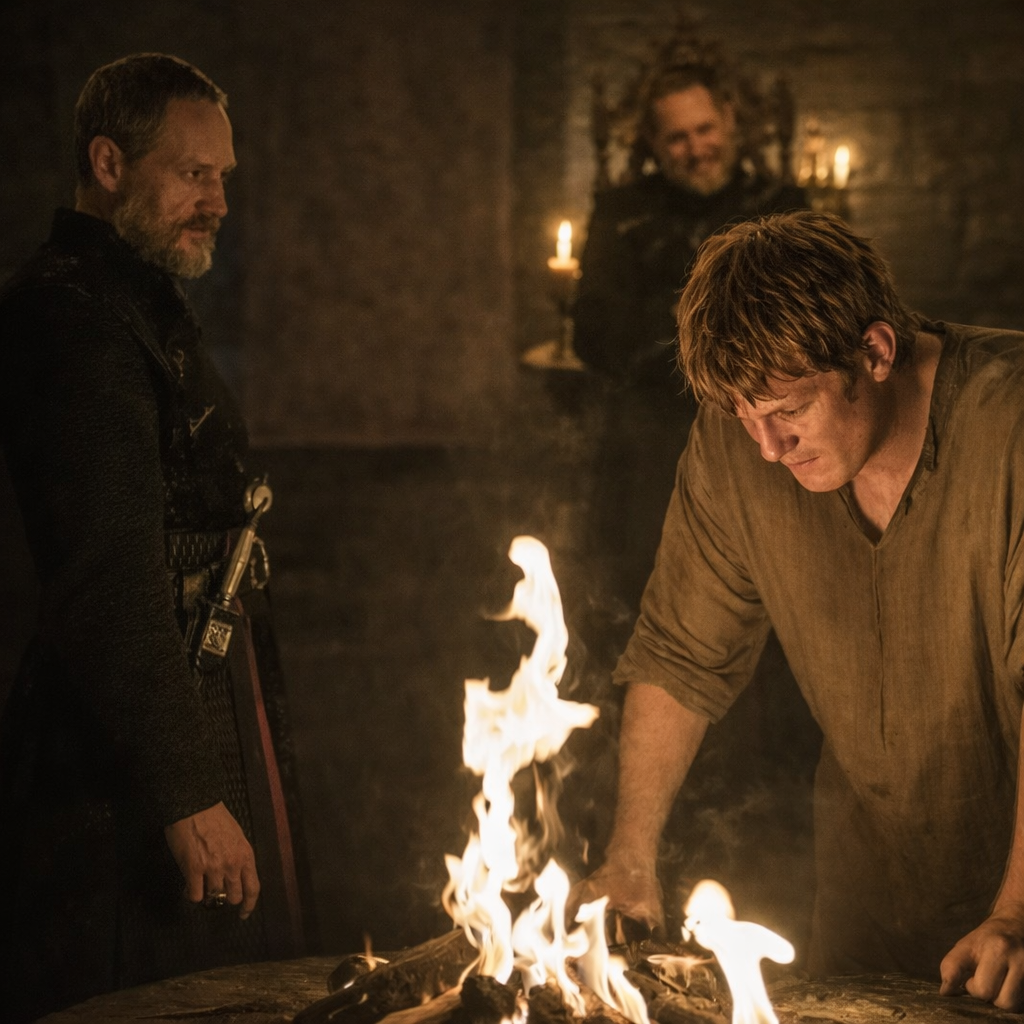
HBO’s “A Knight of the Seven Kingdoms” delivered one of its most electrifying moments yet in Episode 4, “Seven.” As Ser Duncan the Tall faces almost certain death after demanding a Trial of Seven to prove his innocence, the arena falls silent following his desperate plea: “Are there no true knights among you?” Just when hope seems lost, the doors burst open, and Prince Baelor Targaryen – heir to the Iron Throne, Hand of the King, and known as “Breakspear” – rides in on horseback to declare he will fight on Dunk’s side.
The decision stuns everyone, including Dunk, the crowd, and Baelor’s own family members on the opposing team: his brother Prince Maekar and nephews Prince Aerion and Prince Daeron. Baelor, the most powerful man in the realm short of the king himself, chooses to stand with a hedge knight accused of striking a Targaryen prince over the fate of a lowborn puppeteer. Why would the future king risk his life, reputation, and family ties for a stranger?
In the episode, Baelor states his reason plainly: “This man protected the innocent, as every true knight must. Let the gods decide if he was right or wrong.” Actor Bertie Carvel, who plays Baelor, described the choice as “a question of decency” in interviews. Baelor sees Dunk’s actions – intervening when Aerion cruelly burned Tanselle Too-Tall’s puppet show and threatened her – as the embodiment of knighthood’s core vow: to defend the weak and innocent. Dunk, despite his humble origins and questionable claims to the title “Ser,” acts more honorably than the highborn prince abusing his power.
This aligns with George R.R. Martin’s source material, “The Hedge Knight,” where Baelor similarly volunteers as Dunk’s seventh champion. The novella portrays Baelor as one of the rare “good” Targaryens – wise, just, and beloved by lords and smallfolk alike. In an era without dragons, following the devastating Dance of the Dragons and amid lingering tensions from the Blackfyre Rebellions, House Targaryen relies on diplomacy and public perception rather than overwhelming force. Baelor’s decision reinforces the family’s commitment to justice, countering Aerion’s arrogance and potential to incite resentment among the nobility and common people.
Some analyses suggest deeper political calculation. By siding with Dunk, Baelor diffuses a brewing crisis. Aerion’s demand for a Trial of Seven – a rare and dramatic escalation – draws knights like Lyonel Baratheon and others to Dunk’s side, partly out of genuine honor but also as subtle defiance against Targaryen overreach. Had Baelor stayed neutral or supported his kin, the trial could have become a symbol of royal tyranny, fueling unrest. Instead, his participation legitimizes the process, shows the crown values fairness, and positions him as a champion of the people. If Dunk’s side wins, Baelor shares the glory; if they lose, he dies a martyr for justice, bolstering Targaryen sympathy.
The show emphasizes Baelor’s character through earlier scenes. He corrects Dunk’s lance count during the tourney melee with gentle accuracy, demonstrating his attention to truth and detail. When interrogating Dunk in prison, he listens fairly and defends Egg (revealed as young Prince Aegon) when Dunk speaks up for the boy. These moments build Baelor as a leader who prioritizes morality over blind family loyalty – a stark contrast to Aerion’s entitlement or Maekar’s stern pragmatism.
Fans and critics have praised the scene’s execution. The swelling use of the iconic “Game of Thrones” theme as Baelor rides in amplifies the heroism, turning a small-scale dispute into a defining moment of chivalry. It echoes classic Westerosi themes: true knighthood isn’t about birthright or titles but actions. Dunk, the lowborn fighter, inspires the realm’s highest prince to live up to the ideal.
Yet the choice carries heavy foreshadowing. In Martin’s books, Baelor’s involvement in the Trial of Seven leads to his tragic death from a head wound, crushed under his own horse amid the chaos. The event devastates Dunk and sets off further turmoil in House Targaryen, contributing to Maekar’s eventual ascension and the Blackfyre conflicts. The show, faithful so far, hints at this fate without spoiling it outright, building tension for future episodes.
Baelor’s stand also highlights broader questions in Martin’s universe. In a world of corrupt lords and power-hungry nobles, who truly upholds the knightly code? Dunk’s defense of Tanselle exposes Aerion’s cruelty, but Baelor’s support elevates the incident from personal grudge to moral reckoning. It challenges viewers to consider whether honor can survive in politics – and what price the honorable pay.
As the Trial of Seven approaches, all eyes are on the battlefield. With champions like Baelor, Lyonel Baratheon, and the Humfreys on Dunk’s side facing Aerion’s formidable lineup, the outcome remains uncertain. But Baelor’s decision has already shifted perceptions: a hedge knight now fights with royal backing, proving that right can sometimes outweigh might – at least until the swords clash.
Whether driven by pure decency, strategic foresight, or both, Prince Baelor Targaryen’s choice in Episode 4 stands as one of the series’ most powerful declarations of principle. In defending Dunk, he defends the idea that even in Westeros, justice and honor can prevail – if enough people are willing to risk everything for them.