🚨 ONE HIDDEN CONNECTION IN A KNIGHT OF THE SEVEN KINGDOMS WILL MAKE YOU RETHINK EVERYTHING ABOUT BAELOR BREAKSPEAR… 😱🐉
Baelor Targaryen – the selfless prince who risked (and lost) his life defending a random hedge knight in the bloodiest Trial of Seven Westeros has ever seen.
Oberyn Martell – the vengeful Red Viper who stepped into a trial by combat to fight for a man everyone else had already condemned.
They seem worlds apart. One is the golden heir, the other the exiled prince of revenge.
But what if the same blood runs through both? What if both men share the exact same reason for throwing themselves into impossible fights? And what if both end up dying in the exact same brutal, chaotic way… inside the very combats they chose to join?
There’s one quiet detail about their shared heritage that ties their fates together like a noose – and once you see it, you can’t unsee how George R.R. Martin has been planting the same tragedy across centuries.
No full spoilers here. Just this: the moment Baelor steps out of the shadows at Ashford Meadow starts to feel eerily like Oberyn striding into the Red Keep arena… and the ending hits even harder.
Ready to have your mind twisted?
[LINK TO THE FULL EXPLANATION – CLICK ONLY IF YOU’VE SEEN EVERYTHING] 👇
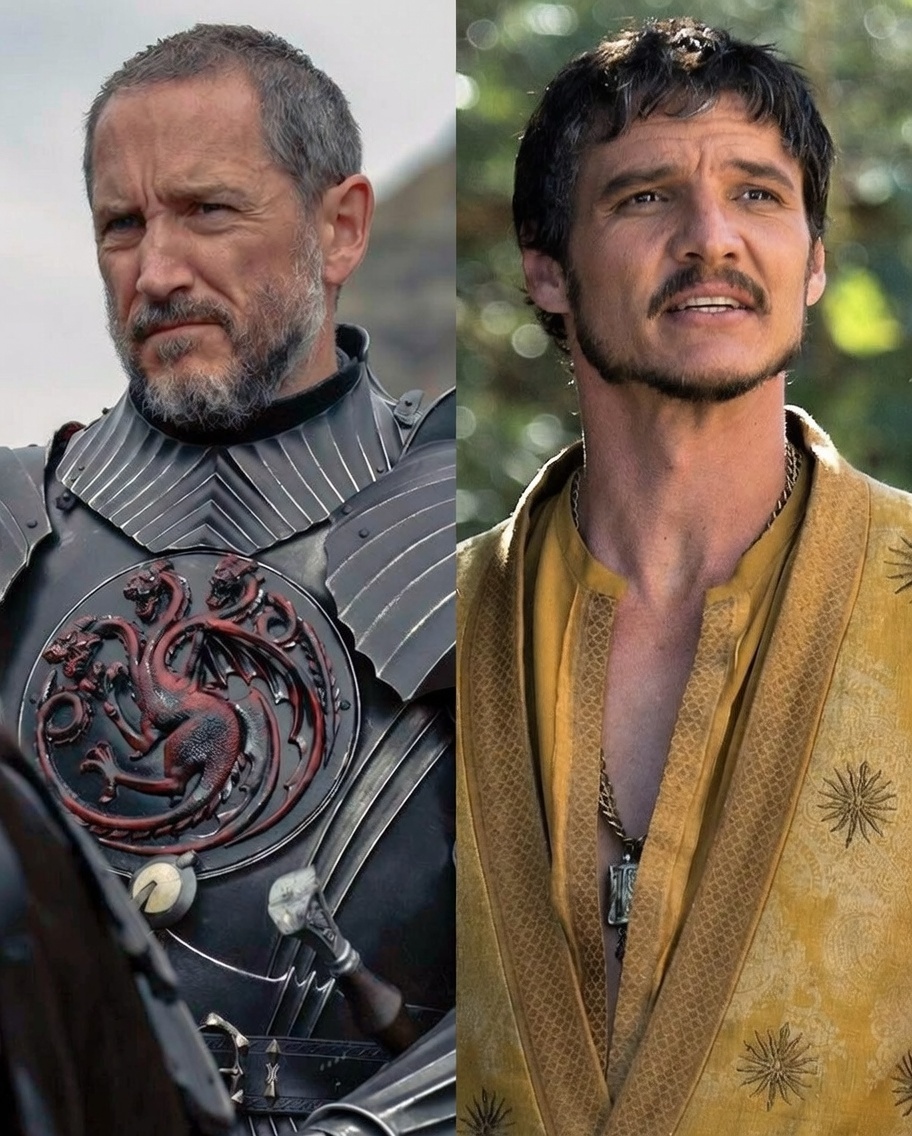
In the vast tapestry of George R.R. Martin’s A Song of Ice and Fire, few character parallels resonate as powerfully as that between Prince Baelor “Breakspear” Targaryen from The Hedge Knight (adapted in HBO’s A Knight of the Seven Kingdoms) and Prince Oberyn “the Red Viper” Martell from A Storm of Swords (portrayed by Pedro Pascal in Game of Thrones). On the surface, one is a noble Targaryen prince of the early 200s AC, heir to the Iron Throne and paragon of chivalry; the other is a hot-blooded Dornish warrior from the late 290s AC, driven by vengeance and sensuality. Yet beneath these differences lies a web of striking similarities – in heritage, personality, actions, and tragic fates – that fans and analysts have increasingly highlighted as deliberate echoes by Martin.
The most immediate link is blood: Baelor Targaryen was the eldest son of King Daeron II Targaryen and Queen Myriah Martell, making him half-Dornish through his mother. Myriah, sister to Prince Maron Martell, represented the peaceful integration of Dorne into the Seven Kingdoms via marriage. Baelor’s dark hair and eyes – described as making him look “more Martell than Targaryen” – set him apart from the classic silver-haired Valyrian look. This Dornish heritage infused him with traits often associated with House Martell: a fierce sense of justice, independence, and willingness to champion the vulnerable against the powerful.
Oberyn Martell, born centuries later, embodies those same Dornish qualities amplified. As brother to Doran Martell, Prince of Dorne, Oberyn’s life was defined by passion, combat prowess, and an unyielding pursuit of what he saw as right – whether avenging his sister Elia or defending Tyrion Lannister. The shared Martell bloodline creates a direct ancestral tie: Baelor’s mother Myriah was Oberyn’s great-great-aunt or similar relation through the Martell line, meaning Oberyn carries echoes of the same fiery spirit that shaped Baelor.
Both princes are renowned as exceptional warriors and champions who step into trial-by-combat scenarios to defend the defenseless. In The Hedge Knight, Baelor – already Hand of the King and heir apparent – anonymously dons armor (his son Valarr’s) to join Ser Duncan the Tall’s side in the Trial of Seven at Ashford Meadow. Dunk, a hedge knight accused of striking Prince Aerion Targaryen while protecting a puppeteer, faces impossible odds against royal champions. Baelor’s decision is pure: he believes in justice over status, risking (and ultimately losing) his life because “this man protected the innocent, as every true knight must.” His mace-wielding ferocity in the melee earns him posthumous praise as “the prince with the broken nose” and one of Westeros’ finest knights.
Centuries later, Oberyn volunteers as Tyrion Lannister’s champion in his trial by combat against Ser Gregor Clegane. Tyrion, falsely accused of Joffrey’s murder, faces execution without a fair defense. Oberyn’s motive blends personal vendetta (Gregor raped and murdered Elia) with genuine belief in Tyrion’s innocence. Like Baelor, he fights not for personal gain but to right a wrong, showcasing Dornish honor in a realm dominated by Lannister and Tyrell scheming. Both choose the underdog in high-stakes judicial combats where the powerful hold all advantages.
Their combat styles and reputations overlap too. Baelor earned “Breakspear” by unhorsing Daemon Blackfyre in a tourney and “the Hammer” for his mace work at Redgrass Field. Oberyn’s spear mastery and flashy, agile technique make him deadly. Both are charismatic, respected across the realm for skill and principle – Baelor as a potential “greatest king” who never ruled, Oberyn as the charismatic Red Viper whose death shocks Westeros.
Tragically, both meet ironic, violent ends in the very melees they enter for justice. Baelor dies from wounds sustained in the Trial of Seven – possibly from his brother Maekar’s mace in the chaos – a sacrificial death that destabilizes the Targaryen line and contributes to future rebellions. Oberyn perishes gruesomely when, overconfident in his quest for confession and vengeance, Gregor crushes his skull despite Oberyn’s near-victory. In both cases, honorable intent collides with brutal reality: justice demands sacrifice, and the honorable often pay the highest price.
Fan discussions, especially post-A Knight of the Seven Kingdoms premiere, emphasize the cinematic déjà vu. Baelor’s dramatic entrance to aid Dunk mirrors Oberyn’s swaggering challenge to Gregor – both volunteer unexpectedly, both fight with passion, both die in the fray. Martin seems to use these parallels to underscore recurring themes: the rarity of true honor in Westeros, the cost of standing for justice, and how Dornish influence tempers Targaryen fire into something principled rather than destructive.
Baelor represents what Targaryens could be with Martell virtues – diplomatic, just, brave. Oberyn shows those virtues persisting in Dorne, fierce and unbowed. Their connection isn’t just blood; it’s a thematic bridge across eras, reminding readers that nobility and tragedy are intertwined in Martin’s world.
As A Knight of the Seven Kingdoms explores Baelor’s era and House of the Dragon echoes Targaryen cycles, these parallels deepen the tragedy: two princes cut from similar cloth, both champions of the weak, both lost too soon to the realm’s cruelty.
News

Beauty in Black Season 3: The End of an Empire and the Rise of a New Order
THE BELLERY EMPIRE IS OFFICIALLY CRUMBLING! 😱 Is Season 3 the Final Stand? If you thought the Season 2 finale was “wild,” you clearly weren’t ready for the absolute CHAOS of that boardroom coup! ♟️ The Belleries are in cuffs,…

The Future of ‘Nemesis’: Will the High-Stakes Crime Thriller Return for Season 2?
IS NEMESIS SEASON 2 FINALLY HAPPENING? The Truth Behind the Netflix Cliffhanger! 🚨 The cat-and-mouse game between Isaiah Styles and Culin Wilder left us ALL in shock—and the internet is officially LOSING IT. 📉 While Netflix is playing coy with…

The Outlander Conundrum: Does the Season 8 Finale Secretly Tease a Feature Film?
IS THIS THE END OF JAMIE AND CLAIRE? The Outlander Finale Secret You Missed! 😱 The credits rolled on Outlander Season 8, but the internet is absolutely SCREAMING. 🗣️ While everyone is debating that “dead or alive” cliffhanger, a massive…

Why ‘The Night Manager’ Remains the Gold Standard of Modern Espionage Thrillers
🚨 THE SPY THRILLER EVERYONE IS OBSESSED WITH IS BACK FROM THE DEAD! 🚨 Forget the flashy gadgets—this is the most “dangerously addictive” game of cat-and-mouse ever filmed, and it’s officially sweeping the charts again! 🌎 Tom Hiddleston and Olivia…
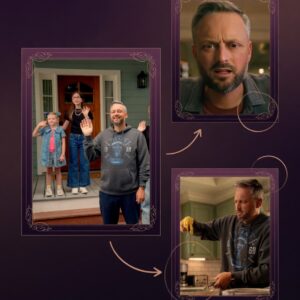
Nate Bargatze and Mandy Moore’s ‘Solo Act’ Hits Home: Why Parents Can’t Stop Watching This New Comedy
🚨 PARENTING LEVEL: CATASTROPHIC! 🚨 We’ve all seen the “super-dad” tropes, but this is the first time a show has dared to show what actually happens when the “Perfect Dad” is left home alone for 72 hours. 😱 Nate Bargatze…

The ‘Man on Fire’ Phenomenon: Why Netflix’s Newest Crime Saga Is Keeping Millions Awake
🚨 FORGET EVERYTHING YOU’RE WATCHING. THE DARKEST THRILLER ON NETFLIX JUST DROPPED AND THE INTERNET IS LOSING ITS MIND! 🚨 If you think you know “revenge,” you’ve seen nothing yet. This isn’t just a crime drama—it’s a psychological descent into…
End of content
No more pages to load