🚨 BAELOR LOOKED FINE AFTER THE TRIAL… Until the Helmet Came Off! 😱 Is This Medieval Head Wound Realism or Just HBO Drama?!
Prince Baelor Breakspear walks up to Dunk post-battle, chatting calmly, offering praise like the perfect knight he is. No staggering, no blood pouring out—just a guy who’s tired but alive. Then helpers remove his dented helmet… and BAM, he’s GONE!
“How was he even conscious?!”, “Is this actually possible in real medieval warfare, or exaggerated for shock value?”. Many fans are now confused.
The truth behind this gut-wrenching scene will change how you see armored combat forever 👇🔥
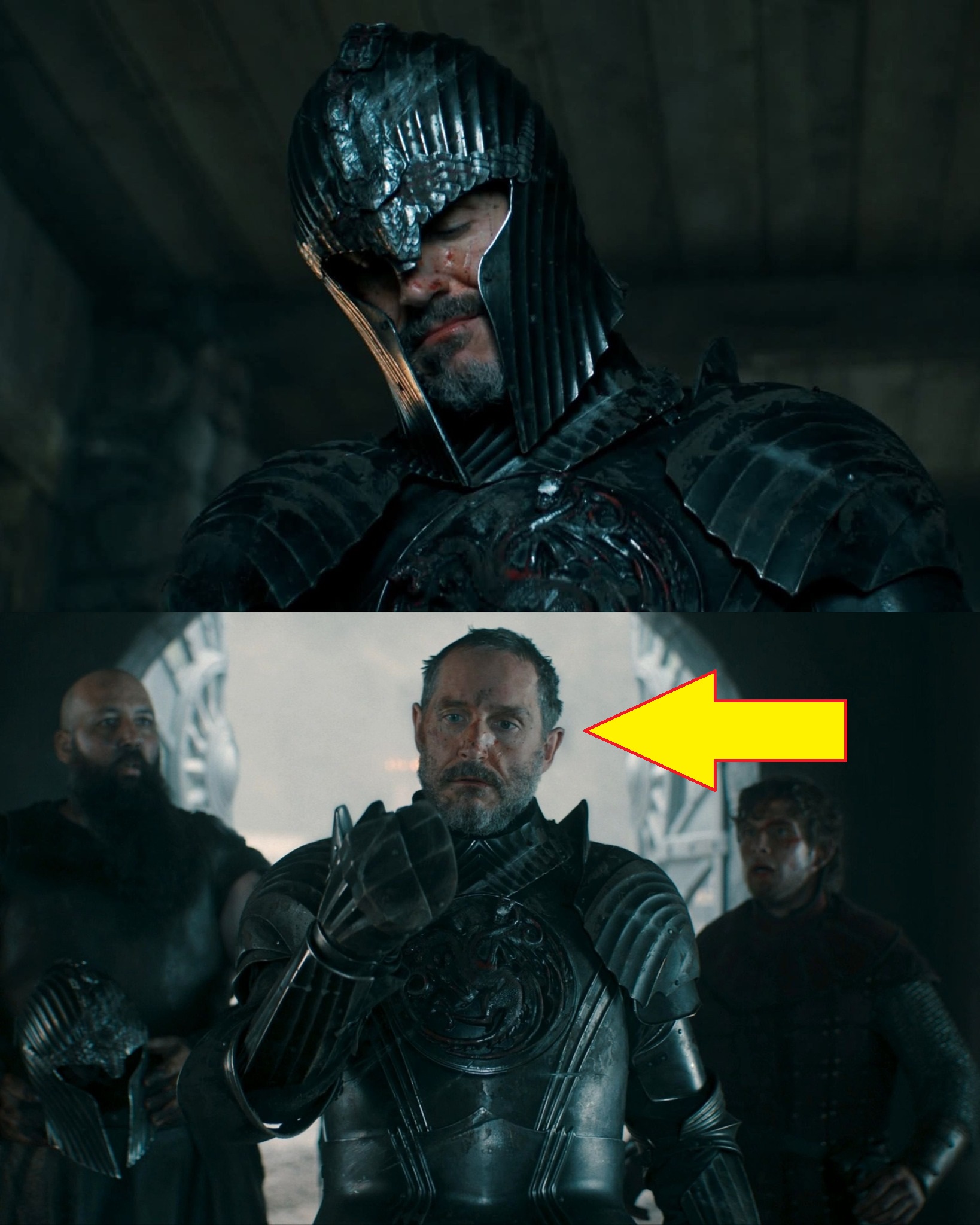
In the closing moments of A Knight of the Seven Kingdoms Season 1, Episode 5 (“In the Name of the Mother”), Prince Baelor Targaryen, the honorable heir to the Iron Throne and one of Ser Duncan the Tall’s champions in the Trial of Seven, meets a shocking end. After the trial concludes with Dunk’s victory over Prince Aerion, Baelor approaches the wounded hedge knight to commend his bravery. He speaks coherently, albeit with slight slurring, and even jokes about his brother’s strength before requesting help removing his helmet due to discomfort from a dented section. When the helm is lifted, the back of his skull is revealed as crushed, with brain matter exposed. Baelor collapses immediately into Dunk’s arms and dies.
This sequence, adapted faithfully from George R.R. Martin’s novella “The Hedge Knight,” has prompted questions from viewers: How could Baelor appear relatively fine—walking, talking, and interacting—until the helmet was removed? Is the idea that the helmet “held his skull together” realistic in the context of medieval warfare, particularly from a mace blow?
Showrunner Ira Parker addressed the scene directly in interviews, describing it as intentionally brutal. “The situation with Baelor is that his life is being held together by the fact that he has his helmet on. He’s already a dead man, he just doesn’t realize it yet,” Parker told outlets like the New York Post. “When that helmet comes off and he dies right there, it’s the most brutal type of death.” The explanation ties into the injury’s mechanics: a powerful mace strike from Prince Maekar during the chaotic melee dented and crushed the helmet inward at the rear, fracturing the skull beneath. The pressure from the deformed armor apparently stabilized the wound temporarily, preventing immediate catastrophic brain herniation or massive bleeding. Removing the helm released that pressure, allowing the damaged brain to shift fatally.
Medieval combat experts and historical analyses offer mixed but informative perspectives on such delayed fatal head injuries. Blunt force trauma from maces—designed to crush armor and cause concussive damage without necessarily penetrating—was common in armored warfare. Archaeological evidence from battle sites like Towton (1461) shows numerous skull fractures, many from blunt weapons, with some victims surviving initial blows long enough to continue fighting before succumbing. Studies of medieval skeletons reveal that head wounds often targeted the helmeted cranium, and while many were instantly fatal, others allowed brief functionality.
In cases of severe skull depression fractures—where bone fragments are driven inward—pressure from surrounding structures or external forces can sometimes delay full collapse. Historical accounts and modern forensic reconstructions suggest that if a helmet is deformed inward but remains clamped tightly, it might act as an impromptu brace, containing swelling or preventing immediate extrusion of brain tissue. Removal disrupts this fragile equilibrium, leading to rapid deterioration. Neurosurgical parallels from later eras, such as World War I helmet studies, show that even basic metal headgear could mitigate some blunt trauma by distributing force, though severe impacts still caused delayed symptoms like confusion or collapse.
However, experts caution that the show’s depiction stretches plausibility for dramatic effect. Severe occipital (rear skull) fractures from a mace typically cause immediate neurological impairment—loss of consciousness, motor function issues, or vomiting—due to brainstem involvement or rapid intracranial pressure spikes. Baelor’s ability to converse lucidly minutes after the blow, with only mild symptoms like numb fingers and slurred speech, aligns more with milder concussions than catastrophic skull destruction. Forensic pathology notes that exposed brain matter post-trauma usually signals unsurvivable injury, with death following quickly from hemorrhage, infection, or herniation.
The helmet’s role as a “life clamp” draws from real phenomena where armor or bandages temporarily stabilize wounds. In medieval medical texts, such as those by surgeons like Berengario da Carpi, head injuries were described with symptoms including vertigo, speech loss, and delayed death, emphasizing not to underestimate trauma. Yet, no direct historical record matches a warrior chatting normally before helmet removal reveals fatal exposure. Modern experiments with replica armor and blunt weapons demonstrate that helmets can absorb and deflect mace strikes, sometimes denting dramatically without immediate penetration, but a crush severe enough to expose brain would likely render the victim combat-ineffective sooner.
In the broader context of Martin’s world, the scene serves thematic purposes. Baelor’s death underscores the cost of honor—his noble choice to champion Dunk leads to unintended tragedy—and foreshadows Targaryen instability. The delayed reveal heightens emotional impact, mirroring classic shock deaths in the franchise. Actor Bertie Carvel noted the irony of a “profound” pretend death, while Parker highlighted its brutality to contrast with heroic expectations.
Fan discussions online reflect this tension between fidelity and realism. Some praise the grim authenticity, citing how helmets distributed force but couldn’t prevent all concussive damage. Others argue it’s contrived, pointing to alternatives like earlier medical intervention or less severe injury. Archaeological data from medieval battlefields supports head trauma as a leading killer, with many victims showing multiple wounds, yet survival times varied.
Ultimately, while elements draw from plausible medieval combat dynamics—blunt trauma’s concussive effects, armor’s temporary stabilization—the precise mechanics push dramatic license. In real armored warfare, such an injury would more likely incapacitate sooner, but the helmet’s role amplifies the horror of sudden, irreversible loss. As A Knight of the Seven Kingdoms continues, Baelor’s fate reminds viewers that in Westeros, as in history, even the mightiest fall to unpredictable violence.
News
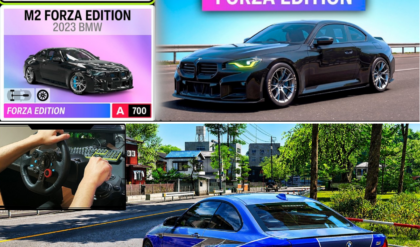
The Hunt for Excellence: How to Secure the BMW M2 Forza Edition in Forza Horizon 6
THE BMW M2 FORZA EDITION IS HERE—BUT HOW DO YOU ACTUALLY GET IT? 🏎️🔥 Everyone wants the BMW M2 Forza Edition. It’s the ultimate grip machine, and for a good reason—it’s currently one of the most exclusive cars in Forza…
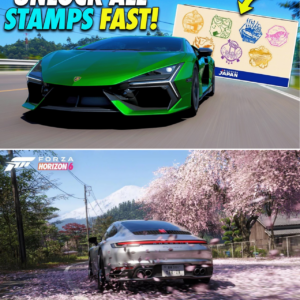
The Gold Standard: How to Rapidly Progress Through the “Discover Japan” Series
WANT THE GOLD STAMP? STOP GRINDING RACES AND DO THIS INSTEAD! 🏆🇯🇵 Are you still stuck on the “Pink” or “Orange” Stamp tier in Forza Horizon 6? You’re playing it wrong. The road to the Gold Stamp isn’t just about…
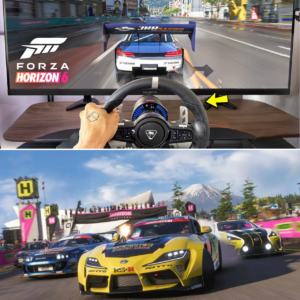
The Wheel Revolution: Why Forza Horizon 6 is Finally a Sim-Racer’s Playground
IS THE “WHEEL CURSE” FINALLY BROKEN IN FORZA HORIZON 6? 🏎️🎮 For years, Forza was a “controller-only” game. Using a wheel felt like fighting a losing battle against the physics engine—but everything changed with the launch of Forza Horizon 6….
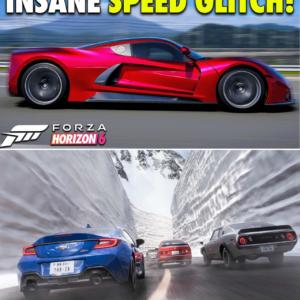
Speed Demon or System Cheat? The Forza Horizon 6 Leaderboard Controversy
IS THIS THE END OF FAIR PLAY? THE 100,000 KM/H SPEED GLITCH! 🛑🏎️ If you’ve checked the Forza Horizon 6 leaderboards recently, you’ve probably seen the impossible: players hitting speeds of over 100,000 km/h on simple speed traps. No, it’s…
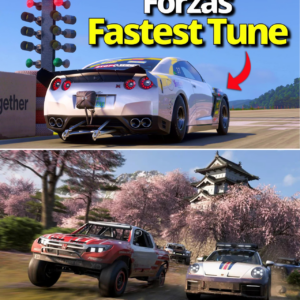
Beyond the Limit: Mastering Top Speed and Drag Tunes in Forza Horizon 6
IS YOUR CAR HITTING THE “SPEED WALL”? 🚀💨 Stop guessing your gear ratios and tire pressure! If you’re still losing drag races by a bumper or struggling to break 300 MPH on the highway, it’s not just your car—it’s your…
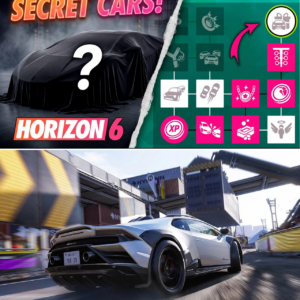
The Secret Garage: Unlocking Forza Horizon 6’s Hidden Mastery Exclusives
STOP SLEEPING ON YOUR CAR MASTERY TREES! 😱🚗 Did you know there are “secret” cars hidden inside Forza Horizon 6 that you can’t buy at the Auto Show? Most players are burning through Skill Points on boring credit boosts, completely…
End of content
No more pages to load